
How To
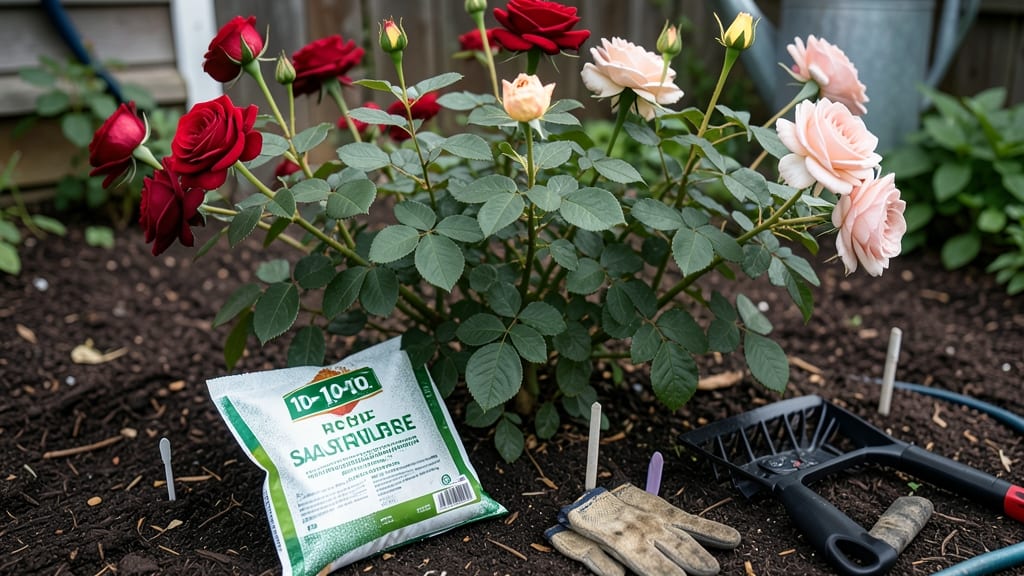
Fertilizing rose bushes at the right time makes all the difference between vibrant blooms and struggling shrubs 🌹 — and the window for feeding them is narrower than you think.
Picture this: you’ve pruned your roses, the new shoots are popping up, and you’re eager to give them a boost. But if you fertilize too early, you’ll end up with leafy monsters instead of flowers. Or if you wait too long, your bushes might miss their peak blooming season entirely.
Timing isn’t just about the calendar—it’s about reading your roses. In Zone 6a, early spring is the prime time to feed them, but summer and fall have their own rules.
I’ll walk you through the exact schedule, including when to skip fertilizing altogether to avoid common mistakes that stifle growth.
By the end, you’ll know not just when to fertilize, but how much, which types work best, and the telltale signs your roses are begging for adjustment. Let’s get those bushes thriving.
Best times of year to fertilize rose bushes for healthy growth
Timing is everything when it comes to fertilizing your rose bushes. Unlike annuals, roses need a strategic feeding schedule tied to their natural growth cycles. Fertilizing at the wrong time can lead to weak blooms, leggy stems, or even stress on the plant.
The key is understanding when your roses are actively growing and when they need nutrients most—early spring, mid-summer, and fall—each with its own purpose for root health and flower production.
Most gardeners make the mistake of fertilizing too late in the season or skipping critical feeding windows. For example, applying fertilizer in late summer can encourage tender new growth that won’t harden off before winter, leaving your roses vulnerable to frost damage.
Similarly, holding off until late spring means missing the prime opportunity to jumpstart root development when the soil warms. Let’s break down the optimal schedule to keep your roses thriving year-round.
🌹 PRO TIP: Always fertilize after a deep watering to prevent root burn. This is especially important for newly planted roses or those recovering from winter dormancy.
The early spring feeding is your rose bush’s wake-up call. When you see those first green shoots poking through the soil, it’s time to feed. This is when your roses are ramping up their energy reserves for the growing season.
Use a balanced fertilizer like 10-10-10 to promote both root development and cane growth. Think of it as giving your roses a vitamin shot to build a strong framework before the blooms even appear.
Mid-summer is your second critical window, but here’s where many gardeners go wrong. After your roses have put on their first big show of blooms, they need a phosphorus boost to encourage another round of flowers.
This is when a 5-10-5 fertilizer shines—it’s high in phosphorus, which is the nutrient responsible for flower production. Timing is key: wait until after the first flush of blooms has faded before applying. This prevents the plant from putting all its energy into leaves instead of flowers.
Fall is often overlooked, but it’s a crucial time to stop fertilizing. By late summer, your roses are preparing for dormancy. Feeding them in fall can trick them into producing tender new growth that won’t survive winter.
Instead, focus on cleaning up debris and adding a layer of mulch to protect the roots. If you’re using organic matter, now’s the time to work compost into the soil—it’ll break down over winter and feed your roses in spring.
In USDA Zones 7-10, where winters are milder, you might consider a light feeding in early winter (around January) to give your roses a head start. However, in colder zones (3-6), it’s best to wait until late winter or early spring when the soil temperature rises above 50°F.
Always check for dormant buds—if they’re still firm, your roses aren’t ready for fertilizer yet.
One common mistake is assuming that more fertilizer equals better blooms. Over-fertilizing can lead to excessive leaf growth at the expense of flowers, or even burn the roots if applied incorrectly. Always follow the package instructions and adjust based on your rose’s size.
For example, a dwarf rose needs far less fertilizer than a standard climber. When in doubt, it’s better to under-feed than overdo it.
Pay attention to your roses’ foliage color as a sign of whether they’re getting the right nutrients. Dark green leaves indicate healthy growth, while yellowing leaves can signal nitrogen deficiency or overwatering. If your roses look leggy with few blooms, they might need a
How to choose the right fertilizer for your rose bushes
Picking the perfect fertilizer for your rose bushes can feel overwhelming with so many organic vs. synthetic options. The right choice depends on your rose variety, growth stage, and whether you prefer slow-release or liquid fertilizers.
For example, hybrid teas need high phosphorus for blooms, while climbing roses benefit from balanced NPK ratios. Let’s break down the best choices to keep your roses thriving all season.
First, understand that NPK ratios (Nitrogen-Phosphorus-Potassium) are the foundation. A 5-10-5 ratio is ideal for roses—this means 5% nitrogen for leaf growth, 10% phosphorus for blooms, and 5% potassium for root health.
Organic options like compost or fish emulsion release nutrients slowly, while synthetic fertilizers like Miracle-Gro provide quick results. Your choice should align with your gardening goals and time commitment.
Organic Fertilizers for Roses
Pros
- Improves soil health long-term
- Reduces risk of chemical burns
- Slow-release nutrients feed roots steadily
Cons
- Results take longer to appear
- May require more frequent applications
- Higher cost per nutrient unit
Synthetic Fertilizers for Roses
Pros
- Fast-acting for quick blooms
- Precise NPK control
- Affordable and easy to find
Cons
- Risk of over-fertilization
- Can burn roots if overapplied
- No soil benefits beyond nutrients
For slow-release fertilizers, opt for granular options like Osmocote or Espoma Rose-Tone. These are perfect for spring feeding (when new shoots appear) and mid-summer blooms. Simply sprinkle around the base of the plant and water in.
On the other hand, liquid fertilizers like fish emulsion or seaweed extract are ideal for foliar feeding or weekly top-ups during peak growth. I love using liquid fertilizers every 2 weeks in summer to give my climbing roses that extra boost.
Your rose variety also dictates the best fertilizer. Floribunda roses thrive with a 6-10-6 ratio to encourage continuous blooms, while shrub roses do well with a 5-5-5 for balanced growth. Always check the label for application rates—overdoing it can lead to leaf burn or stunted blooms.
I once accidentally doubled the dose on my hybrid tea roses, and they wilted for a week! Stick to the recommended 1 tablespoon per plant for small bushes, adjusting for larger varieties.
Timing matters just as much as the type. Apply slow-release fertilizers in early spring (before buds swell) and again in mid-summer to support fall blooms. Avoid fertilizing in late summer or fall, as this encourages new growth that won’t harden off before winter.
For organic options, I swear by compost tea in spring and bone meal for phosphorus-rich blooms. Mix it into the top 2 inches of soil and water thoroughly to activate the nutrients.
If you’re unsure, start with a balanced organic fertilizer like Alfalfa meal or worm castings. These are gentle on roots and improve soil structure over time. For fast results, a synthetic liquid fertilizer every 4 weeks works wonders.
Just remember: less is more with roses. They reward patience with vibrant blooms and healthy foliage when cared for correctly.
Pro tip: Mix a slow-release granular with a liquid organic feed for the best of both worlds. This combo ensures steady root nourishment while giving your roses a quick growth boost during critical stages. Happy fertilizing—your roses will thank you with showstopping blooms all season! 🌹