
Fertilization
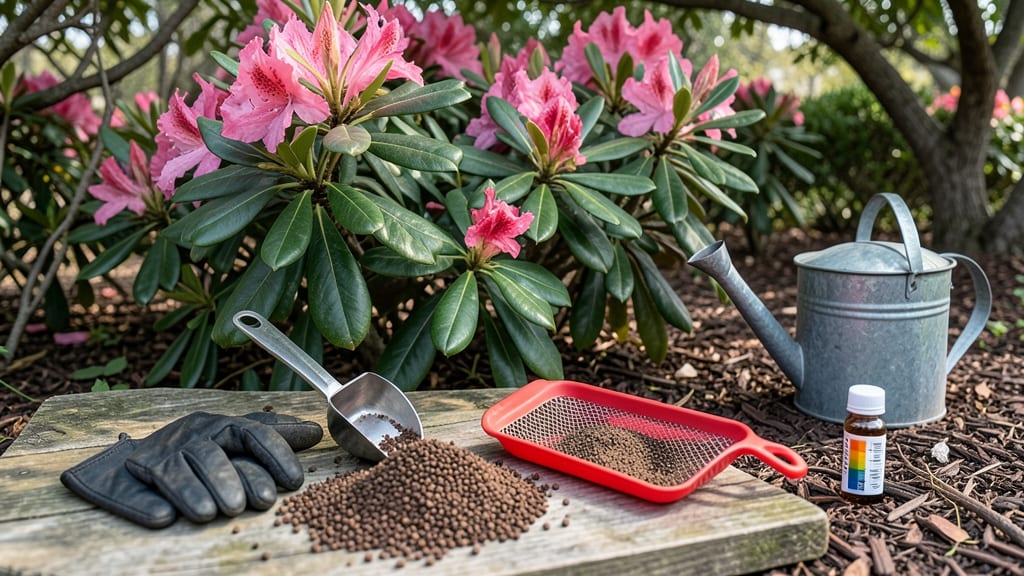
Fertilizing azalea bushes at the right times is the key to show-stopping blooms year after year — and missing the window can leave you with weak growth and sparse flowers.
Picture this: your 🌸 azalea bursts into color in spring, only to fade into dull green by summer. That’s not just bad luck—it’s a timing problem. Azaleas need two critical fertilization moments: early spring to fuel blooms and late summer to prep for next year’s growth.
In USDA Zone 6, that means feeding them in April (just as buds form) and again in September (to strengthen roots before winter). Too late, and you risk overfeeding; too early, and you waste nutrients. Here’s how to nail the schedule—and which fertilizers actually work for acid-loving shrubs.
You’ll learn the exact month-by-month plan, how to spot over-fertilization (yellow leaves are a red flag!), and whether organic or synthetic fertilizers give better results. Let’s get those azaleas thriving.
Best times to fertilize azaleas for peak bloom performance
Timing your azalea fertilization is like conducting an orchestra—get it wrong, and the performance falls flat. Azaleas thrive on a precise schedule that aligns with their natural growth cycles.
The key windows are early spring awakening and fall preparation, with a critical "no-go" zone in mid-summer that can stress your plants. Let's break down the science-backed calendar that transforms lackluster foliage into vibrant blooms year after year.
Most gardeners make one fatal mistake: fertilizing at the wrong time. Azaleas are acid-loving shrubs that need nutrients when they're actively growing, not when they're dormant or stressed. The three-season rule applies—spring, summer (skip), and fall—with regional adjustments for warm climates where growth extends later into autumn.
Understanding these patterns ensures your azaleas get the right fuel at the right moment, preventing nutrient burn or wasted resources.
Comparison Table: Azalea Fertilization Schedule by Season
| Season | Optimal Fertilization Time | Fertilizer Type | Application Notes | Climate Adjustments |
|---|---|---|---|---|
| Early Spring (March-April) | First feeding: Early April | Acid-loving 10-10-10 or 8-3-9 formula | Apply after pruning, before buds swell. Use 1 tbsp per plant. | Warm climates: Shift to February for earlier growth. |
| Late Spring (May) | Second feeding: Mid-May | Slow-release azalea-specific granules | Light application (½ tbsp) to avoid nutrient burn. | Cool climates: May 15th ideal for delayed growth. |
| Summer (June-August) | NO FERTILIZER (Critical) | None | Plants enter dormancy stress mode; fertilizing causes leaf scorch. | Exception: Southern US may feed early June if growing. |
| Fall (September-October) | Pre-winter prep: Late September | Organic compost tea or pine bark mulch | Light feeding (¼ tbsp) to strengthen roots before winter. | Northern climates: Early October for frost prep. |
| Winter (November-February) | Dormant period: None | None | Focus on mulching (3-4 inches) to insulate roots. | Mild winters: Light watering only; no fertilizer. |
Your early April feeding is the most critical—this is when azaleas wake from dormancy and need a nutrient boost to fuel bud development. Use a balanced acidic fertilizer (like 10-10-10) and apply it after pruning but before you see new growth.
Think of it as giving your azaleas a jumpstart for the blooming season ahead. Pro tip: Water thoroughly before and after applying fertilizer to prevent root burn.
Mid-summer is the absolute no-go for azalea fertilization. During June through August, azaleas experience heat stress, and any fertilizer—even organic—can cause leaf scorch or root damage. This is nature's way of telling you to chill out with the feeding.
Instead, focus on deep watering in the morning to keep roots cool and mulch to retain moisture. Your azaleas will thank you with healthier foliage next spring.
For fall fertilization, late September is your target window in most climates. This isn't about blooms—it's about root strengthening. A light application of organic matter (like compost tea or pine bark mulch) helps your azaleas store nutrients for winter dormancy.
In warmer climates (USDA Zones 8-10), you might extend this to early October, but always stop before the first frost. Think of this as winterizing your plants from the inside out.
Regional adjustments are key to azalea success. In cool climates (Zones 4-6), stick to the April and September schedule, but push spring feeding slightly later if frost is still a threat.
In warm climates (Zones 7-10), you might feed in February and June instead, as growth continues later into the year. Always check your last frost date and adjust accordingly—your azaleas will bloom better when you sync with their natural rhythm.
One common mistake gardeners make is over-fertilizing in spring. More isn't better—azaleas are sensitive to salt buildup from excess fertilizer. Stick to the 1 tbsp per plant guideline and always water thoroughly after application.
If you notice yellowing leaves or crispy edges, you've likely overdone it. In that case, flush the soil with water and hold off on feeding until the next scheduled time.
For container-grown azaleas, the rules are slightly different. Potted plants dry out faster and need more frequent—but lighter—feedings. Use a water-soluble fertilizer diluted to half-strength every 4-6 weeks from spring through early summer.
Always check the soil moisture first; if the top inch is dry, water before fertilizing. Container azaleas also benefit from
What type of fertilizer should you use for azaleas?
Azaleas thrive when fed with the right nutrients, but their acid-loving nature means not all fertilizers work. The key lies in choosing a formula designed for acid-loving plants like azaleas, rhododendrons, and camellias. These plants need a low pH environment (4.5-6.0) to absorb nutrients effectively.
Synthetic fertilizers with NPK ratios of 10-10-10 or 8-3-9 are popular, but organic options like composted pine needles or cottonseed meal can also deliver excellent results.
For vibrant blooms, focus on a balanced NPK ratio with slightly higher phosphorus (middle number) to encourage flower production. However, avoid high-nitrogen fertilizers, which promote leafy growth at the expense of blooms.
Always check the label for phrases like "acid-loving plant fertilizer" or "azalea-specific formula" to ensure compatibility. If you're unsure, a simple soil pH test (available at garden centers) will confirm whether your azaleas need a boost.
✅ Pros of Organic Fertilizers
- Improves soil health over time
- Slow-release nutrients reduce burn risk
- Enhances microbial activity in soil
- Eco-friendly and sustainable
❌ Cons of Organic Fertilizers
- Slower results compared to synthetic
- Requires more frequent applications
- Can attract pests if not fully decomposed
✅ Pros of Synthetic Fertilizers
- Fast-acting nutrients for quick growth
- Precise NPK ratios for targeted needs
- Long shelf life and easy storage
❌ Cons of Synthetic Fertilizers
- Can burn plants if overapplied
- No soil health benefits long-term
- Environmental concerns with runoff
If you prefer a DIY approach, try making a compost tea using well-aged compost or leaf mold. Steep a handful of compost in a bucket of water for 24-48 hours, then strain and apply to the soil.
This method not only feeds your azaleas but also introduces beneficial microbes. For a quicker fix, mix 1 tablespoon of cottonseed meal into the top inch of soil around the base of the plant. Cottonseed meal is a slow-release organic nitrogen source that also helps lower soil pH.
Timing matters just as much as the type of fertilizer. Apply nutrients in early spring (March) as new growth begins and again in late spring (May) after blooming. Avoid fertilizing in summer or fall, as this can encourage tender new growth that won’t survive winter.
Always water your azaleas thoroughly after applying fertilizer to help nutrients penetrate the soil and prevent root burn.
For container-grown azaleas, use a water-soluble fertilizer diluted to half-strength every 4-6 weeks during the growing season. Potted plants dry out faster and are more susceptible to fertilizer burn, so always follow the manufacturer’s instructions carefully.
If you notice yellowing leaves or stunted growth, flush the soil with water to remove excess salts before reapplying fertilizer.
Remember, azaleas are light feeders—more isn’t always better. Over-fertilizing can lead to salt buildup in the soil, which harms roots and reduces blooms. Stick to the recommended amounts and monitor your plants closely.
With the right fertilizer and timing, your azaleas will reward you with vibrant blooms year after year.