
Fertilization
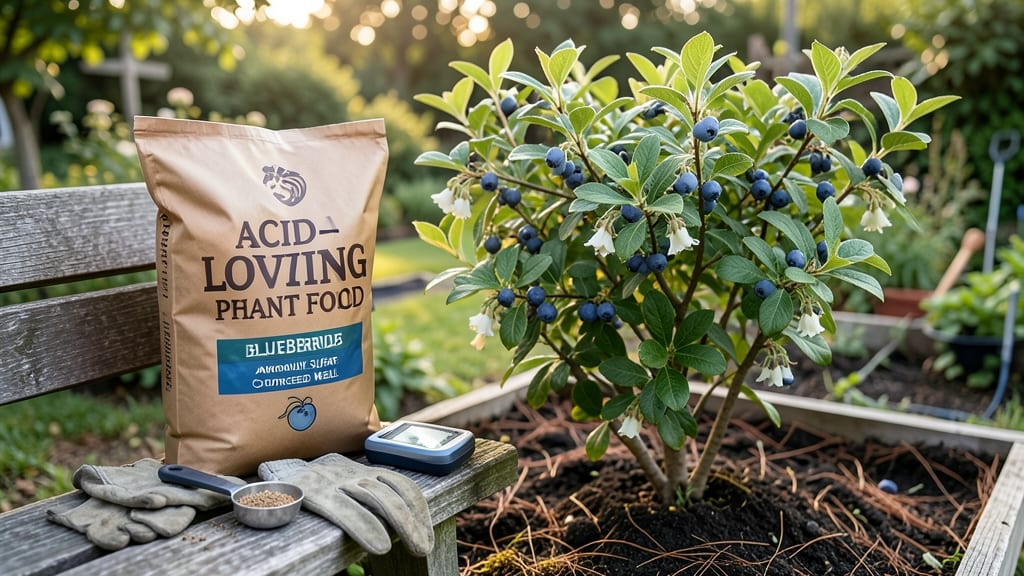
Fertilizing blueberry bushes at the right times is the key to sweet, abundant harvests—and missing those windows can leave you with small, tart berries instead.
Picture this: you’ve waited all winter for those first 🫐 to ripen, only to taste a handful that’s more sour than satisfying. That’s often a sign your bushes weren’t fed when they needed it most.
The secret? Timing everything from early spring to post-harvest for acid-loving growth—and knowing when to hold back.
Most gardeners focus on planting and pruning, but the best fertilization schedule starts before buds even break. Whether you’re working with young plants or established shrubs in USDA Zone 6, the right approach makes all the difference.
Below, I’ll walk you through the exact months to feed your bushes, how to spot nutrient deficiencies (and over-fertilization), and whether organic or synthetic fertilizers work best for long-term health.
Best fertilization schedule for blueberry bushes by season
Blueberry bushes need precise fertilization timing to produce sweet, abundant harvests. Unlike many plants, they thrive in acidic soil (pH 4.5–5.5) and require careful feeding to avoid nutrient burn. The key is feeding when they're actively growing—not during dormancy.
For new plantings, the first year focuses on establishing roots, while established bushes need regular feeding to maintain productivity.
Timing matters more than quantity. Fertilizing at the wrong season can stress your bushes or even kill them. For example, applying nitrogen-heavy fertilizers in late summer can spur tender new growth that won't survive frost.
Instead, we focus on feeding during early spring and late summer—the two critical windows for blueberry nutrition.
Here’s a quick seasonal breakdown to keep your bushes thriving:
| Season | New Plantings (Year 1) | Established Bushes (Years 2+) | Best Fertilizer Type | Key Tips |
|---|---|---|---|---|
| Early Spring (March–April) | Light feed (½ cup compost or 1 tbsp ammonium sulfate) | Full feed (1–2 tbsp 10-10-10 or cottonseed meal) | Organic (cottonseed meal) or synthetic (ammonium sulfate) | Apply when buds swell but before leaves emerge. |
| Late Spring (May–June) | None (focus on root growth) | Light feed (½ cup compost or 1 tbsp fertilizer) | Balanced NPK (12-4-8) or compost | Avoid high-nitrogen fertilizers after flowering. |
| Summer (July–August) | None (plant is dormant) | Light feed after harvest (1 cup acidic compost) | Organic (peat moss or pine needles) | Skip if drought stress is visible. |
| Fall (September–October) | Add 1–2 inches mulch (no fertilizer) | None (prep for dormancy) | Compost or pine straw | Test soil pH in fall; amend if needed. |
| Winter (November–February) | None (dormant period) | None (plant is dormant) | N/A | Prune in late winter; avoid fertilizing. |
For new plantings, the first year is all about root establishment. We recommend a light feed in early spring (½ cup compost or 1 tbsp ammonium sulfate) to encourage growth without overwhelming the young roots.
Over-fertilizing can lead to nutrient burn, where leaves turn brown and crispy at the edges—a common mistake among beginners.
Established bushes, on the other hand, need more frequent feeding. A full feed in early spring (1–2 tbsp of a balanced 10-10-10 fertilizer or cottonseed meal) gives them the nitrogen they crave for leaf and fruit production.
After harvest, a light feed in late summer (1 cup acidic compost) replenishes nutrients lost during fruiting. This two-step approach ensures your bushes have energy for next year’s harvest.
Organic fertilizers like cottonseed meal or ammonium sulfate are excellent for blueberries because they acidify the soil while providing nitrogen. Synthetic options like 12-4-8 NPK fertilizers work well too, but always follow the label instructions to avoid overdoing it.
Pro tip: Mix a handful of pine needles or peat moss into the soil annually to maintain that critical acidic pH.
One of the biggest mistakes we see is fertilizing in summer or fall. Blueberries go dormant in late summer, and feeding them then can spur weak growth that won’t survive winter.
Instead, focus on mulching with pine straw or leaves to protect roots and retain moisture. This also slowly releases nutrients as it breaks down, feeding your bushes naturally.
If you’re growing blueberries in containers, the rules are slightly different. Container soil dries out faster and loses nutrients quicker, so we recommend fertilizing every 4–6 weeks during the growing season with a water-soluble acid-loving fertilizer.
Always water thoroughly after feeding to prevent root burn, and use a well-draining potting mix with added peat moss or sulfur to maintain acidity.
Finally, keep an eye on your bushes for signs of nutrient deficiency or over-fertilization. Yellow leaves can mean nitrogen deficiency, while brown, crispy edges signal too much salt from fertilizers.
Adjust your schedule based on what you observe—blueberries are forgiving if you pay attention to their needs and respond quickly to their signals.
With this seasonal schedule, your blueberry bushes will reward you with juicy, sweet berries for years to come. Happy gardening! 🫐
Signs your blueberry bushes need fertilizer (and when to avoid it)
Blueberry bushes send clear visual cues when they're hungry for nutrients. Look for yellowing leaves on new growth—a classic sign of nitrogen deficiency. These leaves often appear pale green or yellowish, especially on younger foliage near the tips of branches.
This is your plant's way of saying, "I need more food to grow!" 🌿
Another red flag is stunted growth or small, sparse berries. If your bushes are producing fewer berries than expected or the fruit stays tiny, it’s time to assess your fertilization routine.
Even mature bushes need regular feeding to maintain their acid-loving soil and nutrient balance. Don’t ignore these signals—they directly impact next year’s harvest! 🫐
⚖️ When to Fertilize Blueberry Bushes
- Early spring (before buds break)
- After harvest (light feed)
- New plantings (first year)
- Acid-loving amendments (peat moss, pine needles)
- Summer heat (stresses roots)
- Drought conditions (burns plants)
- Late fall/winter (dormant season)
- Over-fertilizing (salty soil buildup)
💡 Pro Tip: Always water thoroughly after fertilizing to prevent root burn.
Over-fertilizing is just as harmful as under-fertilizing. Watch for brown leaf tips or crispy edges—this is a classic sign of fertilizer burn. If you notice this, flush the soil with water to dilute excess salts.
Another warning sign is excessive leaf growth with few berries. Your bush might be putting all its energy into foliage instead of fruit production, which happens when nitrogen levels are too high. 🌱
For newly planted bushes, focus on establishing roots before heavy feeding. In the first year, a light application of compost in early spring is usually enough.
Avoid synthetic fertilizers during the first season—they can shock tender roots. Instead, use organic matter like composted leaves or well-rotted manure to build soil structure gradually. ✂️
If your bushes show signs of nutrient deficiency, act quickly but carefully. Start with a balanced fertilizer (like 10-10-10) in early spring, then follow up with an acid-loving amendment like cottonseed meal or ammonium sulfate.
Always test your soil’s pH first—blueberries thrive in acidic soil (pH 4.5–5.5). If your soil is too alkaline, no amount of fertilizer will help! 🌡️
Remember, timing is everything with blueberries. Fertilize too early, and you risk encouraging late-season growth that won’t harden off before winter. Fertilize too late, and your bush won’t have enough time to produce next year’s buds.
The key is early spring feeding (just as buds swell) and a light touch after harvest to set up the next season’s growth. 📅