
Shrubs
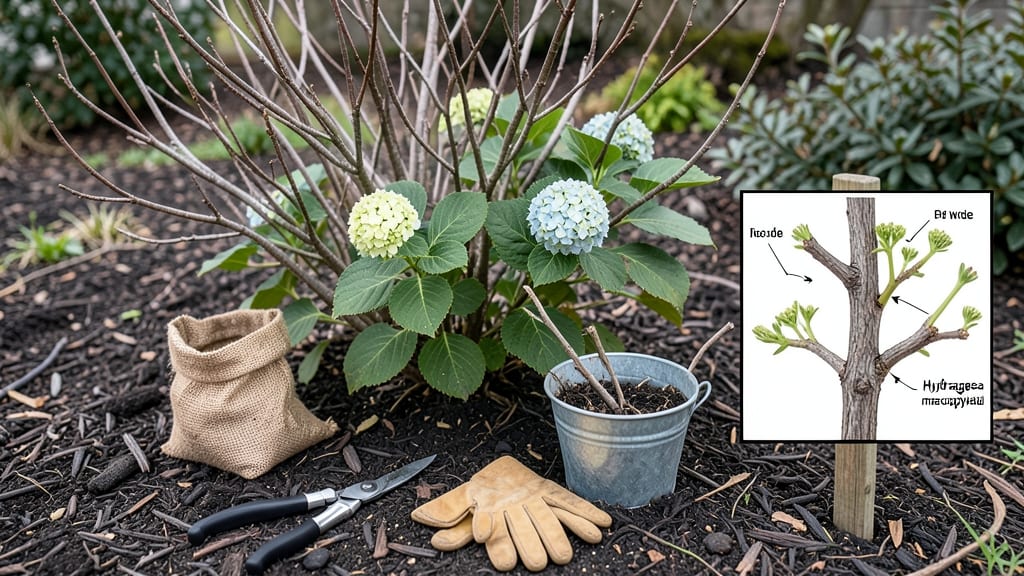
Cutting down hydrangea bushes at the wrong time can mean fewer blooms next year—or even killing your plant.
Timing is everything when it comes to pruning these popular shrubs, and getting it right ensures lush, vibrant flowers for seasons to come.
I’ve seen overzealous gardeners hack back their hydrangeas in late summer, only to wake up the next spring to a sad, leafless bush with no buds in sight.
Most hydrangeas bloom on new wood, meaning they set buds on fresh growth from the current season. That’s why the best time to cut them back is late winter or early spring, just as new shoots begin to emerge.
But here’s the catch: some varieties, like oakleaf or panicle hydrangeas, bloom on old wood, so pruning too early can rob you of next year’s show.
In this guide, I’ll walk you through the exact timing for each type, the tools you’ll need, and the three common mistakes that turn pruning day into a disaster. By the end, you’ll know exactly when to reach for those shears—and when to hold off.
Best time of year to prune hydrangeas by type (old vs new wood)
Understanding when to prune your hydrangeas depends entirely on whether your variety blooms on old wood or new wood. Cutting at the wrong time can eliminate next year's flowers or stress your plant.
Let's break down the best pruning windows for each type to ensure maximum blooms and plant health.
Hydrangeas that bloom on old wood (like mophead and oakleaf varieties) form flower buds in the previous growing season. Pruning these too late can mean no blooms for a full year.
On the other hand, new wood bloomers (such as panicle and smooth hydrangeas) produce flowers on current season's growth, giving you more flexibility with timing.
Here's the key difference: Old wood bloomers need pruning right after flowering (late summer to early fall), while new wood bloomers can be pruned in late winter or early spring. Getting this right ensures your hydrangeas thrive and reward you with vibrant blooms for years to come.
🌿
For mophead hydrangeas, my favorite variety for lush blooms, I always wait until September or October to prune. This timing ensures the flower buds formed last summer remain intact. I remove only dead or weak stems, cutting just above a leaf node or outward-facing bud.
If you're unsure which type you have, check your hydrangea's flowering pattern. Old wood bloomers produce flowers on last year's growth, while new wood bloomers grow flowers on current season's stems.
For example, my panicle hydrangeas bloom in late summer on new growth, so I prune them aggressively in February or March before new shoots emerge.
Regional climate also plays a role. In warmer zones (8-10), I might prune old wood hydrangeas slightly earlier in August to avoid late-season heat stress. Conversely, in colder zones (3-6), I delay pruning until late spring when frost risk has passed.
One common mistake I see is pruning old wood hydrangeas in late winter. This removes the flower buds that formed the previous summer, leaving you with no blooms for the entire season. Always wait until after your hydrangeas have finished flowering to prune these varieties.
For new wood bloomers like panicle hydrangeas, the late winter pruning window is ideal because it removes last year's growth and encourages vigorous new shoots.
I typically cut back these hydrangeas by one-third to one-half of their height, focusing on shaping the plant while maintaining an open center for airflow.
🌸
Pro tip: If you're unsure about your hydrangea's type, look at where the flowers grow. Old wood bloomers have flowers on last year's stems, while new wood bloomers produce flowers on current season's growth. For example, my oakleaf hydrangea
Step-by-step pruning guide: how to cut hydrangeas properly
Pruning hydrangeas might seem intimidating, but with the right tools and techniques, you can keep your shrubs healthy and blooming beautifully. The key is understanding where to cut and how much to remove—especially since different hydrangea types respond differently to pruning.
Whether you're dealing with mophead, panicle, or oakleaf varieties, clean cuts promote stronger growth and more vibrant flowers next season.
Before you grab your pruning shears, make sure you’ve identified your hydrangea type. Old-wood bloomers (like mophead and bigleaf) produce flowers on last year’s growth, while new-wood bloomers (like panicle and smooth) flower on current season’s stems.
Cutting at the wrong time for the wrong type can mean fewer blooms—or no blooms at all. Let’s walk through the exact steps to prune safely and effectively.
Step-by-Step Pruning Guide for Hydrangeas
- Step 1: Gather your tools—clean, sharp pruning shears or loppers for thicker stems, along with gloves and sanitizer to prevent disease spread.
- Step 2: Remove dead or diseased wood first. Look for brown, mushy, or hollow stems and cut them back to healthy growth.
- Step 3: Shape the shrub by trimming overcrowded or crossing branches. Aim for an open center to improve airflow and light penetration.
-
Step 4: Prune based on your hydrangea type:
- Old-wood bloomers: Cut back only dead or weak stems—never more than 1/3 of the plant—after blooming season.
- New-wood bloomers: Prune in late winter or early spring by cutting stems back to 2-3 buds from the base.
- Step 5: Clean up by removing all clippings and sanitizing your tools with rubbing alcohol to prevent the spread of pests or diseases.
- Step 6: Fertilize lightly after pruning to encourage new growth. Use a balanced fertilizer (10-10-10) and water deeply.
One of the most common mistakes is pruning too late in the season, which can leave your hydrangea vulnerable to winter damage. For old-wood bloomers, avoid cutting back until after they’ve finished flowering—usually in late summer or early fall.
For new-wood bloomers, prune in late winter or early spring before new growth begins. Always make cuts at a 45-degree angle just above a bud or leaf node to encourage healthy regrowth.
Another critical tip is to never remove more than 1/3 of the plant in a single pruning session. Over-pruning can stress your hydrangea and reduce next year’s blooms. If your shrub looks overgrown or leggy, spread the pruning over 2-3 years to give it time to recover.
And remember, sharp tools matter—dull shears can tear stems, making them more susceptible to disease.
After pruning, keep an eye on your hydrangea for signs of new growth or stress. If you notice yellowing leaves or wilting, it might be a sign of over-pruning or underwatering.
Mulch around the base of the plant to retain moisture and regulate soil temperature, and water deeply once a week during the growing season. With the right care, your hydrangea will reward you with bigger, brighter blooms next year.