
Blooming
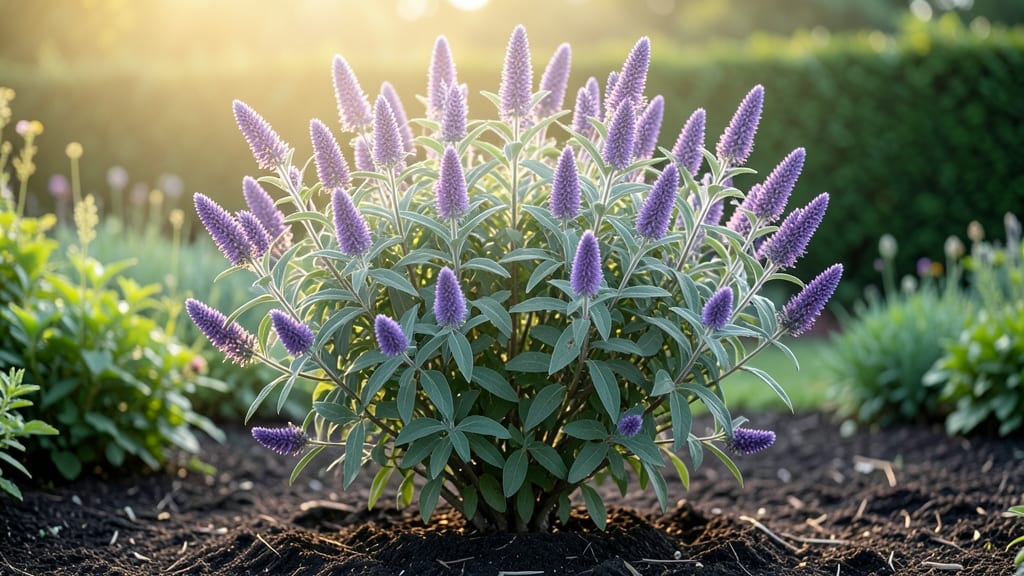
Your butterfly bush blooming season depends entirely on where you live — and getting it right means months of vibrant color instead of a missed opportunity.
If you’ve ever watched a butterfly bush 🦋 explode into vibrant blooms and wondered, “When will mine look like this?”, timing is everything—and it depends entirely on your US hardiness zone.
In Zone 6a, for example, the show starts in early July, but a few zones south, it kicks off as early as June.
Sunlight, soil, and pruning all play a role, too. Too much shade? Your blooms will fade fast. Skip the spring pruning? You might lose weeks of peak color. The good news? With the right care, you can stretch that blooming window from summer into early fall.
Below, I break down the exact months for your zone, plus the 3 simple tricks to keep your butterfly bush in full swing long after most gardens have gone quiet.
Butterfly bush blooming season by US hardiness zone (exact months)
Timing your butterfly bush (Buddleia) blooms is easier than you think—once you know your US hardiness zone. These pollinator magnets thrive in Zones 3-10, but their peak bloom periods shift dramatically from northern climates to southern regions.
In cooler zones like Zone 3-5, expect late June to August bursts of color, while Zone 7-10 gardeners enjoy blooms as early as May through October. Understanding these patterns helps you choose varieties that align with your local growing season.
Southern gardeners in Zones 8-10 often get a head start, with some varieties blooming in April or May—perfect for extending your garden's pollinator season. Meanwhile, northern growers in Zones 3-5 should plan for late June or July starts, as cooler springs delay growth.
The key to maximizing blooms? Pruning at the right time and selecting varieties suited to your climate. Let’s break down the exact months for each zone, including regional variations that can shift blooming by 2-4 weeks.
🌱
| US Hardiness Zone | Peak Bloom Period | Early Varieties | Late Varieties | Regional Notes |
|---|---|---|---|---|
| Zones 3-4 | Late June - August | 'Blue Chip' (July) | 'Pink Delight' (August) | Cooler springs delay blooms; prune after frost. |
| Zones 5-6 | June - September | 'Lo & Behold' (June) | 'Miss Ruby' (September) | Northern states (e.g., Michigan) bloom 2 weeks later than southern states (e.g., Virginia). |
| Zones 7-8 | May - October | 'Fast Track' (May) | 'Black Knight' (October) | Humid climates (e.g., Florida) may see mildew; choose disease-resistant varieties. |
| Zones 9-10 | April - November | 'Royal Violet' (April) | 'Honeycomb' (November) | Southern California blooms earliest; desert zones (e.g., Arizona) may need extra water. |
In Zones 3-4, butterfly bushes like 'Blue Chip' and 'Pink Delight' wait until late June or July to burst into color, thanks to cooler springs. These varieties thrive in full sun and well-draining soil, but they need protection from late frosts.
If you’re in Minnesota or upstate New York, expect blooms to peak in August, aligning with the height of summer pollinator activity. Prune these bushes in early spring to encourage fresh growth and earlier blooms.
Gardeners in Zones 5-6 enjoy a longer bloom window, typically from June through September. Varieties like 'Lo & Behold' (a dwarf option) start as early as June, while 'Miss Ruby' extends the show into early fall.
In Virginia or Ohio, you’ll notice a 2-week difference in bloom times between northern and southern parts of the state—cooler microclimates delay flowering. To maximize blooms, deadhead spent flowers regularly and fertilize with a balanced 10-10-10 mix in early spring.
For Zones 7-10, the bloom season stretches from May to October, with some varieties like 'Fast Track' kicking off as early as April in southern states. In Georgia or North Carolina, you can plant 'Black Knight' for late-season color through October.
Humid climates may require disease-resistant varieties to prevent powdery mildew. If you’re in Florida or Texas, consider 'Royal Violet' for its heat tolerance and early blooms. Mulch around the base to retain moisture and protect roots during summer heat.
In the warmest zones (9-10), butterfly bushes can bloom nearly year-round under ideal conditions. 'Honeycomb' varieties often extend color into November, while 'Royal Violet' may start as early as April.
Desert gardeners in Arizona or Nevada should water deeply 2-3 times per week during peak summer heat to prevent stress. Choose drought-tolerant varieties like 'Fast Track' if you’re in a low-water zone. Prune lightly in late winter to shape the bush without cutting back new growth.
Regional variations play a huge role in bloom timing. For example, Southern California
How to extend your butterfly bush blooming season naturally
Your butterfly bush doesn’t have to rely on just one burst of color—with the right care, you can stretch those vibrant blooms for weeks longer. The key lies in understanding how to prune correctly, feed strategically, and maintain ideal growing conditions.
Unlike annuals, butterfly bushes (Buddleia spp.) are perennial shrubs that reward patience with repeat performances when given the right signals.
Most gardeners assume late summer marks the end of blooming season, but with deadheading and proper soil nutrition, many varieties will reward you with second flushes of flowers. Even dwarf varieties like 'Lo and Behold Red' can extend their show by 4-6 weeks with minimal effort.
The secret? Mimicking nature’s cues—removing spent blooms, feeding at the right times, and keeping roots happy without overwatering.
- 1 Deadhead daily during peak bloom (June-August) to prevent seed formation. Use clean pruners and snip stems 1 inch above the next set of leaves. This redirects energy to new buds instead of seed production.
- 2 Fertilize twice annually: once in early spring (March-April) with balanced 10-10-10 fertilizer to kickstart growth, and again in mid-summer (July) with a low-phosphorus feed (5-10-5) to encourage late-season blooms.
- 3 Prune lightly in late winter (February) to remove dead or weak wood, then do a second prune in June after the first flush of blooms. Cut back 1/3 of old stems to stimulate new growth—this is when second blooms typically appear.
- 4 Amend soil with compost or aged manure in spring to improve drainage and nutrient availability. Butterfly bushes hate soggy roots—ensure your planting site has well-draining soil with a slightly alkaline pH (6.5-7.5).
- 5 Water deeply but infrequently—aim for 1-1.5 inches per week during dry spells. Morning watering prevents fungal diseases, and mulch around the base (2-3 inches) to retain moisture and regulate soil temperature.
One of the most common mistakes I see is over-pruning in autumn, which removes next year’s flower buds. Butterfly bushes set buds on new wood, so aggressive cuts after August 15th can shorten next season’s blooms.
Instead, focus on light shaping prunes in late winter and deadheading during the growing season to keep flowers coming.
For second blooms, choose reblooming varieties like 'Lo and Behold' or 'Miss Ruby'. These are bred to produce flowers on both old and new wood, giving you two chances at color.
Pair this with regular deadheading and you’ll see flowers well into October in many climates. Even standard varieties can rebloom if given the right care—just be patient and consistent.
Don’t forget that butterflies love fresh blooms, so the longer your bush stays in flower, the more pollinators you’ll attract. A well-cared-for butterfly bush can become the star of your pollinator garden, drawing hummingbirds, bees, and butterflies for months.
With these simple adjustments, you’ll turn a single-season spectacle into a season-long showstopper. 🦋