
Blooming
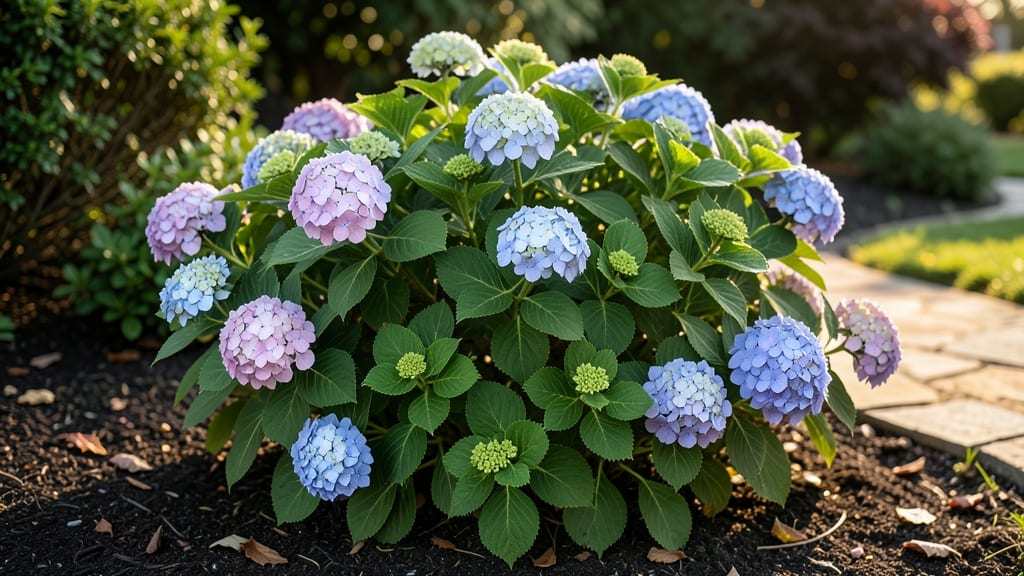
Hydrangea bushes bloom in late spring to summer 🌸, but the exact timing depends on your variety and climate zone—something that can make all the difference between a showstopper garden and a season of disappointment.
Picture this: You’ve been waiting months for those vibrant blooms to appear, only to realize your oakleaf hydrangea peaked in June while your mophead variety is just getting started.
That’s why understanding bloom cycles—from Zone 6a’s cooler springs to the extended summers of Zone 9—is the key to planning your garden like a pro.
In this guide, we’ll break down when each popular type (bigleaf, panicle, oakleaf, and smooth) typically flowers, how climate shifts their schedule, and the pruning and care tricks that can push blooms earlier—or delay them if you’re not careful.
Whether you’re dreaming of June’s lush clusters or dreading a late frost cutting your season short, you’ll leave here with a clear timeline, zone-specific tips, and the confidence to turn your hydrangeas into the garden’s star attraction.
Hydrangea bloom times by variety: late spring to summer flowering guide
Hydrangeas are the stars of summer gardens, but their bloom timing varies wildly by variety and climate. Bigleaf hydrangeas (like Endless Summer) often burst into color in late spring to early summer, while panicle types (such as Limelight) shine in mid-to-late summer.
Understanding these differences helps you plan for peak color and pruning schedules—because timing is everything for those showstopping blooms!
Climate plays a huge role too. In warmer zones (7–10), hydrangeas may bloom earlier, while cooler zones (3–6) often see delayed blooms due to late frosts. Oakleaf hydrangeas, for example, might wait until June or July in northern gardens but appear as early as May in the South.
Knowing your USDA zone and microclimate lets you adjust care for the best results.
Here’s the key: Pruning at the wrong time can rob you of next year’s flowers. Bigleaf hydrangeas bloom on old wood, so prune after flowering, while panicle types bloom on new wood and can be pruned in late winter or early spring.
Let’s break it down by variety so you never miss a bloom!
| Variety | Bloom Time | Flower Type | Prune Time | Zone Range |
|---|---|---|---|---|
| Bigleaf (e.g., Endless Summer) | Late May–July | Old wood | After flowering (late summer) | 4–9 |
| Panicle (e.g., Limelight) | July–September | New wood | Late winter/early spring | 3–8 |
| Oakleaf (e.g., Oakleaf Hydrangea) | June–August | Old wood | After flowering (late summer) | 4–9 |
| Smooth (e.g., Annabelle) | June–August | New wood | Late winter/early spring | 3–8 |
Bigleaf hydrangeas, like the popular Endless Summer variety, are late spring to early summer bloomers. They form buds on old wood (last year’s growth), so pruning in fall or winter risks cutting off next year’s flowers.
Instead, wait until late summer or early fall to trim back dead or overgrown stems. This variety thrives in partial shade and moist, well-draining soil, making it a favorite for shady garden spots.
Panicle hydrangeas, such as Limelight or Little Lime, are the summer-to-fall showstoppers. Their cone-shaped blooms appear in July and August, often lasting well into September.
Because they bloom on new wood, you can prune them in late winter or early spring to shape the plant and encourage vigorous new growth. These varieties are more sun-tolerant than bigleaf types, making them ideal for sunnier garden beds.
Oakleaf hydrangeas add seasonal interest with their fall foliage and unique flower shapes. They bloom in mid-to-late summer, but their real magic happens in autumn, when leaves turn red, orange, or purple.
Like bigleaf types, they bloom on old wood, so prune after flowering. These hydrangeas are drought-tolerant once established, making them low-maintenance stars for xeriscapes.
Smooth hydrangeas, including the classic Annabelle, are summer bloomers with large, round flower heads. They thrive in full sun to partial shade and bloom on new wood, so prune in late winter or early spring.
These varieties are heat-tolerant and disease-resistant, making them perfect for hotter climates like USDA zones 7–10. Their blooms
How climate zones affect hydrangea blooming: a gardener’s Zone-by-Zone checklist
Your hydrangea blooming schedule isn’t set in stone—it’s heavily influenced by your USDA hardiness zone. In Zone 5, for example, late frosts can delay blooms until June or July, while Zone 9 gardeners often enjoy flowers as early as April.
Understanding these differences helps you time pruning and protect tender buds from unexpected cold snaps.
Each zone shifts bloom windows by 4–8 weeks, so knowing your local climate is key. For instance, mophead hydrangeas in Zone 7 may bloom in late May, while the same variety in Zone 3 might wait until mid-July.
Microclimates—like south-facing walls or sheltered spots—can also advance bloom times by weeks.
- Zone 3–4: Blooms late June–July; protect buds with burlap wraps if frost threatens.
- Zone 5–6: Blooms May–June; prune after last frost (typically mid-May).
- Zone 7–8: Blooms April–May; ideal for early-season color—plant near patios!
- Zone 9–10: Blooms March–April; watch for heat stress—mulch heavily in summer.
🌱 Pro Tip: Use a frost clock to track local freeze dates and adjust pruning timing.
Late frosts are the biggest bloom-killer for early varieties like panicle hydrangeas. In Zone 6, a May frost can wipe out buds set in April. To mitigate this, choose late-blooming varieties (e.g., 'Endless Summer') or plant near heat-retaining walls to create a warmer microclimate.
In southern zones (9–10), the challenge shifts to heat stress. Hydrangeas may bolt flowers early or produce smaller blooms if summer temperatures exceed 90°F. Dappled shade and consistent moisture are your best allies here—aim for 1–1.5 inches of water weekly during peak heat.
For container-grown hydrangeas, zone adjustments matter even more. Potted plants in Zone 4 may bloom 3–4 weeks later than in-ground counterparts due to cooler root zones. Move containers to protected spots at night and use heat mats in early spring to jumpstart growth.
Plan your garden around these zone-specific bloom windows, and you’ll enjoy longer flowering seasons with fewer surprises. Start by noting your last frost date, then match it to the bloom timing for your hydrangea type—your summer garden will thank you! 🌿