
Pruning
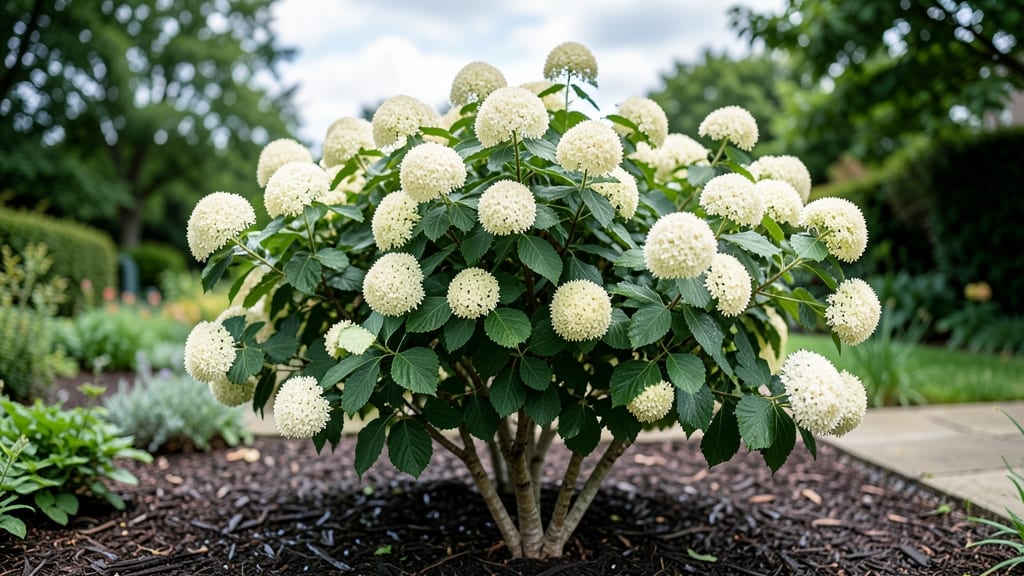
When you're looking for what is a snowball bush called, you're typically referring to plants in the Viburnum genus—most notably Viburnum opulus (European cranberrybush)—famous for their iconic round, snowball-like flower clusters. Other varieties like Viburnum bodnantense (Winter Snowball) also earn this nickname for their striking blooms.
What is a snowball bush called gets its name from the way its flowers grow in tight, spherical clusters that resemble snowballs. 🌸 The most well-known species, Viburnum opulus, is also called the European cranberrybush because of its bright red berries that appear later in the season. These plants are popular in landscaping because they offer both beauty and practical benefits, like attracting pollinators and providing food for birds. The term "snowball bush" is actually a common name that applies to several species within the Viburnum family, each with its own unique characteristics and bloom times.
If you're trying to identify one in your garden, look for the distinctive round flower heads that appear in late spring or early summer. The leaves are typically oval-shaped with serrated edges, and the berries can range from red to black, depending on the variety.
This makes them easy to spot compared to other ornamental shrubs.
💡 In This Article
- Botanical Names of Snowball Bush Varieties
- How to Identify Snowball Bushes in Gardens
Botanical names of snowball bush varieties
The term "snowball bush" actually refers to several species within the Viburnum genus, a diverse group of shrubs and small trees native to temperate regions worldwide. The most iconic variety, Viburnum opulus, earned its common name from its striking 4-inch-wide flower clusters that resemble puffy snowballs.
This species is also called the European cranberrybush due to its bright red berries, which ripen in late summer and provide food for wildlife.
Beyond Viburnum opulus, other notable species share the snowball nickname. Viburnum bodnantense (Winter Snowball) blooms in late winter with fragrant, creamy-white flowers, making it a standout for early-season color.
Meanwhile, Viburnum plicatum (Japanese Snowball Bush) features layered branches that create a tiered effect, with flowers that appear in early summer. These variations highlight how the "snowball" descriptor applies to different growth patterns and bloom times.
Hybrids like Viburnum × rhytidophyllum (Leatherleaf Viburnum) combine traits from multiple species, often producing larger flowers and more robust growth.
Regional names add complexity—what's called "Snowball Viburnum" in North America might be "Guelder Rose" in Europe, where Viburnum opulus has been used for centuries in traditional medicine and jellies made from its berries. 🌿 This linguistic diversity reflects how plants adapt to local climates and cultural practices.
What most gardeners don't realize is that these species vary dramatically in hardiness. Viburnum opulus thrives in USDA zones 2-7, while Viburnum bodnantense prefers zones 5-8 due to its winter-blooming nature.
This difference explains why some "snowball bushes" may struggle in colder climates where others flourish. Understanding these botanical distinctions helps you choose the right variety for your landscape.
Consider these key factors when selecting a snowball bush:
- Bloom timing: Spring bloomers like Viburnum opulus offer seasonal color, while winter varieties like Viburnum bodnantense provide year-round interest
- Size potential: Viburnum plicatum can reach 10-15 feet tall, while Viburnum opulus typically stays under 10 feet
- Berry production: Only Viburnum opulus and some hybrids yield edible (or wildlife-friendly) berries
The scientific name Viburnum comes from the Latin word for "wayfarer's tree," referencing how these plants were historically used along travel routes. This linguistic connection underscores their historical importance beyond just ornamental value. 🌸