
Pests
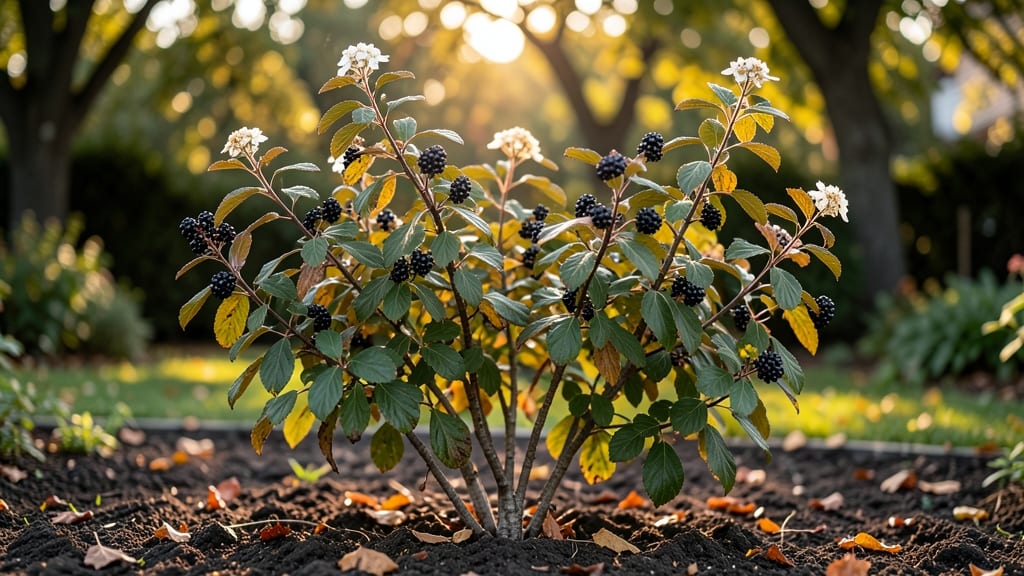
Those tiny small black berries on a bush might be a wild blackberry, elderberry, or—worst case—an invasive bittersweet choking out your garden. 🌿 I’ve spent years wrestling with these sneaky plants, and I’ll help you tell friend from foe before they take over.
First, check the leaves: smooth-edged and serrated? Likely elderberry (edible but spreads aggressively). Spiky stems and thorns? Blackberry (edible but invasive). Glossy, heart-shaped leaves with no thorns? Bittersweet (toxic and a garden menace). Snap a photo and compare—your answer’s in the details.
The fix depends on the plant. For bittersweet, dig up roots completely (even the tiniest fragment regrows). For blackberries, prune canes to the ground in late winter. Elderberries? Best controlled with regular pruning and mulching to suppress regrowth.
If you’re unsure, consult your local extension office—they’ll confirm the species and recommend targeted solutions. Next, I’ll walk you through step-by-step eradication so your garden stays yours, not theirs.
Root Causes Behind Tiny Berries
Those mysterious small black berries sprouting on an otherwise unfamiliar bush aren’t just a curiosity—they’re often a sign of invasive plants or pests taking over your garden. Understanding the why behind their appearance helps you tackle the problem at its source.
Below, we break down the most common reasons these berries show up, from ecological quirks to human activity.
Many bushes producing small black berries are non-native plants that thrive in gardens because they lack natural predators in your region. These species often spread aggressively, crowding out native flora. Here’s how it happens:
- Lack of natural checks: Invasive plants like Lonicera maackii (Amur honeysuckle) or Rhamnus cathartica (common buckthorn) produce berries that birds and wildlife eat, then disperse the seeds far from the parent plant. Without local predators to control their spread, they take over.
- Fast growth and adaptability: These plants grow quickly, outcompete native species for sunlight and nutrients, and adapt to poor soil conditions. Their berries are often a survival strategy to ensure reproduction.
- Human-assisted spread: Even well-meaning gardeners unknowingly plant these species, thinking they’re ornamental. Once established, they’re nearly impossible to eradicate without intervention.
Actionable tip: 🔍 Identify the plant before assuming it’s harmless. Use a plant identification app or consult a local extension office to confirm whether it’s invasive in your area.
Birds, squirrels, and other wildlife love small black berries—they’re packed with seeds and nutrients. But their appetite for these berries can lead to unintended consequences in your garden:
- Accidental planting: When animals eat the berries, they excrete the seeds in new locations, often far from the original bush. This is how Berberis thunbergii (Japanese barberry) or Celastrus orbiculatus (oriental bittersweet) spread rapidly.
- Year-round food source: Some invasive plants produce berries in late summer or fall, timing their growth to coincide with migratory patterns. Birds traveling south for winter may carry seeds hundreds of miles.
- Seed viability: Many of these berries contain seeds that remain dormant for years, waiting for the right conditions to sprout. A single bird visit can lead to a future infestation.
Pro tip: 🌡️ Monitor berry production in late summer and fall. If you notice wildlife flocking to a bush, it’s a red flag—remove the berries before they’re consumed and dispersed.
Sometimes, the presence of small black berries boils down to neglect. Gardens left unattended become breeding grounds for invasive plants and pests. Here’s how it plays out:
- Unchecked growth: If you ignore a bush for a season, it can grow unchecked, producing more berries and seeds. This is especially true for plants like Rubus species (blackberries) or Viburnum.
- Lack of pruning: Many berry-producing bushes spread via underground runners or suckers. Without regular pruning, they expand their territory, increasing berry production.
- Improper disposal of clippings: If you prune an invasive bush but leave the clippings (complete with seeds) in the yard or compost pile, you’re inadvertently helping it spread.
Key takeaway: ⏰ Stay proactive—prune invasives in early spring before they fruit, and dispose of clippings in sealed bags or burn them (if local regulations allow).
By addressing these root causes—whether it’s invasive species, wildlife activity, or garden neglect—you can prevent small black berries from becoming a persistent problem. The next step? Learn how to remove them effectively.
Quick fixes for unwanted berry bush pests
Got an overrun bush with those pesky small black berries? Don’t panic—these intruders are usually easier to tackle than you think! Below, we’ve broken down the most common culprits and their fixes, so you can reclaim your garden without breaking a sweat. 🌱🚫
Before you act, know your enemy.
The small black berries could be from: - Poison Ivy Berries – Clustered, shiny, and toxic (yes, even the berries!). - Virginia Creeper – Five-leaf clusters with grape-like berries (harmless but aggressive). - Bittersweet Nightshade – Glossy black berries, toxic if ingested. - Blackberries or Raspberries (Wild Varieties) – Edible but can spread uncontrollably.
💡 Pro Tip: Snap a clear photo and compare it to a plant ID app (like PlantNet or Google Lens) for 100% accuracy.
If the bush is small or the berries are toxic, gloves and elbow grease are your best tools.
- 👨🍳 Pull by Hand (Best for Poison Ivy or Nightshade)
- Wear thick gardening gloves (nitrile or leather—poison ivy oil penetrates fabric!).
- Grab the base of the plant and twist gently to dislodge roots.
- Bag and trash immediately—do not compost toxic plants!
- 🔪 Prune Aggressively (For Virginia Creeper or Wild Berries)
- Use clean, sharp pruners to cut vines at the ground level.
- For Virginia creeper, repeat every 2–3 weeks—it regrows fast!
- Burn or double-bag cuttings (if local laws allow burning).
- 🌱 Solarize the Soil (For Stubborn Roots)
- After removal, water the area, then cover with clear plastic sheeting for 4–6 weeks in hot sun.
- The heat kills lingering roots without chemicals.
If manual methods fail, targeted herbicides can help—but use them sparingly.
| Plant Type | Recommended Treatment | Safety Notes |
|---|---|---|
| Poison Ivy | Glyphosate (Roundup) or Triclopyr (Vine Killer) | Spray on leaves (not just stems). Wear a mask! |
| Virginia Creeper | Ortho Brush Killer (Dichlobenil) | Apply in early spring before new growth. |
| Bittersweet Nightshade | Horticultural Vinegar (20% acetic acid) | Spray on foliage, repeat weekly. |
⚠️ Warning: Always check the label for re-entry times (how long to wait before harvesting other plants). Avoid spraying near vegetable gardens or water sources.
Once you’ve won the battle, lock down your defenses to stop regrowth.
- 🌡️ Mulch Like a Pro – Apply 3–4 inches of wood chips or gravel around the base of desired plants to block light (weeds/berries need sunlight to sprout). - 🎯 Install Barriers – Use landscape fabric under mulch or metal edging to prevent creeping vines from infiltrating. - 🌱 Monitor Regularly – Check your garden weekly in spring/summer—early detection = easier removal. - 🐝 Encourage Beneficial Insects – Ladybugs and lacewings hate many garden pests.
Plant marigolds, dill, or fennel nearby to attract them.
- ❌ Don’t ignore them! Small black berries = future infestation if left unchecked.
- ❌ Avoid broad-spectrum sprays (like neonicotinoids)—they kill good bugs too.
- ❌ Don’t assume all black berries are poisonous—some (like wild blackberries) are edible but still invasive.
If the berries are non-toxic (like wild blackberries), harvest them for:
- Jams & jellies (sterilize jars first!)
- Wildlife feeders (birds and animals love them)
- Natural dyes (some berries stain fabric beautifully)
Just wear gloves and supervise kids/pets—better safe than sorry! 🐦🍇
Frequently asked questions
Are small black berries on my bush always poisonous?
Not necessarily! Some common plants with small black berries are edible, like wild blackberries or elderberries. However, others like bittersweet nightshade or poison ivy are toxic. Never eat berries you can't positively identify—always cross-reference with a plant ID app or consult a local expert before consuming.
How can I tell if the berries are from poison ivy?
Poison ivy berries grow in white clusters and appear alongside its signature three-leaflet pattern. The leaves are shiny and grow in alternating patterns along the vine. If you see these features, assume it's poison ivy and wear gloves when handling.
Will birds help spread these berries even after I remove the bush?
Yes! Birds eat the berries and disperse seeds through their droppings, potentially creating new plants up to 100 feet away. To prevent this, remove berries before they ripen (wear gloves!) and monitor your yard for new sprouts. Consider using bird feeders with non-invasive berries to distract wildlife.
What's the best time of year to remove berry-producing bushes?
Early spring, before new growth appears, is ideal. This prevents the plant from spreading via seeds or runners. For persistent invasives like Virginia creeper, repeat treatments every 2-3 weeks during growing season. Fall removal is less effective since seeds are already dispersed.
Can I use vinegar to kill these bushes?
Yes, but only horticultural vinegar (20-30% acetic acid) works effectively. Spray directly on leaves (avoid desirable plants) and repeat weekly until the bush dies. For best results, combine with dish soap to help it stick. Regular household vinegar (5%) is too weak to be effective.