
Pruning
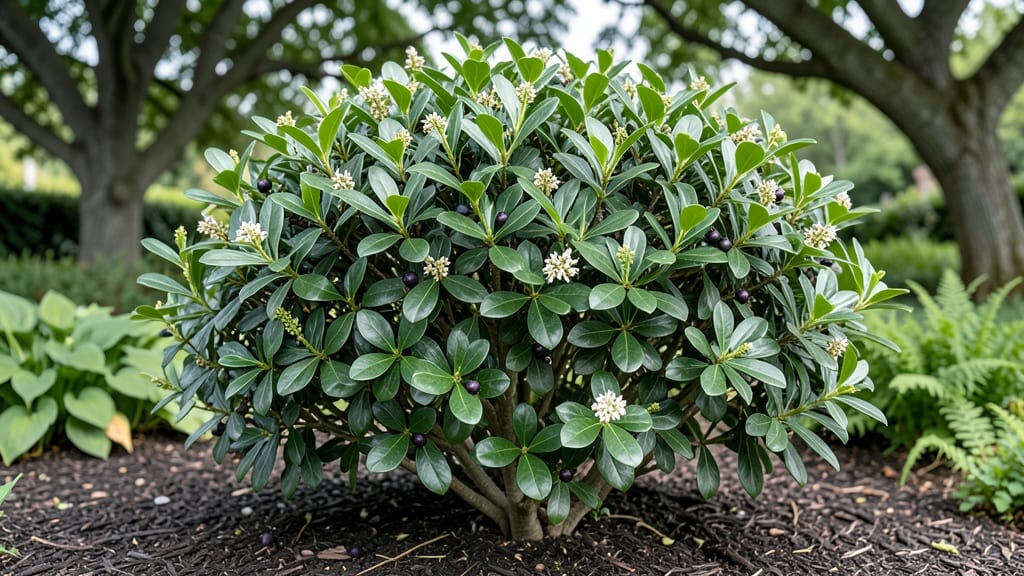
Transforming your wax leaf privet bush into a lush, year-round privacy screen starts with the right pruning approach. 🌿 I’ve pruned these glossy evergreens for years, and the difference between a scraggly hedge and a dense, healthy wall comes down to timing and technique—even in winter.
This bush thrives in partial shade to full sun, handles most soil types, and grows 6–12 feet tall with a 4–6 foot spread, making it perfect for hedges, screens, or foundation plantings. The key to keeping it vibrant?
Pruning twice a year: a light trim in late winter to shape growth, and a heavier cut in early summer to encourage bushiness before the heat sets in. By summer’s end, you’ll see thicker foliage, fewer gaps, and a plant that stays disease-resistant and pest-free with minimal effort.
The glossy leaves even add a touch of elegance to any landscape—no fancy varieties needed. Works for ground plantings or large containers (just use a 15-gallon pot minimum). Here’s how to do it right the first time.
📚 In This Guide
- What you need
- Instructions
- Tips and common mistakes
- Wrapping up and next steps
What you need
- ● Pruning shears: Bypass pruners (sharp, 6–8" blades) for clean cuts on small stems.
- ● Loppers: 8–12" bypass loppers for thicker branches (up to 2" diameter).
- ● Pruning saw: Curved-tooth saw for stubborn, woody stems (3–4" diameter).
- ● Gloves: Heavy-duty, cut-resistant gloves (e.g., leather or synthetic mesh).
- ● Disinfectant: 70% isopropyl alcohol or diluted bleach (1 part bleach to 9 parts water) to sterilize tools between cuts.
- ○ Pruning sealant: Optional, for sealing large cuts (if desired; skip for wax leaf privet’s fast-healing nature).
- ● Trash bags: Heavy-duty bags (2–3) for debris disposal.
- ● Step stool or ladder: For reaching higher branches (ensure stability!).
- ● Hand pruners: For precision trimming of tiny shoots.
- ● Extension pole saw: For tall, hard-to-reach branches.
- ● Garden twine: To temporarily tie branches for shaping.
- ● Plant food: Balanced fertilizer (10-10-10 or similar) to nourish post-pruning.
- ● Safety glasses: Protect your eyes from debris.
Step-by-Step instructions for pruning wax leaf privet bushes
Here's my proven method for keeping wax leaf privet bushes lush and compact year-round.
✂️ Step 1: Time Your First Spring Pruning Perfectly
Prune your wax leaf privet in early spring, just as new growth begins but before buds break. This is typically 4-6 weeks before your last frost date, when you notice fresh green shoots emerging from the stems. The goal is to shape the bush while it's still dormant but ready to respond to pruning.
Start by removing any dead, diseased, or crossing branches first. Use sharp, clean pruning shears to make clean cuts just above a leaf node or bud. I like to work when the plant is dry—morning is ideal—to avoid spreading sap-borne diseases. Never prune when the plant is wet or after a rain.
✂️ Step 2: Thin Out for Airflow and Light Penetration
Wax leaf privet thrives when it gets good airflow and sunlight throughout. Step back and look at your bush from all angles, then remove 20-30% of the oldest, thickest branches to open up the center. Focus on branches growing inward or rubbing against others—these compete for resources and create weak spots.
Make your cuts at a 45-degree angle just outside the branch collar (the swollen area where the branch meets the trunk). Avoid leaving stubs, as they invite disease. If you're shaping for a specific look, like a hedge, use a string line to guide your cuts for straight edges. I find that pruning in layers—first the thick branches, then the smaller ones—keeps the bush looking fuller faster.
☀️ Step 3: Maintain Shape Through Summer and Fall
Light maintenance pruning every 6-8 weeks during the growing season keeps your wax leaf privet looking its best. After the initial spring pruning, trim back any new growth that exceeds your desired shape. Use hand pruners for smaller branches and loppers for thicker stems. The key is to prune just enough to encourage bushier growth—never more than 1/3 of the plant's total volume in any one season.
In late summer, give your privet a final light trim to prepare for winter. Remove any suckers or water sprouts that appear at the base or along the stems. These fast-growing shoots drain energy from the main plant. I also check for any branches that have died back due to disease or pests and remove them completely to prevent spread.
⏰ Step 4: Winter Pruning for Next Year's Growth
Winter is the time to do any heavy structural pruning, but only if absolutely necessary. If your wax leaf privet needs major reshaping, prune during dormant season (late fall to early winter, when temperatures stay below 40°F). This prevents stressing the plant when it's already conserving energy for spring.
Focus on removing any dead wood or branches that didn't respond well to summer pruning. You can also lightly shape the bush to remove any uneven growth. Avoid heavy pruning in winter, as it stimulates new growth that won't harden off before spring. Instead, plan for a more aggressive spring pruning if needed. I like to leave the bush slightly taller in winter to provide some winter interest in the landscape.
Tips & tricks for pruning wax leaf privet bushes
Here's what nobody tells you about keeping your wax leaf privet thriving—these are the details that make all the difference.
Timing is Everything: The 4-6 week window before your last frost is critical for spring pruning. I check for fresh green shoots as my cue—this means the plant is waking up but hasn't yet committed to new growth. Pruning too early can stress the plant, while waiting too long risks removing next year's blooms. Confession: I skipped this timing once and ended up with sparse foliage all summer.
The 45-Degree Angle Secret: When making cuts in Step 2, that 45-degree angle isn't arbitrary—it directs water away from the branch collar, preventing rot. I use a small protractor attached to my pruning shears to ensure perfect angles every time. Also, make sure your cuts are just outside the branch collar (that swollen area where the branch meets the trunk), never inside it, or you'll damage the plant's healing ability.
Seasonal Pruning Strategy: The 6-8 week maintenance schedule in summer isn't just about looks—it's about encouraging dense growth. When you remove just the excess growth (never more than 1/3 of the plant), you're telling the privet to focus its energy on filling out. I mark my calendar every 8 weeks to stay consistent, and I've noticed my bushes are fuller and healthier than neighbors who only prune once a year.
Winter Pruning Wisdom: That 40°F temperature threshold in winter isn't random—it's when the plant's metabolic processes slow dramatically. Pruning below this temperature prevents stressing the plant when it's already conserving energy. I've found that even light winter shaping (just removing dead wood) can actually improve next year's growth by eliminating weak branches before spring.
Pro Tips for Wax Leaf Privet Bush
- Here's what nobody tells you about keeping your wax leaf privet thriving—these are the details that make all the difference.
- Timing is Everything: The 4-6 week window before your last frost is critical for spring pruning.
- The 45-Degree Angle Secret: When making cuts in Step 2, that 45-degree angle isn't arbitrary—it directs water away from the branch collar, preventing rot.
Frequently asked questions
Got questions about keeping your wax leaf privet bush lush and well-groomed? You’re not alone! Here are some of the most common queries—plus quick, actionable answers to keep your shrub thriving year-round.
When is the best time to prune a wax leaf privet bush?
The ideal time is late winter or early spring (before new growth starts), but you can also prune lightly after flowering to maintain shape. Avoid heavy pruning in fall—it can stimulate tender growth that won’t survive winter. For year-round shaping, do light trims after each major growth spurt.
How much can I prune a wax leaf privet bush without harming it?
Wax leaf privets are hardy and can handle up to 25-30% of their total foliage removed in one session. For severe overgrowth, spread pruning over 2-3 years to avoid stress. Never remove more than ⅓ of the plant in a single cut, or you risk stunting growth or inviting pests.
Why are my wax leaf privet leaves turning yellow or brown?
Yellowing or browning leaves often signal overwatering, underwatering, or fungal issues. Check soil moisture—privets prefer well-draining soil. If spots appear, it could be powdery mildew (common in humid climates). Prune for airflow, avoid overhead watering, and treat with neem oil if needed.
Can I use wax leaf privet as a hedge? Is it invasive?
Yes! It’s a fantastic hedge plant—dense, evergreen, and fast-growing. However, it’s not highly invasive like English ivy, but it can spread via suckers. To control it, prune aggressively in early spring and monitor for unwanted shoots. Plant in contained beds if concerned.
How do I prune wax leaf privet in extreme heat or cold?
In heat, prune in early morning or evening to avoid stressing the plant. In cold climates, wait until after the last frost (Zone 7+). If pruning in winter, do so on mild days (above 40°F) to prevent shock. Always use sharp, sterilized tools to minimize damage.
What’s a good alternative if wax leaf privet isn’t working for me?
If you want a low-maintenance, dense shrub but need alternatives, consider:
- Boxwood (neat but slower-growing)
- Holly (spiny, evergreen, but needs more care)
- Abelia (flowering, heat-tolerant, but less dense)
- Ligustrum (common privet) (similar but less cold-hardy)
Wrapping up and next steps
Pruning your wax leaf privet bush doesn’t have to be intimidating—with the right tools, timing, and techniques, you’ll unlock lush, dense growth year-round! 🌿 Whether you’re trimming for shape, health, or rejuvenation, remember that consistency is key. Start small, stay patient, and let your bush thrive with confidence.
Ready to take the next step? Grab your pruners and schedule a quick session this weekend—your wax leaf privet will thank you! For extra guidance, bookmark this guide or share it with fellow gardening enthusiasts. Happy pruning! ✂️