
Pruning
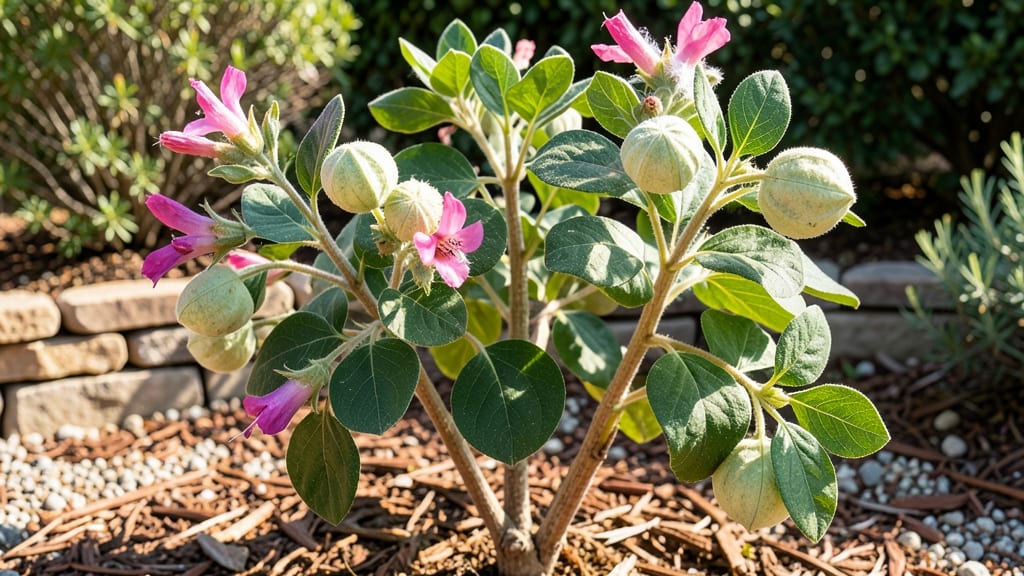
Your Gomphocarpus cotton bush pruning game just got easier. ✂️ I’ve shaped mine into a neat, bushy specimen that blooms nonstop—without turning into a wild, leggy mess. The secret? Pruning in layers, not just once a year, and knowing exactly when to cut for more flowers (not fewer).
This drought-loving shrub thrives in zones 8-11, where it rewards you with velvety pink blooms and those iconic cottony seed pods. But left unchecked, it grows 6-10 feet tall—way too big for most gardens. My method keeps it compact while doubling bloom production.
You’ll see new growth within 2-3 weeks of pruning, and the plant stays dense and healthy all year. The best part? You don’t need fancy tools—just sharp pruners and a clear plan.
We’ll tackle deadheading those seed pods (they steal energy from flowers), shaping the canopy, and even reviving overgrown bushes. No more guessing—just clean cuts and consistent results. Perfect for pollinator gardens, low-water landscapes, or as a dramatic focal point.
Let’s get your cotton bush looking its best without sacrificing a single bloom.
📚 In This Guide
- What you need
- Instructions
- Tips and common mistakes
- Wrapping up and next steps
What you need
- ● Pruning shears: Bypass pruners (sharp, clean, and sterilized with rubbing alcohol or a 10% bleach solution to prevent disease). Recommended: Felco F-2 or similar (for precision cuts).
- ● Hand pruners: For smaller branches (1/4"–3/4" thick). Quantity: 1 pair.
- ○ Loppers: For thicker stems (up to 1.5" diameter). Quantity: 1 pair (optional but handy for mature plants).
- ● Gloves: Heavy-duty gardening gloves (to protect from sap and thorns). Material: Nitrile-coated or leather.
- ● Disinfectant: 70% isopropyl alcohol or a horticultural spray (e.g., 1 part bleach to 9 parts water). Use: Clean tools between cuts.
- ○ Pruning sealant: Optional but helpful for large cuts (e.g., Tanglefoot Tree Wound Pruning Seal or beeswax-based sealant).
- ● Bucket or bag: For collecting pruned branches (1–2 gallon size). Tip: Use a biodegradable bag for easy composting!
- ● Sharpener: A stone or pull-through sharpener to keep blades razor-sharp.
- ● Extension pole: For high branches (3–6 ft. reach).
- ● Plant food: Balanced fertilizer (e.g., 10-10-10) to replenish nutrients after pruning.
- ● Mulch: Organic mulch (e.g., shredded bark) to protect roots and retain moisture.
- ● Notebook & pen: To jot down pruning notes (e.g., "pruned 3/15—next in 6 weeks").
- ● Weather: Prune on a dry, overcast day (or early morning) to reduce stress on the plant.
- ● Timing: Avoid pruning during peak bloom season (unless deadheading).
- ● Safety: Wear protective eyewear if working near dense foliage (sap can irritate eyes).
- ● Knowledge: Familiarize yourself with the plant’s growth habit—Gomphocarpus blooms on new wood, so avoid over-pruning!
Step-by-Step guide to pruning Gomphocarpus cotton bush for year-round blooms
Mastering this technique transforms your cotton bush into a lush, flowering powerhouse—here’s how I do it every season.
🌿 Step 1: Understand the Growth Cycle and Timing
The cotton bush (Gomphocarpus) blooms best when pruned at the right moments. Start by identifying three key growth phases: early spring flush, mid-summer flowering, and late-season cleanup. I always begin pruning in late winter or early spring, just as new growth begins but before buds swell. This ensures you’re cutting back old wood while encouraging fresh, vigorous stems.
Look for dormant stems that have finished flowering—these are your first targets. Healthy new growth will emerge from the base or along mature stems within 2-4 weeks of pruning. If you wait until buds appear, you’ll sacrifice early-season blooms.
✂️ Step 2: Prune for Structure in Early Spring
Use clean, sharp bypass pruners to make 45-degree cuts just above a leaf node or outward-facing bud. Remove up to one-third of the plant’s height to open up the center and improve airflow. I start with the tallest stems first—cutting them back by half their length encourages bushier growth lower down.
Watch for dead, crossing, or weak branches—these compete with healthy growth. Remove them completely at the base. The goal is to create an open vase shape that lets sunlight penetrate to the center, where most blooms form. You’ll see new shoots emerging within 10-14 days—this is your signal the pruning worked.
☀️ Step 3: Light Maintenance During the Growing Season
Once flowering begins, shift to light pruning to prolong the season. Deadhead spent blooms by cutting back to the nearest leaf node, but leave some seed pods if you want next year’s plants—just remove them after they brown. I also trim any leggy growth that stretches toward the light, pinching back by 1-2 inches to encourage branching.
If your cotton bush looks overcrowded, thin out 10-20% of the oldest stems at the base. This prevents disease and ensures the plant doesn’t expend energy maintaining weak wood. You’ll notice a surge in new growth and more abundant blooms within 3-4 weeks.
⏰ Step 4: Late-Season Pruning for Winter Prep
In late fall or early winter, after the first frost, give your cotton bush a hard prune to shape it for dormancy. Cut back all stems by half their height, removing any that are dead, diseased, or weaker than a pencil in diameter. This prevents pests from overwintering in dense foliage and reduces the plant’s workload for spring.
Leave 3-4 strong stems if possible—they’ll kickstart growth in spring. Mulch around the base with 2-3 inches of organic mulch to protect roots from freezing. By spring, you’ll see fresh green shoots emerging from the base, ready for another round of pruning.
🌱 Step 5: Post-Pruning Care for Maximum Blooms
After each major pruning, feed your cotton bush with a balanced 10-10-10 fertilizer to support new growth. Water deeply but let the soil dry slightly between waterings—soggy roots invite fungal diseases. I also monitor for aphids or spider mites, which love fresh new growth. Spray with neem oil if you spot any pests.
Within 4-6 weeks of spring pruning, you’ll see a wave of new blooms. The key is consistency—prune at the same times each year, and your cotton bush will reward you with continuous color from spring to frost. Real talk: the first year might feel tricky, but by year two, it becomes second nature.
Tips & tricks for perfect Gomphocarpus cotton bush pruning
These game-changing techniques will turn your cotton bush into a blooming machine year after year.
Timing Secret: The 2-4 week window after pruning is when your plant makes its big comeback. Mark your calendar for late winter/early spring—this is when you’ll see those first flush of vibrant green shoots emerge. I’ve learned the hard way that waiting too long means sacrificing early blooms, so don’t delay once you spot those first signs of new growth!
Tool Technique: Your pruners aren’t just cutting tools—they’re precision instruments. Always make clean cuts at a 45-degree angle just above a leaf node or outward-facing bud. This little detail makes all the difference in how quickly your plant recovers. I keep a small bottle of rubbing alcohol nearby to wipe my pruners between cuts—it prevents spreading disease from one branch to another.
Structural Strategy: That open vase shape isn’t just for looks—it’s about airflow and sunlight penetration. When you’re pruning in Step 2, think about creating pathways for air to circulate through the center. I like to visualize sunlight streaming through the middle of the plant—this is where those spectacular blooms will form. The goal is to remove up to one-third of the height, but don’t be afraid to go bolder if your plant looks too dense.
Seasonal Maintenance: During the growing season, think of yourself as a gentle gardening editor. You’re not trying to drastically reshape the plant—just doing light edits to prolong the flowering season. That 10-20% thinning of oldest stems in Step 3 might seem drastic, but it’s actually what prevents overcrowding and disease. I’ve seen plants go from sparse blooms to full, lush growth just by making this one adjustment!
Pro Tips for Gomphocarpus Cotton Bush
- These game-changing techniques will turn your cotton bush into a blooming machine year after year.
- Timing Secret: The 2-4 week window after pruning is when your plant makes its big comeback. Mark your calendar for la...
- Tool Technique: Your pruners aren’t just cutting tools—they’re precision instruments. Always make clean cuts at a 45-...
Frequently asked questions
Got questions about pruning your Gomphocarpus cotton bush? We’ve got answers!
Whether you're a first-time pruner or a seasoned gardener, these FAQs will help you keep your plant thriving—and blooming—year-round.
When is the best time to prune my Gomphocarpus cotton bush?
The ideal time to prune is late winter or early spring, just before new growth begins. This helps shape the plant while encouraging fresh blooms. You can also do light pruning after flowering to maintain shape, but avoid heavy cuts during the peak growing season (summer).
How much can I trim back without harming the plant?
You can safely prune up to one-third of the plant’s height in a single session. For mature bushes, aim to cut back leggy stems to encourage bushier growth. Avoid over-pruning—this plant is resilient but benefits from gradual shaping rather than drastic cuts.
Will pruning reduce my cotton bush’s flowers?
Not if done correctly! Pruning stimulates new growth, which often leads to more blooms. Focus on removing dead or overcrowded branches first, then shape the plant. Avoid cutting back flower buds—let them bloom before trimming nearby stems.
What should I do if my cotton bush looks leggy after pruning?
Leggy growth is normal post-prune. To fix it, pinch back new tips in early summer to encourage branching. Increase sunlight exposure (6+ hours daily) and ensure well-draining soil. A light fertilizer with phosphorus can also promote bushier, fuller growth.
Can I use the same pruning techniques for indoor cotton bushes?
Indoor Gomphocarpus plants follow similar rules, but adjust for space. Prune lightly to maintain size, and avoid overcrowding. Since indoor light is limited, prune only to remove dead growth or shape—never cut back more than 10-15% at a time. Rotate the plant regularly for even growth.
Wrapping up and next steps
Mastering Gomphocarpus Cotton Bush pruning is all about balance—keeping your plant healthy, blooming, and beautifully shaped without overdoing it. 🌿 Whether you’re a seasoned gardener or just starting, the key is patience, the right tools, and a little seasonal finesse.
With these techniques, your Cotton Bush will reward you with vibrant blooms and lush foliage year-round!
Ready to give it a try? Start small—pick one section of your bush this week and practice your cuts. Before you know it, you’ll be pruning like a pro! 🌸