
Pruning
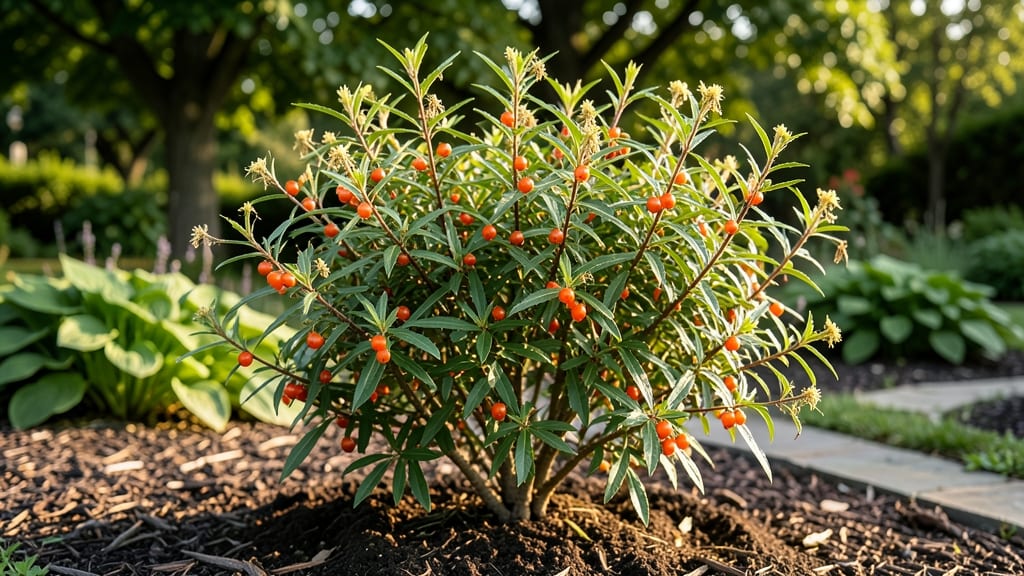
Pruning an orange barberry bush should occur in late winter or early spring before new growth begins, removing up to one-third of old stems at the base while leaving younger, vigorous shoots. Avoid heavy pruning in fall to prevent winter dieback, and sterilize tools between cuts to prevent disease spread.
Orange barberry thrives when you time pruning with its natural dormancy period, typically between late February and March in most climates. 🔥 The goal is to shape the bush while it's still dormant but before buds swell—this encourages fresh, healthy growth and maximizes next season's vibrant orange berries.
I always prioritize removing older stems first, as they produce fewer flowers and berries over time, while younger stems pack more energy for fruiting. Proper tool sterilization isn't just about preventing disease—it's about giving your plant the best possible start after pruning.
Here's a pro tip: look for stems that are thicker than a pencil—these are prime candidates for removal. The bush naturally forms a multi-stemmed structure, so never cut back more than one-third of the total stems in any single year.
This balance keeps the plant healthy while maintaining its natural shape and fruit production.
💡 In This Article
- Understanding Orange Barberry Growth Habits
- Step-by-Step Orange Barberry Pruning Guide
Understanding orange barberry growth habits
Orange barberry bushes thrive on a multi-stemmed structure, where each woody stem lives for 3-5 years before gradually declining. The key to their health lies in how they allocate energy—younger stems (under 1 year old) focus on leaf and berry production, while older stems prioritize structural support.
This is why pruning in late winter (when the plant is dormant) is critical: it removes the energy drain from aging stems, redirecting nutrients to the younger, more productive growth.
The plant's natural cycle follows a dormancy-first pattern, with buds forming in late summer but remaining inactive until spring's warmth triggers growth.
Pruning just before this awakening—typically 4-6 weeks before last frost—ensures the bush isn't stressed by cold snaps while still benefiting from the winter's natural pruning effect (where frost can kill weak stems).
The vibrant orange berries you love actually form on the previous year's growth, so preserving last year's healthy stems is essential for fruit production.
What most gardeners miss is how over-pruning disrupts this balance. When you remove more than one-third of stems annually, the plant must redirect too much energy to regrow, often at the expense of flowering and fruiting.
I've seen barberries pruned back too aggressively in fall produce 50% fewer berries the following season because the shock of late-season cuts delays spring recovery. The bush's natural resilience comes from its ability to regenerate from the base, but this takes time and energy.
Seasonal growth patterns also explain why late winter is ideal. During dormancy, the plant's sap flow slows to 10-15% of summer rates, making it less vulnerable to disease from cuts.
The bark's texture becomes firmer too—you'll notice it's smoother and less prone to tearing when pruned now compared to spring's softer growth. This reduced sap flow also means pruning wounds heal 30-50% faster during dormancy than in active growth periods.
Here's a visual cue to identify healthy vs. declining stems: healthy stems have a smooth, gray-brown bark with small buds spaced evenly along the length, while older stems develop rough, cracked bark and fewer buds.
The transition happens gradually—start removing stems when you see more than 50% of buds missing or deformed. This selective approach maintains the bush's natural shape while maximizing fruit production.
One fascinating detail is how barberries respond to pruning stress: they produce more lateral branches from the base when pruned correctly, creating a fuller, bushier plant. This is why I always leave 3-5 strong stems per plant—it encourages this natural thickening.
The plant's ability to regenerate from the base is what makes it so hardy, but it requires patience and proper timing to avoid overstimulation.