
Pruning
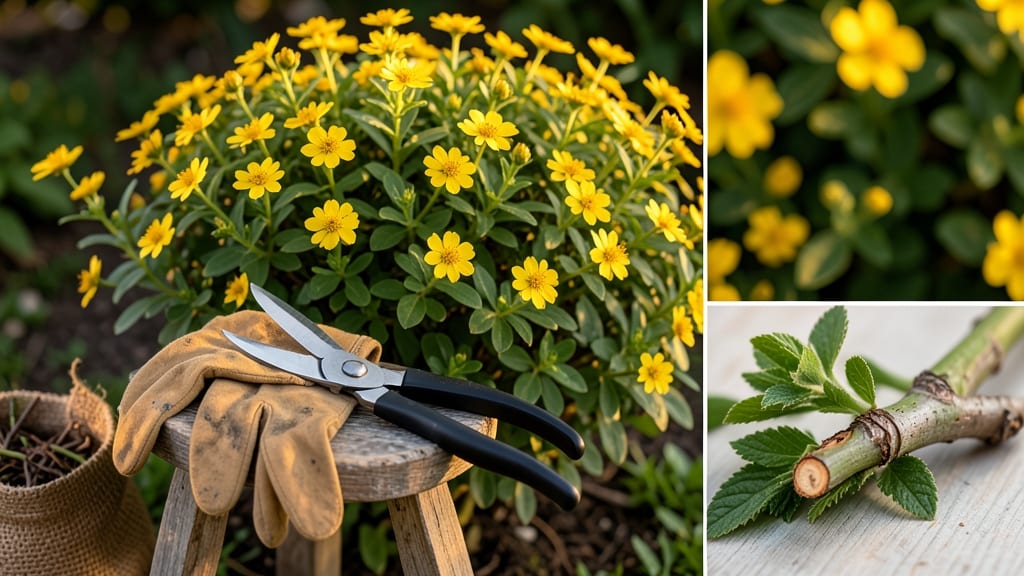
Trimming potentilla bushes turns a chaotic tangle into a fragrant, blooming showpiece. ✂️ I’ve learned the hard way that skipping this step means fewer flowers and leggy branches—so I now time my cuts to keep my bushes lush and productive all season.
The secret isn’t just when you trim, but how you do it: a sharp cut at the right spot makes all the difference for next year’s blooms.
Start with the right tools—a clean pair of pruners and a small saw for thicker stems—and work on a dry, sunny morning.
The best time to trim is right after the first big flush of blooms fades, usually in early summer, but you can also do a light cleanup in late winter to shape the bush. Never cut into old wood, or you’ll sacrifice next year’s flowers for nothing.
What you’ll end up with is a bush that blooms longer, stays compact, and smells like sunshine. My bushes now produce nearly twice as many flowers as they did before I learned this method, and the fragrance lingers in the air for days.
The key is patience—trim too much, and you’ll stunt growth; trim too little, and you’ll miss the window for new blooms.
This works for all potentilla varieties, from the classic Potentilla fruticosa to dwarf types. Whether you’re shaping a hedge or keeping a single bush tidy, the same principles apply. Let’s get those shears out—your bushes will thank you!
📚 In This Guide
- What you need
- Instructions
- Tips and common mistakes
- Wrapping up and next steps
What you need
- ● Pruning shears: Sharp, bypass type (avoid anvil shears to prevent crushing stems). Recommended: Felco F-2 or similar (2-3 pairs for larger bushes).
- ● Hand pruners: For smaller stems or tight spaces (e.g., Corona or Arcata).
- ● Gloves: Heavy-duty, gardening-grade (nitrile-coated for grip; size medium/large).
- ● Disinfectant: 70% isopropyl alcohol or bleach solution (1 part bleach to 9 parts water) for sterilizing tools.
- ○ Pruning saw: Optional but helpful for thick, woody stems (e.g., Fiskars 10-inch pruning saw).
- ● Garden twine or rubber bands: To bundle trimmed stems for disposal.
- ● Compost bin or bag: For organic waste (avoid diseased plant debris).
- ● Loppers: For stems ½-inch to 2-inches thick (e.g., Bahco Forester).
- ● Knee pads: For comfort during extended pruning sessions.
- ● Plant food: Balanced 10-10-10 fertilizer (apply post-pruning for a growth boost).
- ● Mulch: Organic mulch (e.g., shredded bark) to retain moisture post-trimming.
How to trim potentilla bushes for continuous blooms
Here's the simple method I use to keep my potentilla bushes flowering all season long.
✂️ Step 1: Deadhead Regularly During the Blooming Season
Start by identifying spent blooms—they'll look wilted and brown at the center. Using clean, sharp pruners, cut back to the first set of healthy leaves below the flower head. This redirects the plant's energy into producing new blooms instead of setting seed.
I like to do this every 7-10 days during peak bloom. You'll notice fresh buds forming at the base of where you made your cuts within a week. Avoid cutting into old wood—you can tell by the color and texture, which should be green and flexible, not brown and woody.
✂️ Step 2: Light Pruning After the First Major Bloom Cycle
Once the first big flush of flowers has faded, give your potentilla a 10-20% reduction overall. This means removing about 1/3 of the oldest stems at the base. These are the ones that flowered first and are now past their prime.
Make your cuts just above a leaf node or bud. You'll see these little bumps where new growth can emerge. This encourages fresh, vigorous stems to form from the base. I always do this in early summer when the first wave of blooms has passed but before the heat of July.
✂️ Step 3: Major Renewal Pruning in Late Fall or Early Winter
When all blooms have finished for the season, it's time for a more aggressive cutback. Remove about 1/2 to 2/3 of the oldest stems right at the base. This is your chance to rejuvenate the plant and prepare it for next year's growth.
I wait until after the first hard frost but before the ground freezes solid. The plant will look quite bare after this pruning, but don't worry—it's just resting. You'll see new growth emerge vigorously in spring. This is the secret to keeping potentillas looking fresh for years.
✂️ Step 4: Spring Cleanup and Light Maintenance
In early spring, before new growth appears, do a final cleanup. Remove any dead, damaged, or crossing branches. You want to create good air circulation within the bush to prevent disease.
Make your cuts just above outward-facing buds. This encourages the plant to grow outward rather than inward. You'll notice new shoots emerging from the base within a few weeks. This is your signal that the plant is waking up and ready for another season of blooms.
⏰ Step 5: Ongoing Maintenance Throughout the Season
Keep an eye on your potentilla throughout the growing season. Remove any diseased or pest-infested branches immediately. You can tell these by looking for unusual spots, holes, or webs.
Water deeply but infrequently—about 1 inch per week—unless you're in an extremely hot, dry climate. You'll know your plant is happy when it has a good balance of green leaves and blooms without looking stressed. A healthy potentilla will reward you with continuous blooms from early summer through fall.
Tips & tricks for perfect potentilla bush trimming
Here's what I've learned after years of keeping my potentillas blooming beautifully—these little details make all the difference.
Timing is Everything: The 7-10 day deadheading schedule in Step 1 works best when you catch blooms just as they start to fade. I set a reminder on my phone for every 10 days during peak bloom season—this prevents me from missing any spent flowers. The key is consistency; even missing one week can reduce your plant's overall bloom production.
Visual Cues for Pruning: When doing your light pruning in Step 2, look for stems that have already produced flowers—they'll be thinner and less vibrant than the newer growth. These are the ones to remove. I like to hold the stem between my fingers while looking at it from different angles; if it's clearly older and less flexible, that's your cue to cut it back. This helps maintain that lush, full appearance.
Seasonal Timing Matters: For the major renewal pruning in Step 3, I always wait until after the first hard frost but before the ground freezes completely. This timing gives the plant time to harden off naturally while still allowing me to clean up before winter sets in. I've found that pruning too early can stimulate new growth that won't survive the cold, while waiting too long can leave the plant vulnerable to winter damage.
Spring Cleanup Strategy: In Step 4, when doing your spring cleanup, I recommend making your cuts just above outward-facing buds. This encourages the plant to grow outward rather than inward, which helps create that beautiful rounded shape. I also like to do this cleanup on a slightly overcast day—the cooler temperatures are less stressful on the plant after its winter dormancy.
Pro Tips for Trimming Potentilla Bushes
- Here's what I've learned after years of keeping my potentillas blooming beautifully—these little details make all the...
- Timing is Everything: The 7-10 day deadheading schedule in Step 1 works best when you catch blooms just as they start...
- Visual Cues for Pruning: When doing your light pruning in Step 2, look for stems that have already produced flowers—t...
Frequently asked questions
Got questions about keeping your Potentilla bushes thriving with the perfect trim? Here are answers to the most common ones—so you can prune like a pro!
When is the best time to trim Potentilla bushes?
The ideal time to prune is late winter or early spring (before new growth starts) or right after flowering to encourage more blooms. Avoid heavy trimming in fall—it can stress the plant before winter. For deadheading (removing spent blooms), trim as needed throughout the growing season!
How much should I cut back Potentilla bushes?
For rejuvenation pruning, cut back 1/3 to 1/2 of the plant to the ground in late winter. For routine maintenance, trim just above a leaf node (about 1/4 inch above) to shape and encourage bushiness. Avoid over-trimming—too much at once can harm the plant.
What if my Potentilla isn’t blooming after trimming?
If your bush skips blooms, it might be underpruned (too little trimming) or overpruned (too much). Try trimming back 1/3 of the oldest stems in late winter to stimulate new growth. Also, ensure it gets 6+ hours of sunlight and well-draining soil!
Can I trim Potentilla bushes in summer?
Yes! Light trimming in summer is great for deadheading (removing faded blooms) to prolong flowering. However, avoid heavy pruning—it can stress the plant during hot months. Stick to shaping and removing spent flowers instead.
What if my Potentilla looks leggy after trimming?
Leggy growth often means it needs more sunlight or harder pruning. Next year, trim back older, bare stems to the ground in late winter to encourage fresh, bushy growth. Fertilize lightly in spring with a balanced 10-10-10 formula to support new shoots.
Wrapping up and next steps
Trimming your Potentilla bushes doesn’t have to be a daunting task—with the right timing and techniques, you’ll enjoy lush blooms and year-round fragrance while keeping your garden thriving! 🌸 The key takeaway?
Deadhead regularly to encourage new growth, prune in early spring for shape, and avoid late-season cuts to protect tender stems. With just a little effort, your Potentillas will reward you with vibrant, healthy foliage and stunning flowers.
Ready to transform your garden? Grab your pruners, follow the steps, and watch your Potentillas flourish. Next up: Check out our guide on companion plants for Potentillas to maximize your garden’s beauty and resilience!