
Size
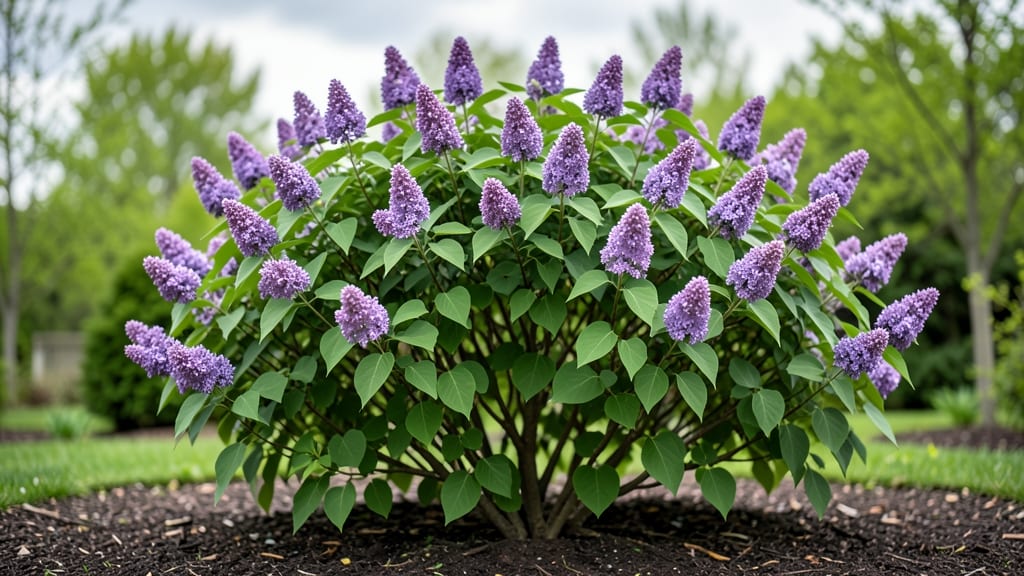
Tall lilac bushes transform a yard into a fragrant, purple-dappled sanctuary. 🌿 I planted mine along the property line last spring, and by summer, they formed a 10-foot-tall privacy screen that smells like springtime even in July.
The trick isn't just their height—it's how they work year-round, from winter's skeletal branches to summer's showstopping blooms. They thrive in full sun but tolerate partial shade, making them versatile for fences, borders, or even as dramatic focal points near patios.
Pair them with evergreen shrubs like boxwood for year-round structure, or let them stand alone as a fragrant, textured backdrop. The key is spacing them 8-10 feet apart—this gives them room to grow without crowding.
What you end up with is a garden feature that does double duty: privacy and perfume. The blooms attract pollinators, the foliage provides shade, and the scent lingers long after cutting. My neighbors now ask how I "made my yard smell so good"—it's all the lilacs.
Works best in zones 3-7, but even in warmer climates, they reward patience with longer bloom seasons. Here's how to place them for maximum impact!
📚 In This Guide
- What you need
- Instructions
- Tips and common mistakes
- Wrapping up and next steps
What you need
- ● Lilac bushes: 3–5 Syringa varieties (e.g., 'Tina', 'Katherine Havemeyer,' or 'President Lincoln') for a full, lush screen. Choose mature plants (3–5 years old) for faster results.
- ● Well-draining soil: Mix 1 part compost with 2 parts native soil (lilacs hate soggy roots!). Test pH—ideal range is 6.0–7.0.
- ● Organic mulch: 3–4 inches of wood chips or shredded bark to retain moisture and suppress weeds.
- ● Slow-release fertilizer: 10-10-10 NPK ratio (apply in early spring and fall).
- ○ Drip irrigation system (optional but recommended): 1/2-inch tubing with emitters spaced 12–18 inches apart for deep, consistent watering.
- ● Shovel or spade (for digging holes 2x wider and slightly deeper than the root ball).
- ● Garden gloves (to protect hands from thorns and rough bark).
- ● Pruning shears (for shaping and removing dead wood).
- ● Wheelbarrow (for hauling soil, mulch, or plants).
- ● Measuring tape (to space plants 6–10 feet apart for a dense screen).
- ● Stakes & twine (to support young bushes while they establish roots).
- ● ✅ Sunlight: Lilacs thrive in full sun (6+ hours/day). Pick a spot with minimal shade.
- ● ✅ Drainage: Avoid low-lying areas where water pools. Raised beds or slopes work best!
- ● 💡 Timing: Plant in early spring or fall (avoid extreme heat or frost).
- ● 🔥 Bonus: Add bone meal to planting holes for extra phosphorus (boosts root growth!).
How to plant tall lilac bushes for a fragrant privacy screen
Here’s how to establish a lush, fragrant barrier that blooms reliably for decades.
🌱 Step 1: Choose the Perfect Planting Spot
Lilacs thrive in full sun—at least 6 hours daily—so pick a location with southern or western exposure. Avoid low spots where cold air settles, as lilacs dislike soggy roots. I always test the soil by digging a 12-inch hole—if water pools after 24 hours, amend with 2-3 inches of compost to improve drainage.
Spacing matters: plant each bush 8-10 feet apart for a dense screen. If you’re using four plants, arrange them in a staggered line to create natural gaps for airflow. Lilacs grow 10-15 feet tall, so check overhead power lines or structures before digging.
🪴 Step 2: Prepare the Soil and Plant
Dig a hole twice as wide as the root ball but no deeper—lilacs hate sitting too low. Loosen the roots gently if they’re circling the root ball, then place the bush in the center. Fill the hole with native soil mixed with 1 part compost to help establish roots faster.
Water deeply right after planting to settle the soil and remove the saucer if your pot had one. Lilacs are drought-tolerant once established, but young plants need 1 inch of water weekly during their first season. Mulch around the base with 2-3 inches of shredded bark, keeping it 6 inches away from the trunk to prevent rot.
☀️ Step 3: Prune for Shape and Health
Wait until late spring, after blooms fade, to prune. Remove any dead or crossing branches first with clean, sharp shears. Then, shape the bush by cutting back 1/3 of last year’s growth—this encourages dense foliage and next year’s flowers.
Never prune lilacs in fall or winter, as they flower on old wood. If you see suckers at the base, remove them immediately—they drain energy from your main plant. I also deadhead spent blooms in early summer to redirect nutrients to root growth.
⏰ Step 4: Maintain for Long-Term Growth
Fertilize lightly in early spring with a 10-10-10 balanced fertilizer, spreading ½ cup per bush. Lilacs don’t need much—over-fertilizing leads to leafy growth at the expense of flowers. Water deeply every 10-14 days during dry spells, but let the top 2 inches of soil dry between waterings to prevent root rot.
Watch for borers or aphids—if you see holes in leaves or sticky residue, spray with neem oil. Lilacs are low-maintenance once established, but I check mine annually for signs of stress. With proper care, your screen will bloom for 30+ years, filling your yard with that iconic fragrance.
Tips & tricks for perfect tall lilac bushes
Here's what nobody tells you about growing these fragrant giants—lessons I learned after watching my first lilacs struggle.
Location Secrets: That 6 hours of sun is non-negotiable, but I've found the best spots get morning sun and afternoon shade in hot climates. Test your site for 24 hours first—if the area stays damp, amend with 2-3 inches of compost before planting. I also avoid planting near large trees that will compete for nutrients.
Root Ball Rescue: When you dig that hole twice as wide as the root ball, gently tease apart any circling roots with your fingers. I learned this the hard way after my first lilacs developed girdling roots that choked their own growth. If roots are tightly bound, make 2-3 vertical cuts with a clean knife to encourage outward spread.
Pruning Precision: That 1/3 cut in late spring is critical, but timing matters even more. Wait until after blooms fade completely—if you prune too early, you'll sacrifice next year's flowers. I mark my calendar for the last frost date plus 4 weeks to ensure safe pruning. And never use hedge trimmers—they create jagged cuts that invite disease.
Watering Wisdom: The 1-inch weekly watering guideline works for most gardens, but I've found young lilacs need more in sandy soil. Check moisture by sticking your finger 2 inches deep—if it's dry, water thoroughly. Overwatering is worse than underwatering; lilacs hate soggy roots and can develop root rot within weeks.
Pro Tips for Tall Lilac Bushes
- Here's what nobody tells you about growing these fragrant giants—lessons I learned after watching my first lilacs struggle.
- Location Secrets: That 6 hours of sun is non-negotiable, but I've found the best spots get morning sun and afternoon shade in hot climates.
- Root Ball Rescue: When you dig that hole twice as wide as the root ball, gently tease apart any circling roots with your fingers.
Frequently asked questions
Got questions about growing and maintaining tall lilac bushes? You’re not alone! Here are some of the most common queries—plus expert answers to help you create the perfect fragrant privacy screen.
How tall do lilac bushes actually grow?
Mature lilac bushes typically reach 8 to 12 feet tall, though some varieties (like ‘Dwarf Korean’) stay under 6 feet. With proper pruning and spacing, they can form an impressive, dense hedge for year-round privacy. Plant them 6 to 10 feet apart for optimal growth.
When is the best time to plant tall lilac bushes?
Fall (after leaf drop but before hard frost) is ideal for planting lilacs—September to November in most climates. Spring (March–April) also works, but avoid extreme heat or cold. Pro tip: Water deeply after planting and mulch to retain moisture while roots establish!
How do I prune tall lilacs to keep them healthy and bushy?
Prune lilacs right after flowering (late spring) to shape them and encourage new blooms. Remove 1/3 of the oldest stems at the base to rejuvenate growth. Avoid heavy pruning in fall—it can stimulate late growth that’s vulnerable to frost. Use clean, sharp shears to prevent disease.
What pests or diseases should I watch for in tall lilac bushes?
Lilacs are generally hardy, but watch for aphids, borers, or powdery mildew (common in humid climates). Treat aphids with a strong spray of water or insecticidal soap. For mildew, improve airflow and apply fungicide if needed. Prevention tip: Space plants properly and avoid overhead watering to stay ahead of issues!
Can I grow tall lilacs in containers or small gardens?
While lilacs thrive in the ground, dwarf varieties (like ‘Miss Canada’) can work in large containers (at least 24-inch pots). Ensure the container has drainage and use well-draining soil. However, container-grown lilacs may need more frequent watering and winter protection in cold climates.
What’s a good alternative if I need faster privacy?
If lilacs grow too slowly for your needs, consider privet, arborvitae, or bamboo for quicker privacy. For fragrance and height, ‘Purple Smoke’ bush honeysuckle is another great option—it blooms later in summer and attracts pollinators. Just note: Lilacs live 30+ years with minimal care!
Wrapping up and next steps
Tall lilac bushes are a game-changer for adding privacy, beauty, and fragrance to your outdoor space—without sacrificing year-round appeal! 🌿 Whether you're drawn to their stunning purple blooms, low-maintenance growth, or adaptability to different climates, these bushes deliver effortless elegance.
Ready to transform your yard? Start by choosing the right variety for your zone, prepping the soil, and planting with confidence—your future privacy screen (and fragrant summer breeze) awaits!