
Pruning
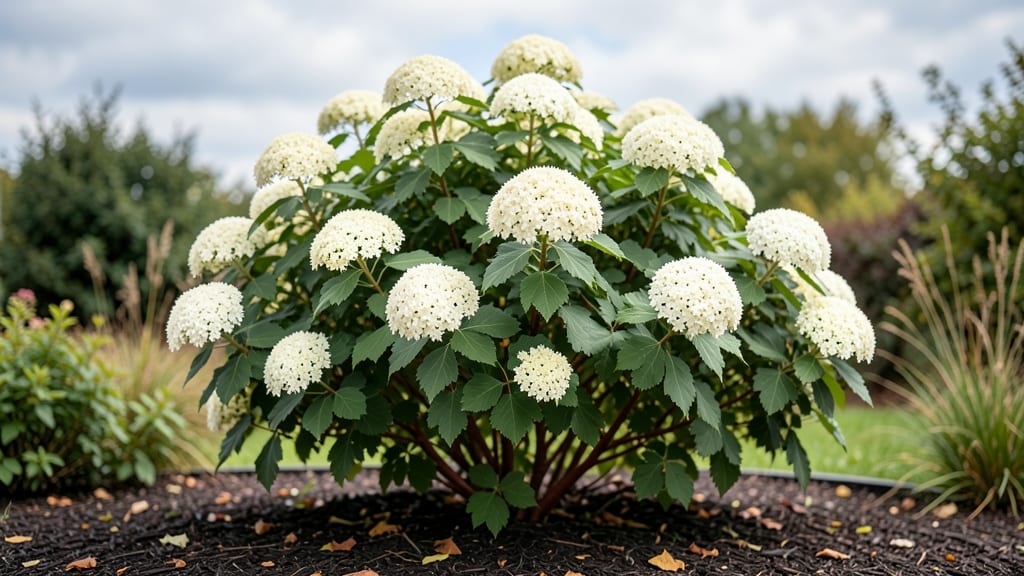
Your snowball shrub bush transforms any yard into a fragrant, snow-dusted fairyland with the right trimming. 🌿 I learned the hard way that skipping layered growth trimming leaves these bushes leggy and sparse—but once I mastered the technique, my Viburnum opulus became the showstopper of spring with its cloud-like blossoms.
The secret lies in pruning at the right time and in the right way. These shrubs thrive in full sun to partial shade and well-drained soil—so pick a spot where they’ll get at least 4-6 hours of sunlight daily.
They’re hardy in zones 3-7, making them perfect for northern climates where winter interest matters.
After pruning, you’ll see dense, lush foliage that stays compact and produces those iconic white flower clusters. The fragrance alone makes it worth the effort—imagine strolling past a hedge that smells like spring all summer long. Plus, birds and pollinators adore the berries that follow the blooms.
Whether you’re shaping a formal hedge or letting it grow naturally, this method works for both. Start with clean cuts in early spring, and you’ll have a bush that’s neighbor-jealousy levels of beautiful by summer. Let’s get those shears sharp!
📚 In This Guide
- What you need
- Instructions
- Tips and common mistakes
- Wrapping up and next steps
What you need
- ● Pruning shears: Sharp, bypass-style shears (for clean cuts on smaller branches). Quantity: 1 pair.
- ● Loppers: For thicker branches (up to 1.5 inches in diameter). Quantity: 1 pair.
- ● Hand pruners: For precision trimming of delicate stems. Quantity: 1 pair.
- ● Gloves: Heavy-duty gardening gloves (to protect hands from thorns and sap). Quantity: 1 pair.
- ○ Disinfectant (optional but recommended): 70% rubbing alcohol or a commercial pruning spray to sterilize tools between cuts. Quantity: Small bottle.
- ● Pruning saw: Only if dealing with very thick, woody branches (rare for snowball shrubs). Quantity: 1 (if needed).
- ● Extension pole: For high-reaching branches (3–6 feet). Quantity: 1 (adjustable length preferred).
- ○ String or twine: For marking even layers (optional but helpful for beginners). Quantity: 10–20 feet.
- ● Water spray bottle: To clean tools mid-pruning and keep cuts moist. Quantity: 1.
- ● Pruning sealant: For large cuts (to prevent disease entry). Quantity: Small tube.
- ● Knee pads or stool: For comfort during long sessions. Quantity: 1.
- ● Trash bags or bucket: For collecting clippings. Quantity: 1–2.
- ● Sun protection: Hat, sunglasses, and sunscreen (if working in full sun).
- ● Notebook & pen: To jot down growth notes or reminders for future trims.
Layered trimming techniques for a lush snowball shrub hedge
Here’s how to shape your snowball bush into a fragrant, dense hedge with professional-looking layers.
✂️ Step 1: Time Your First Cut for Spring Growth
Prune your snowball shrub in early spring, right as new growth begins but before buds swell. This timing ensures you’re shaping the plant’s natural energy, not cutting into last year’s dormant wood. I always check for tight, green buds along the stems—those are your cue to start.
Use clean, sharp pruners to make cuts at a 45-degree angle, about ¼ inch above a leaf bud or branch junction. Avoid cutting flush with the stem—this prevents disease and encourages healthier regrowth. If your shrub is young (under 3 years), you can be more aggressive with shaping, but mature bushes respond best to gradual refinement.
✂️ Step 2: Create a Foundation Layer with Horizontal Cuts
Begin by establishing the bottom layer of your hedge. Stand back and visualize a flat, even line about 12-18 inches from the ground, depending on your desired height. This will be your first horizontal guide. Use a string line for precision—tie it between stakes at the ends of the hedge and trim any branches that protrude above it.
For each cut, aim to remove no more than ⅓ of the branch’s length in one season. Over-trimming stresses the shrub and can reduce flowering. If you’re working with a leggy bush, focus on selective thinning—remove entire branches at their base rather than topping them. This opens up the center for better air circulation and sunlight penetration.
✂️ Step 3: Build Density with Vertical Layering
Once the foundation layer is set, move upward in 6-inch increments to create your next tier. Step back frequently to check for symmetry—your goal is a gradual slope that widens slightly at the top. For each branch that extends beyond your guide line, trim it back to the nearest outward-facing bud. This encourages growth in the right direction and thickens the hedge over time.
Pay special attention to the center of the shrub. If you notice sparse growth or bare spots, prune back any overcrowded branches to redirect energy outward. Snowball shrubs (like Viburnum opulus) thrive on open, airy structure, so avoid shearing into a tight, ball-like shape—this can lead to weak stems and fewer blooms.
✂️ Step 4: Refine and Clean Up After Flowering
After your snowball shrub finishes blooming in late spring or early summer, give it a light maintenance trim to tidy up any straggly growth. This isn’t about reshaping—just removing dead flowers, crossing branches, and any growth that disrupts the clean lines you’ve established. Use hand pruners for small branches and loppers for thicker stems.
Here’s the thing—never prune in fall or winter. Cutting back at this time removes next year’s flower buds, which form on old wood. Instead, focus on removing any suckers or water sprouts that pop up at the base of the shrub. These compete with your hedge for nutrients and should be pruned back to the ground immediately.
✂️ Step 5: Annual Maintenance for Long-Term Shape
Each year, repeat the early spring pruning to maintain your hedge’s form. Over time, you’ll notice the layers fill in naturally, creating a dense, fragrant barrier that’s perfect for privacy or accent borders. If your shrub starts to outgrow its space, prune back any branches that extend beyond the desired width—but never reduce the size by more than 10% in a single year.
Watch for new growth at the tips of branches—this is your signal that the shrub is responding well. If you see yellowing leaves or sparse blooms, it’s a sign to ease up on pruning and focus on watering deeply (about 1 inch per week) and mulching to retain moisture. A well-maintained snowball shrub can live for decades with the right care.
Tips & tricks for perfect snowball shrub hedge shaping
These pro techniques will help you transform your snowball shrub into a fragrant, professional-looking hedge with lasting density.
Timing is Everything: The early spring window—right when you see tight, green buds but before they swell—is your golden opportunity. I’ve learned this the hard way: cutting too early leaves you with last year’s dormant wood, while waiting too long risks pruning into this year’s blooms. Mark your calendar for when forsythia blooms nearby; that’s your cue the snowball shrub is ready. For mature bushes, I recommend starting pruning when you can see 2-3 inches of new growth but haven’t yet seen flowers.
The 45-Degree Angle Secret: When making your cuts, that quarter-inch above the leaf bud isn’t just a measurement—it’s a growth strategy. The angled cut prevents water from pooling on the stem (which causes rot) while directing new growth outward. I always test my pruners’ sharpness by making a clean cut through a paper towel first. Dull blades crush stems, inviting disease and stunting regrowth. For young shrubs under 3 years old, you can be slightly more aggressive with shaping, but never remove more than one-third of the plant’s height in a single season.
Layering Like a Pro: Those 6-inch vertical increments create the illusion of professional landscaping. Here’s what nobody tells you: use a level or your phone’s bubble app to check each horizontal layer before moving up. The bottom layer should be perfectly flat—this becomes your foundation. For the top layer, I often create a slight crown (wider at the top) by trimming branches just beyond the center line. This subtle architectural detail makes all the difference in that "designer hedge" look. Remember, snowball shrubs naturally grow in a rounded shape, so work with that rather than against it.
Post-Bloom Rescue Strategy: After flowering, when you’re doing your light maintenance trim, focus on removing crossing branches first—they compete for sunlight and nutrients. I’ve seen shrubs with 80% of their blooms removed because people didn’t address these hidden conflicts. For thick stems, use loppers but make your cuts just outside the branch collar (the swollen area where the branch meets the trunk). This ensures the wound seals properly and prevents disease entry points. And here’s a little-known trick: after your summer trim, give the base of the shrub a light application of compost. This helps it recover from the stress of flowering and prepares it for next year’s growth.
Pro Tips for Snowball Shrub Bush
- These pro techniques will help you transform your snowball shrub into a fragrant, professional-looking hedge with las...
- Timing is Everything: The early spring window—right when you see tight, green buds but before they swell—is your gold...
- The 45-Degree Angle Secret: When making your cuts, that quarter-inch above the leaf bud isn’t just a measurement—it’s...
Frequently asked questions
Got questions about keeping your snowball shrub bush looking its best? You’re not alone! Here are some of the most common queries—plus quick answers to help you trim with confidence.
When is the best time to prune my snowball shrub bush for dense growth?
The ideal time to prune is late winter or early spring, just before new growth begins (February–March in most climates). This encourages vigorous, layered blooms for spring and summer. Avoid pruning in fall—it can stimulate tender growth that may not survive winter. For light shaping, you can also trim right after flowering to maintain shape, but avoid heavy cuts.
How much can I trim my snowball shrub bush without harming it?
Never remove more than 25–30% of the plant’s foliage in a single pruning session. Snowball bushes (like Viburnum opulus) are resilient, but over-pruning can stress the plant or reduce next year’s blooms. For established bushes, a 1/3 reduction in height is safe if needed, but spread cuts over 2–3 years for gradual shaping.
Why aren’t my snowball shrub blooms as full as they used to be?
Over-pruning or pruning at the wrong time (like after August) can reduce flowers. Other culprits include:
- Poor nutrition: Amend soil with balanced fertilizer (10-10-10) in early spring.
- Sunlight: Ensure it gets 6+ hours of sun daily—partial shade can limit blooms.
- Age: Older bushes may need rejuvenation pruning (cutting back 1/3 of old stems to the ground).
Can I use the same pruning techniques for other fragrant hedges?
While snowball bushes thrive with layered growth pruning, other hedges may need adjustments:
- Boxwoods: Prune after flowering (May–June) to avoid winter dieback.
- Lavender: Shear lightly after blooming—never cut into old wood.
- Holly bushes: Prune immediately after fruiting (late winter/early spring).
Always research your specific plant’s growth habits—some (like Viburnum) bloom on old wood, while others bloom on new growth.
What should I do if my snowball shrub bush gets brown or leggy stems?
Brown or bare stems often signal over-pruning, disease, or environmental stress. Try these fixes:
- Thin out dead/weak stems at the base to improve airflow.
- Fertilize with phosphorus-rich fertilizer (e.g., 5-10-10) to encourage new growth.
- Mulch the base with 2–3 inches of organic mulch to retain moisture.
- Check for pests like spider mites—spray with neem oil if needed.
If the issue persists, your bush may need rejuvenation pruning (cutting back hard to stimulate fresh growth).
Wrapping up and next steps
Mastering the art of layered growth trimming for your snowball shrub bush unlocks a lush, fragrant hedge that’s the envy of the neighborhood! 🌿 With the right tools, timing, and techniques—like selective thinning and strategic shaping—you’ll transform your shrubs into a thriving, textured masterpiece.
The key? Patience and precision—but the reward? A stunning, low-maintenance landscape that blooms year after year.
Ready to take the next step? Grab your pruners and schedule a trimming session this spring or early summer—your snowball shrubs will thank you with vibrant growth and intoxicating fragrance! 🌸