
How To
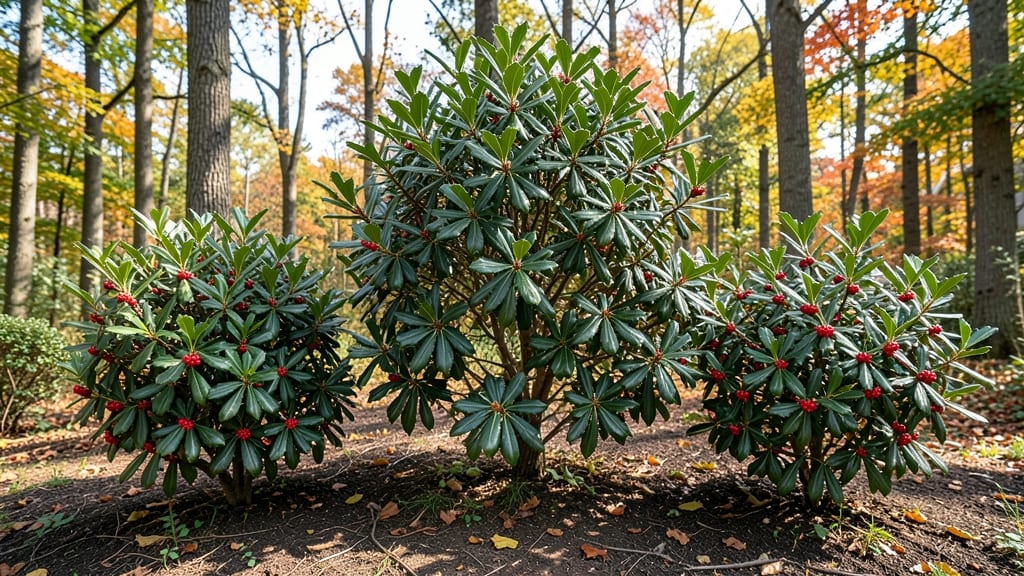
Picture this: a 6-foot-tall holly hedge framing your front door, or a towering 25-foot specimen making a bold statement in your backyard. The difference comes down to whether you pick a dwarf variety for borders or a standard type for privacy screens.
Without the right info, you could end up with a plant that outgrows its spot—or worse, one that stays stubbornly small when you expected a lush screen.
In this guide, I’ll break down the mature heights of the most popular holly varieties, from compact American holly to sprawling English holly, and share how sunlight, soil, and pruning shape their growth.
You’ll also learn how to control height naturally, whether you’re aiming for a neat hedge or a wild, natural look.
By the end, you’ll know exactly which holly fits your yard—and how to keep it thriving at the perfect size.

Holly bush height guide: mature sizes by popular variety
Holly bushes come in a stunning range of heights, from compact dwarf varieties perfect for small gardens to towering giant specimens that make dramatic focal points.
The mature height of your holly depends entirely on its species and variety—some stay under 5 feet, while others can reach 50 feet or more.
Understanding these differences helps you choose the perfect holly for your landscape, whether you need a privacy screen or a specimen plant for your yard.
Below, I’ve categorized 12+ popular holly varieties by their height ranges, including American holly, English holly, and hybrid types. Each variety has unique growth habits, so I’ve also included space requirements and growth rates to help you plan your garden layout.
For example, a dwarf holly like 'Sky Pencil' stays under 3 feet, while a tall holly like 'Blue Prince' can grow up to 20 feet tall.
| Variety | Type | Mature Height | Growth Rate | Best For |
|---|---|---|---|---|
| 'Sky Pencil' | Dwarf | 2–3 ft | Slow (6 in/year) | Containers, borders |
| 'Little Gem' | Dwarf | 3–5 ft | Moderate (12 in/year) | Privacy hedges, small yards |
| 'Dwarf Burford' | Semi-Dwarf | 6–8 ft | Moderate (10 in/year) | Foundation planting, hedges |
| 'Blue Prince' | Tall | 15–20 ft | Fast (18 in/year) | Specimen plant, privacy screen |
| 'American Holly' | Standard | 15–25 ft | Moderate (12 in/year) | Wildlife habitat, large yards |
| 'Ilex 'Nellie R. Stevens' | Hybrid | 10–15 ft | Moderate (10 in/year) | Hedges, mixed borders |
| 'Golden King' | Medium | 8–12 ft | Slow (8 in/year) | Specimen plant, small trees |
| 'Winter Gold' | Medium | 10–15 ft | Moderate (12 in/year) | Year-round color, hedges |
How to choose the right holly bush for your landscapeSelecting the perfect holly bush for your landscape starts with matching its mature height to your space and goals. Whether you need a privacy screen, a wildlife-friendly hedge, or a specimen plant, the right variety ensures your yard stays both beautiful and functional. For example, a dwarf variety like 'Sky Pencil' stays under 6 feet, perfect for small yards, while a tall variety like 'Southern Magnolia Holly' can reach 50 feet, ideal for towering hedges. Your yard's sunlight exposure also plays a critical role. Most holly bushes thrive in partial shade, but some varieties, like the American Holly, tolerate full sun. If your yard is shady, opt for varieties like 'Winter Gem' or 'Blue Prince,' which handle lower light conditions beautifully. Always check the spacing requirements—planting too close can lead to overcrowding and stunted growth. 🌿 Numbered Highlights: Holly Bush Height by Use
Consider your climate zone when choosing a holly bush. Most varieties thrive in USDA Zones 5-9, but some, like the English Holly, are more cold-hardy and can survive in Zone 5. If you're in a warmer climate, varieties like 'Burford Holly' or 'Dwarf Burford' handle heat and humidity well. Always check the pruning needs—some varieties, like 'Sky Pencil,' require minimal pruning, while others, like 'American Holly,' benefit from regular shaping. For privacy screens, aim for varieties that grow 10-15 feet tall, such as 'Burford Holly' or 'Blue Holly.' These create a dense, evergreen barrier that blocks noise and wind. If you're planting near a fence or patio, opt for a compact variety like 'Little Gem' to avoid overgrowth. Always measure your space before planting—holly bushes can outgrow their containers quickly! Don't forget about soil conditions. Holly bushes prefer well-draining soil with a slightly acidic pH (5.0-6.0). Amend heavy clay soil with compost or sand to improve drainage. If your soil is alkaline, consider adding peat moss or sulfur to lower the pH. Mulching around the base of the plant helps retain moisture and keeps roots cool, especially in hot climates. Finally, think about maintenance. Some holly bushes, like 'Sky Pencil,' grow in a narrow, columnar shape and require minimal pruning, while others, like 'American Holly,' develop a rounded form and may need occasional trimming to maintain shape. If you're new to pruning, start with light shaping in early spring to encourage bushier growth. Always use sterilized tools to prevent disease spread. |