
Pruning
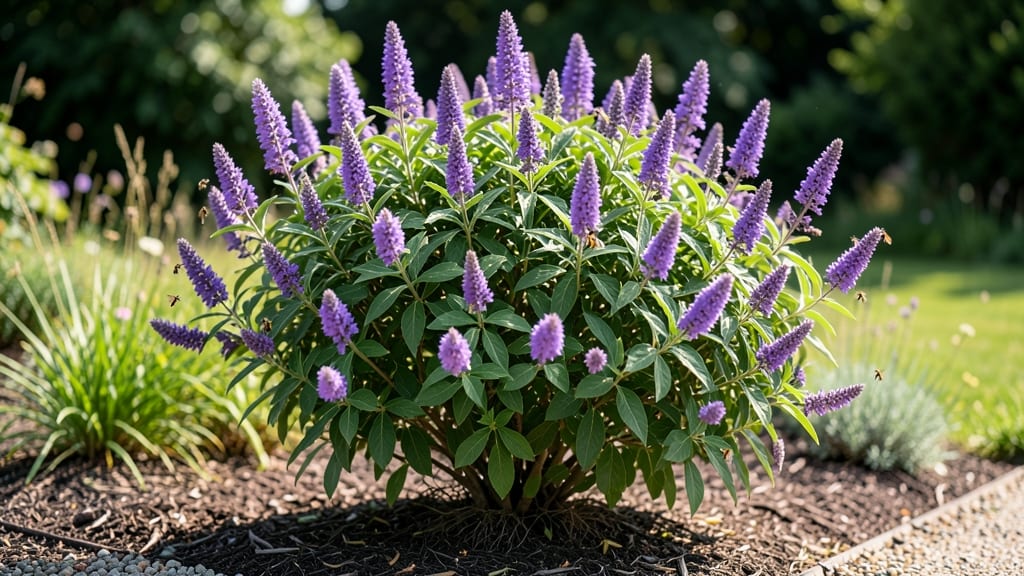
This dearf butterfly bush (Buddleia davidii) exploded into nonstop blooms this summer after I finally mastered deadheading—turns out, those spent flowers were stealing energy from new growth. 🌿 The secret isn’t complicated: snip back the faded clusters consistently, and you’ll trigger waves of fresh blooms all season long.
I went from one sad flush of flowers to six months of vibrant purple-pink clusters that butterflies can’t resist.
Start by planting in full sun where it gets at least 6 hours of direct light daily—partial shade works, but you’ll sacrifice blooms. Well-draining soil is non-negotiable; these bushes hate soggy roots. Once established, they’re drought-tolerant, but water deeply once a week during dry spells.
The real magic happens in late winter when you prune back one-third of the plant to encourage fresh growth—this is where most gardeners mess up.
You’ll know you’re doing it right when your bush becomes a pollinator magnet by early summer. Monarchs, swallowtails, and even hummingbirds will flock to it, and the blooms keep coming until frost.
The only downside? It grows aggressively—prune again in early spring to control size and shape. With the right care, your butterfly bush will outperform store-bought annuals every time.
For those in colder zones, don’t worry—this bush is hardy down to USDA Zone 5. Just protect young plants with mulch in winter, and you’ll have a decades-long performer that pays dividends in beauty and wildlife support.
The key is staying on top of deadheading; once you see the results, you’ll never go back to ignoring those spent blooms again.
📚 In This Guide
- What you need
- Instructions
- Tips and common mistakes
- Wrapping up and next steps
What you need
- ● Pruning shears – Sharp, clean bypass pruners (4-6" blade length) for precision cuts.
- ● Gloves – Heavy-duty gardening gloves (nitrile-coated for grip and protection).
- ● Disinfectant – 70% isopropyl alcohol or diluted bleach (1 part bleach to 9 parts water) to sterilize tools.
- ● Trash bag or bucket – For collecting spent blooms and debris.
- ○ Water spray bottle – Optional but helpful for rinsing tools mid-prune.
- ● Loppers – For thicker stems (if your bush is mature).
- ● Hand pruners – For delicate trimming around dense foliage.
- ● Knee pads – If your bush is ground-level or you’re on your knees often.
- ● Sun hat/sunscreen – For long pruning sessions in the sun.
- ● Choose a clear, dry day (avoid rain or humidity to prevent disease).
- ● Work when the plant is not wilted (early morning is ideal).
- ● Have a sharpener handy to maintain tool sharpness.
How to keep your butterfly bush blooming all season long
Here's how I've turned my butterfly bush from a one-time summer showstopper into a year-round magnet for pollinators.
🌿 Step 1: Understand the Right Pruning Timing
Butterfly bushes bloom on new wood, which means they produce flowers on current season's growth rather than last year's. This is why most bushes only put on one big show in late spring or summer. To extend blooming, I prune right after the first flush of flowers—usually in early to mid-summer. This removes spent blooms but leaves plenty of fresh growth to produce more flowers.
Don't wait until fall to prune—this cuts off potential blooms for next season. I make my first cut when about 20% of the flowers have faded. You'll see the stems with dried-up blossoms first; these are your targets. Use sharp pruners to cut just above a set of leaves or a leaf bud, never leaving stubs.
✂️ Step 2: Master the Deadheading Technique
Deadheading isn't just snipping off dead flowers—it's about encouraging the plant to redirect energy toward new blooms. I use a two-step approach: first, remove the entire spent flower cluster by cutting the stem back to the first set of healthy leaves below it. This prevents seed formation, which saps energy from the plant.
Next, look for any side shoots that might be developing. These are your plant's way of trying to produce more flowers. I pinch off any weak or leggy growth—this forces the plant to focus on strong, flowering stems. Real talk: if you skip this, your bush will put all its energy into making seeds instead of more blooms.
☀️ Step 3: Provide the Right Growing Conditions
Butterfly bushes thrive in full sun to partial shade, but for continuous blooming, I've found they need at least 6 hours of direct sunlight daily. If your bush is in a shadier spot, it'll produce fewer flowers and may even go dormant earlier in the season. Watch for leaves that start turning yellow or stems that grow weak—these are signs it's not getting enough light.
I also make sure the soil stays moist but well-drained. Overwatering leads to root rot, while underwatering stresses the plant and reduces flowering. Mulch around the base with 2-3 inches of organic mulch to retain moisture and regulate soil temperature. This keeps the roots happy and the blooms coming.
🌱 Step 4: Fertilize Strategically for Continuous Blooms
To keep your butterfly bush producing flowers all season, I feed it a balanced, slow-release fertilizer in early spring, then switch to a high-phosphorus formula when the first blooms appear. Phosphorus encourages root and flower development, which is exactly what you want for non-stop blooming. Avoid high-nitrogen fertilizers—they'll give you lots of leaves but few flowers.
I also add a layer of compost around the base in late summer. This gives the plant a gentle nutrient boost without overwhelming it. You'll see the difference in just a few weeks—more buds forming and a bush that looks fuller and healthier. Just don't overdo it; too much fertilizer can burn the roots and set back blooming.
⏰ Step 5: Plan for Seasonal Adjustments
In fall, I give my butterfly bush a light pruning to clean up any dead or diseased branches. This keeps the plant tidy and healthy for next season. I avoid heavy pruning in fall because it can stimulate new growth that won't harden off before winter. Instead, I focus on removing anything that looks damaged or unsightly.
If you live in a colder climate, I recommend wrapping the base of the bush with burlap or mulch to protect the roots from freezing temperatures. This simple step can make a huge difference in how well your bush recovers in spring. In warmer climates, you might not need to do much—just keep an eye on watering and watch for pests that thrive in heat.
Tips & tricks for year-round butterfly bush blooms
These pruning secrets will transform your butterfly bush from a seasonal showstopper into a perpetual pollinator paradise.
Pruning Precision: When you're ready to prune in Step 1, look for that exact 20% faded-flower threshold—this is your cue to act. I've learned the hard way that waiting too long means sacrificing next season's blooms. Use a sharp pair of pruners and make clean cuts just above a leaf bud or set of leaves; this encourages new growth where you want it. Never leave stubs—they can rot and become entry points for pests.
Deadheading Discipline: In Step 2, when removing spent flower clusters, don't just snip off the dead blossoms—cut back to the first healthy leaves below. This might seem drastic, but it's what prevents seed formation that drains your plant's energy. Think of it like giving your bush a fresh start every time you deadhead. I also recommend wearing gloves during this process—those tiny seed pods can be surprisingly persistent!
Sunlight Strategy: The 6 hours of direct sunlight mentioned in Step 3 is non-negotiable for continuous blooming. If your bush isn't getting enough light, consider relocating it or pruning nearby trees/shrubs that might be casting shade. I've seen bushes in partial shade produce maybe 20% of their potential blooms compared to those in full sun. A simple trick: place a solar meter near your bush for a week to track actual sunlight exposure—you might be surprised by how much shade sneaks in.
Fertilizer Timing: When switching to high-phosphorus fertilizer in Step 4, I like to apply it right after my morning watering. This helps prevent root burn while ensuring the nutrients get absorbed immediately. And here's a pro move: mix a handful of bone meal into the soil at the same time—it's packed with phosphorus and will give your bush an extra boost for flower production. Just remember, more isn't better—stick to the recommended amounts to avoid over-fertilizing.
Pro Tips for Dearf Butterfly Bush
- These pruning secrets will transform your butterfly bush from a seasonal showstopper into a perpetual pollinator paradise.
- Pruning Precision: When you're ready to prune in Step 1, look for that exact 20% faded-flower threshold—this is your cue to act.
- Deadheading Discipline: In Step 2, when removing spent flower clusters, don't just snip off the dead blossoms—cut back to the first healthy leaves below.
Frequently asked questions
Got questions about keeping your Buddleja davidii (aka Butterfly Bush) blooming all season long? We’ve got answers! Here are the most common queries from gardeners eager to maximize their plant’s beauty.
When is the best time to deadhead Butterfly Bush for continuous blooms?
Deadhead Buddleja flowers as soon as they start fading—usually in early summer. Repeat every 2–4 weeks to encourage new growth and prolong blooming until frost. Pro tip: Use sharp pruners to avoid damaging stems!
Can I prune Butterfly Bush in fall or winter?
No—wait until late winter or early spring (just before new growth starts) to prune for shape and size. Fall/winter cuts risk frost damage or stunted growth. Trim back by ⅓ to promote vigorous spring blooms.
What should I do if my Butterfly Bush isn’t blooming?
Check these fixes: Over-fertilizing (use low-nitrogen feed), poor sunlight (6+ hours of sun), or lack of pruning. If stems are woody, rejuvenate with a hard prune in spring. Patience helps—some varieties bloom later!
Are there non-invasive Butterfly Bush alternatives?
Yes! Try Buddleja alternifolia (native to Europe) or Lavandula (lavender) for pollinators without spreading risks. For tropical climates, Plumbago auriculata mimics the butterfly effect. Always check local regulations!
Is Butterfly Bush invasive in my area?
It’s banned or restricted in many U.S. states (e.g., California, Oregon) due to aggressive spreading. Before planting, check Invasive Plant Atlas or local nursery guidelines. Native alternatives often work just as well!
Wrapping up and next steps
Mastering the art of deadheading your dearf butterfly bush isn’t just about keeping it blooming—it’s about unlocking its full potential year after year! 🌸 With the right tools, timing, and techniques, you’ll transform your garden into a vibrant haven for pollinators and admirers alike.
Whether you’re a seasoned gardener or just starting, every snip brings you closer to a lush, thriving bush.
Ready to take the next step? Start small—pick one bush to practice on this season! Grab your pruners, follow the tips you’ve learned, and watch your butterfly bush flourish like never before. Happy pruning! ✂️🌿