
Pruning
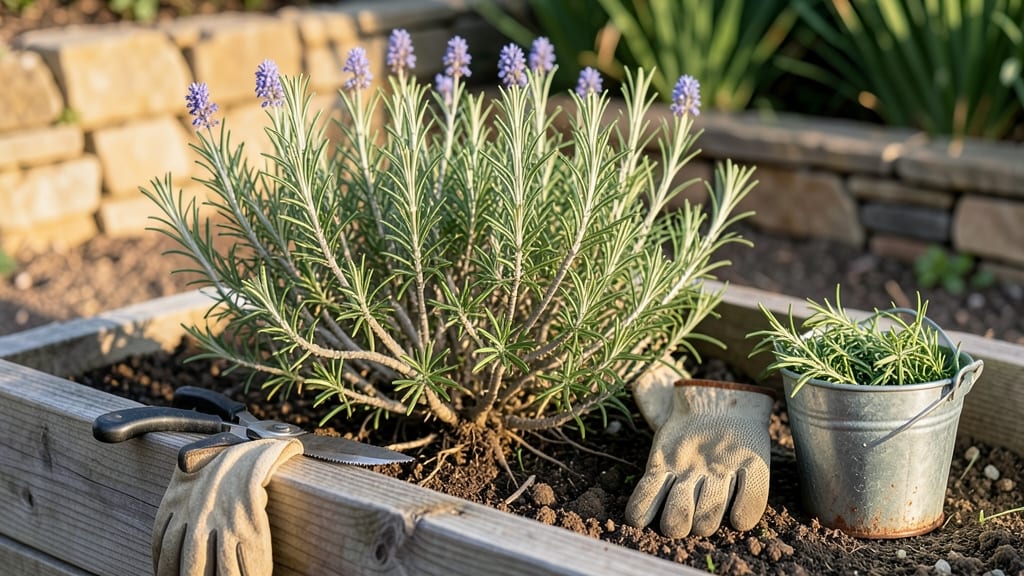
Trimming a rosemary bush isn’t just about keeping it tidy—it’s how you get that year-round fragrance and lush growth that makes your garden smell like a Mediterranean vacation. 🌿 I’ve learned the hard way that skipping these cuts leads to leggy, woody stems that barely produce those piney needles we love.
The secret? Three strategic cuts a year, each timed to boost health and shape.
You’ll need just three tools: sharp pruners for clean cuts, gloves to protect from those sharp needles, and a spray bottle for post-trim hydration. The real magic happens in late winter, right after flowering, and again in early summer—each cut encourages fresh, fragrant growth.
Avoid cutting into old wood (that brown, thick stuff), or you’ll stunt the plant for years.
After trimming, you’ll notice new shoots bursting with bright green needles within weeks, and the bush will fill out beautifully. The key is to cut back by about a third each time, always just above a leaf node.
This simple routine keeps your rosemary thriving, productive, and smelling amazing—no matter the season.
Works for both potted rosemary and in-ground plants, and the same principles apply whether you’re growing upright varieties or trailing types. Once you master these cuts, your rosemary will reward you with abundant harvests and that signature aroma year after year.
📚 In This Guide
- What you need
- Instructions
- Tips and common mistakes
- Wrapping up and next steps
What you need
- ● Bypass pruning shears – Choose sharp, high-quality shears (4-6 inch blades) for clean cuts. Example: Felco F2 or Corona Classic.
- ● Hand pruners – For smaller branches (2-3 inch blades). Example: Fiskars Steel Bypass.
- ● Loppers – For thicker stems (8-10 inch blades). Example: Bahco Forester.
- ● Garden gloves – Thick, cut-resistant gloves (e.g., Mechanix Wear or Felco) to protect hands from thorns.
- ● Disinfectant (70% isopropyl alcohol or diluted bleach) – 1 part bleach to 9 parts water to sterilize tools between cuts and prevent disease.
- ○ Pruning saw (optional) – For very thick woody stems (e.g., 8-10 inch curved blade).
- ● Rake or broom – To clear fallen debris and mulch around the base.
- ● Mulch (pine bark, straw, or wood chips) – 2-3 inches to retain moisture and suppress weeds.
- ● Spray bottle with water – Keeps tools clean and blades sharp during trimming.
- ● Notebook & pen – To jot down notes on growth patterns or pruning dates.
- ● Check the weather forecast – Trim on a dry, overcast day to avoid stressing the plant.
- ● Wear comfortable clothing – Long sleeves and pants to protect from sun and thorns.
- ● Have a bucket or bag handy – For clippings (great for cooking or composting!).
Step-by-step guide to trimming your rosemary bush
Here's how I keep my rosemary bush lush, fragrant, and healthy year-round with just three simple seasonal cuts.
✂️ Step 1: Early Spring Pruning (Late February to Early March)
Start by inspecting your rosemary bush for any dead, brown, or woody stems. These are easy to spot—they'll be brittle and won't snap back when bent. Use sharp pruning shears to cut these stems back to healthy green growth. I like to make my cuts just above a set of leaves where new growth can emerge.
Next, shape the bush by trimming back any overly long or leggy branches. Focus on creating an open center that allows air to circulate—this prevents fungal diseases and keeps your rosemary thriving. You'll want to remove about one-third of the plant's total growth during this first cut. This encourages bushier, denser growth later in the season.
☀️ Step 2: Mid-Summer Maintenance (July to August)
As summer progresses, your rosemary will start to look a bit wild. This is the time for a lighter trim to maintain its shape and encourage new growth. I typically wait until the plant has had a good flush of new growth—you'll see fresh green shoots emerging from the base of the stems.
Trim back the tips of the branches by about 1-2 inches to encourage branching. This is where you'll harvest your rosemary sprigs for cooking, so make sure to leave enough foliage for the plant to continue growing. Avoid cutting into old wood—rosemary doesn't regrow well from bare stems. If you see any flowers starting to form, snip them off too. This redirects the plant's energy into leaf growth instead of seed production.
⏰ Step 3: Late Fall Cleanup (October to November)
In the fall, your rosemary will start to slow down as temperatures drop. This is the time for a final trim to prepare the plant for winter. Start by removing any dead or diseased branches first—these can harbor pests or diseases over the winter months.
Next, trim back the overall shape of the bush by about one-third again. This helps the plant maintain its form and reduces the risk of wind damage during winter storms. Avoid heavy pruning now—you don't want to stress the plant before it enters dormancy. Finish by giving your rosemary a good shake to remove any debris or old leaves that might have collected.
🌿 Step 4: Winter Check-In (December to February)
During the winter months, rosemary typically goes dormant, especially in colder climates. This is the time to give your bush a gentle check-in rather than a full pruning. Look for any branches that have died back completely—these can be removed to make room for new growth in the spring.
If your rosemary is in a pot, this is also a good time to check the soil moisture. Rosemary prefers drier conditions in the winter, so only water when the top 1-2 inches of soil feel dry to the touch. Avoid fertilizing during this period—your plant is resting, not growing. A light trim of any overly long branches can help maintain the shape without stressing the plant.
Tips & tricks for perfect rosemary bush trimming
Keeping your rosemary thriving takes just a few smart seasonal cuts—and avoiding these common mistakes makes all the difference.
Timing is Everything: The early spring cut in late February to early March is your most important prune of the year. This is when rosemary wakes up from winter dormancy and needs that one-third growth removal to encourage dense, bushy regrowth. I've learned the hard way that skipping this step leads to leggy, sparse bushes by summer—don't make my mistake! The key is to prune when you see fresh green shoots emerging but before the plant gets too leggy.
Tool Selection Matters: Never use dull scissors or hedge clippers on your rosemary—they crush stems and create jagged cuts that invite disease. Invest in a good pair of bypass pruning shears with sharp blades. I keep a small pair dedicated just to my rosemary bush. For larger branches, use loppers with clean cuts at a 45-degree angle just above a leaf node. Always sterilize your tools with rubbing alcohol between cuts to prevent spreading any potential pathogens.
Seasonal Adjustments: In mid-summer when you're doing your 1-2 inch tip trims, watch for those flower buds forming. Snipping them off redirects the plant's energy into leaf production rather than seed development. This is also when you should harvest sprigs for cooking—always cut just above a leaf node to encourage branching. In fall, that final one-third trim helps the plant prepare for winter by maintaining its shape without overstressing it before dormancy.
Winter Care Secret: During the winter check-in, if your rosemary is in a pot, this is the perfect time to check soil moisture. Rosemary in winter prefers drier conditions—only water when the top 1-2 inches feel dry. I've found that many people overwater in winter, thinking the plant needs more moisture, but this actually causes root rot. A light trim of any overly long branches maintains shape without stressing the plant during its dormant period.
Pro Tips for Rosemary Bush Trimming
- Keeping your rosemary thriving takes just a few smart seasonal cuts—and avoiding these common mistakes makes all the difference.
- Timing is Everything: The early spring cut in late February to early March is your most important prune of the year.
- Tool Selection Matters: Never use dull scissors or hedge clippers on your rosemary—they crush stems and create jagged cuts that invite disease.
Frequently asked questions
Got questions about keeping your rosemary bush lush and fragrant? Here are some of the most common ones—plus the answers you need to trim like a pro!
When is the best time to trim rosemary?
Trim rosemary in early spring (just as new growth starts) and again after flowering in late spring or early summer. A light touch-up in fall helps shape the bush for winter. Avoid heavy pruning in late summer—it can stress the plant before cold weather.
How much can I trim off without harming the plant?
Never cut more than 1/3 of the plant’s total height in one session. For established bushes, aim to remove 1/4 to 1/3 of the oldest growth to encourage bushier, healthier regrowth. Over-trimming can expose woody stems and reduce fragrance.
Can I trim rosemary in winter?
Light trimming in mild winter months (if your climate allows) can remove dead or damaged branches, but avoid heavy cuts. Cold snaps can weaken the plant, so wait until spring for major shaping. Hardy varieties (like Rosmarinus officinalis) tolerate light winter pruning better than tender types.
What should I do if my rosemary looks leggy after trimming?
Leggy growth often means the plant needs more light or less water. After trimming, move it to a sunnier spot (6+ hours of direct sun daily) and let the soil dry slightly between waterings. Pinch back new growth tips in spring to encourage bushier sideshoots.
Can I propagate rosemary from trimmings?
Use 4–6 inch cuttings from healthy, non-flowering stems. Remove lower leaves, dip in rooting hormone (optional), and plant in well-draining soil. Keep moist and in bright, indirect light until roots form (4–6 weeks). Perfect for free fragrant bushes!
Wrapping up and next steps
Trimming your rosemary bush isn’t just about keeping it neat—it’s the secret to year-round fragrance and lush growth. By mastering the three seasonal cuts (spring, summer, and fall), you’ll encourage vibrant foliage, prevent woody stems, and enjoy that signature piney aroma all year.
Whether you’re a green thumb or just starting, a little regular care goes a long way!
Ready to transform your garden? Grab your shears and schedule your first trim this weekend! 🌿✂️ Start small, stay consistent, and watch your rosemary thrive—your kitchen (and pollinators) will thank you.