
Pruning
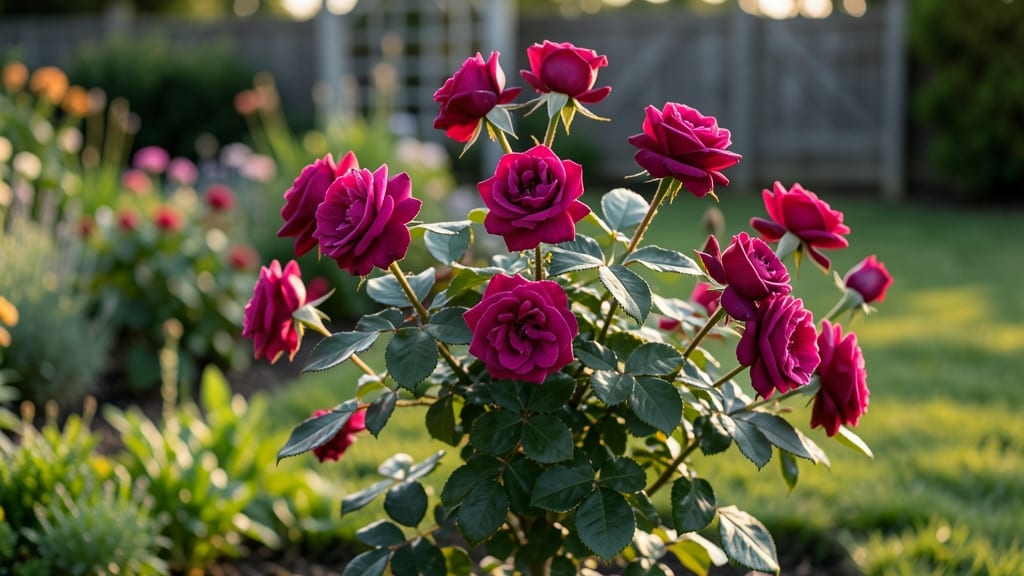
The McCartney rose bush delivers 300 blooms per season with that signature apple-blossom fragrance. 🌹 I've pruned these roses for years, and the secret to their nonstop flowering lies in timing—cutting at the right moments keeps them compact, fragrant, and free of dead wood.
What most gardeners miss is how winter pruning sets up summer abundance. This variety thrives in full sun but tolerates partial shade, making it perfect for small gardens or urban patios. The disease-resistant canes produce clusters of soft pink blooms that last from early summer through frost.
My bushes produce so many cut flowers, I give away bouquets to neighbors—no wonder they're called "the gardener's rose." The real magic happens when you prune three times a year: a light trim after flowering, a mid-season shape-up, and a hard cutback in late winter.
You'll see fresh green shoots within weeks, each one capable of producing 5-7 blooms. The fragrance alone makes the effort worth it. Works in zones 4-9, though colder climates need extra winter protection. Here's how to keep yours blooming like mine—no black thumb required.
📚 In This Guide
- What you need
- Instructions
- Tips and common mistakes
- Wrapping up and next steps
What you need
- ● Pruning shears: Bypass pruners (sharp, clean, and sterilized with rubbing alcohol or bleach to prevent disease). Recommended: Felco or Fiskars.
- ● Loppers: For thicker stems (up to ½ inch in diameter). Look for ratcheting or bypass types for precision.
- ● Garden gloves: Heavy-duty, cut-resistant (e.g., Pip Boys or Foxelli) to protect from thorns.
- ● Disinfectant: 1 part bleach to 9 parts water (for sterilizing tools between cuts).
- ○ Pruning sealant (optional but helpful): Wound paint (e.g., Tanglefoot Tree Wound Pruning Sealer) to prevent disease entry on larger cuts.
- ● Garden twine or tape: For tying down heavy canes if needed (10–15 feet per bush).
- ● Trash bags or bucket: For collecting pruned debris (1–2 large bags per bush).
- ● Knowledge: Familiarize yourself with the McCartney Rose’s growth habits (hybrid tea rose; blooms on new wood).
- ● Weather check: Prune on a dry, overcast day (avoid frost or extreme heat).
- ○ Optional: Hand pruners (for small stems, ¼ inch or less).
- ● Rake or leaf blower (to clear debris post-pruning).
- ● Rose fertilizer (e.g., Espoma Rose-Tone) for post-pruning feeding.
- ● Mulch (2–3 inches of organic mulch like shredded bark to retain moisture).
Instructions for pruning a McCartney rose bush
Here’s how to keep your McCartney rose bush blooming abundantly while maintaining its signature fragrance—season by season.
✂️ Step 1: Prune for Spring Growth
Start pruning in late winter or early spring before new growth begins. Remove dead, diseased, or crossing branches first—these compete for energy and can block airflow. Use clean, sharp pruners to make cuts at a 45-degree angle just above an outward-facing bud, about ¼ inch above it. This encourages strong, outward growth and prevents water from pooling on the cut.
Cut back last year’s stems by one-third, focusing on older canes first. The McCartney rose responds well to this aggressive spring trim, so don’t fear cutting boldly—it rewards you with lush, fragrant blooms. After pruning, spray the cuts with fungicide to prevent infection, especially if your climate is damp.
☀️ Step 2: Summer Maintenance for Continuous Blooms
Throughout summer, check your McCartney rose weekly for spent blooms. Deadhead faded flowers by cutting back to the first five-leaflet leaf below the bloom. This redirects the plant’s energy into producing more flowers instead of seed pods. Avoid cutting into old wood—always leave at least 3-4 healthy buds on each stem.
Watch for overcrowded canes—if two stems grow too close, prune the weaker one at the base. Thin out branches that rub against each other, as these wounds invite pests and disease. If your rose starts looking leggy, trim the longest stems by half to encourage bushier growth. Mulch around the base with 2-3 inches of organic mulch to retain moisture and protect roots.
✂️ Step 3: Light Pruning in Fall
In fall, reduce pruning to light maintenance—remove only dead, damaged, or diseased wood. Avoid heavy cuts now, as the plant needs to harden off for winter. Focus on shaping the bush by trimming back any stems that grew too long or became unruly. Cut just above a bud, but leave stronger canes intact to support next year’s blooms.
This is also the time to clean up debris around the base—remove fallen leaves and spent blooms to reduce overwintering pests. Apply a thin layer of compost around the roots to nourish the soil for spring. If your climate is cold, consider wrapping the bush with burlap or a rose cone to protect it from harsh winds and frost.
⏰ Step 4: Winter Pruning for Next Season’s Growth
If you live in a mild winter zone, you can prune lightly in January or February to shape the bush. Remove any dead wood or stems that were damaged by frost. Cut back weak, thin canes to encourage stronger growth. Avoid heavy pruning—wait until spring for the bulk of the work. The McCartney rose’s delicate blooms thrive when given time to establish new growth.
This is also the time to plan your pruning strategy for spring. Sketch a rough outline of your desired shape—whether it’s a rounded bush or a taller, more formal look. Pruning in winter helps you visualize how the rose will fill out in the coming season. Keep your tools clean and sharp** to make precise cuts that heal quickly.
Tips & tricks for perfect McCartney rose bush pruning
Here’s what nobody tells you about keeping your McCartney rose thriving—season after season.
Timing is Everything: The late winter or early spring timing in Step 1 is crucial because it aligns with the rose’s natural dormancy period. If you prune too early, you risk damaging new growth that’s just starting to emerge. I’ve seen roses struggle when pruned before the last frost—wait until you see the first signs of buds swelling. For zones with unpredictable springs, set a reminder for the first week of March as a safe bet.
The 45-Degree Angle Matters: That precise 45-degree angle in Step 1 isn’t just about looks—it’s about directing water runoff away from the cut. When you make a clean, angled cut just above an outward-facing bud, you create a natural shield that prevents water from pooling and causing rot. I learned this the hard way after seeing several cuts develop fungal issues. Use a small mirror to check your angle if you’re unsure—it should look like a slice of pizza, not a flat chop.
Summer Deadheading Secret: When deadheading in Step 2, focus on cutting back to that first five-leaflet leaf below the bloom. This might seem like a small detail, but it’s what keeps your rose producing continuously. I’ve noticed that roses deadheaded to just the bud cluster often stop blooming for weeks while they recover. The five-leaflet target gives the plant enough energy reserves to bounce back quickly with new flowers.
Winter Planning Pays Off: That winter planning tip in Step 4 is actually my favorite—sketching your desired shape helps you visualize the final result. I’ve found that when I don’t plan ahead, I end up with an uneven bush where some branches are too long and others are too sparse. Use colored pencils to mark where you’ll make cuts, and you’ll see exactly how the rose will fill out by summer. This simple step has transformed my pruning from guesswork to precision gardening.
Pro Tips for Mccartney Rose Bush
- Here’s what nobody tells you about keeping your McCartney rose thriving—season after season.
- Timing is Everything: The late winter or early spring timing in Step 1 is crucial because it aligns with the rose’s natural dormancy period.
- The 45-Degree Angle Matters: That precise 45-degree angle in Step 1 isn’t just about looks—it’s about directing water runoff away from the cut.
Frequently asked questions
When is the best time to prune a McCartney rose bush?
The ideal time is late winter or early spring (just before new growth starts). For light shaping, you can prune in summer after flowering—but avoid heavy cuts then, as it may reduce fall blooms. Never prune in fall; it leaves the bush vulnerable to winter damage.
How much should I cut back a McCartney rose bush?
For mature bushes, remove 1/3 of the oldest canes (cut to the ground) and shorten remaining stems by 1/3 to 1/2. Young bushes (under 2 years) need minimal pruning—just remove dead or crossing branches. Never cut more than 1/3 of the plant at once!
Can I prune a McCartney rose bush in fall?
Pruning in fall is not recommended because it stimulates new growth that can’t harden off before winter. If you must prune, do it lightly in late fall (after leaf drop) to remove only dead/diseased wood. Wait until spring for major cuts.
Why aren’t my McCartney roses blooming as much as they should?
Over-pruning, poor sunlight (6+ hours/day needed), or nutrient deficiencies (like low phosphorus) can reduce blooms. Also, check for deadheading—removing spent flowers encourages more blooms. If blooms are sparse, feed with rose fertilizer in spring and mid-summer.
What if my McCartney rose bush gets powdery mildew after pruning?
Powdery mildew thrives in humid, shaded conditions. Improve airflow by pruning for open centers and avoid overhead watering. Treat with neem oil or fungicide if needed. Clean pruners with rubbing alcohol between cuts to prevent spreading spores.
Are there alternatives to traditional pruning for McCartney roses?
Yes! Try the “candelabra method”—prune to leave 3–5 strong canes with 3–5 buds each, creating a tiered shape. For low-maintenance care, skip heavy pruning and just remove dead wood and crossing branches. Less pruning = fewer blooms but easier upkeep!
Wrapping up and next steps
Your McCartney Rose Bush is now primed for year-round beauty and fragrance! 🌹 By mastering seasonal pruning—whether it’s the bold cuts of winter or the delicate shaping of summer—you’re not just tending to a plant; you’re cultivating a living masterpiece.
Remember, patience and consistency are key, and every snip brings you closer to a thriving, fragrant garden.
Ready to take the next step? Bookmark this guide and schedule your first pruning session—your roses will thank you with blooms that steal the show! 🌿✨