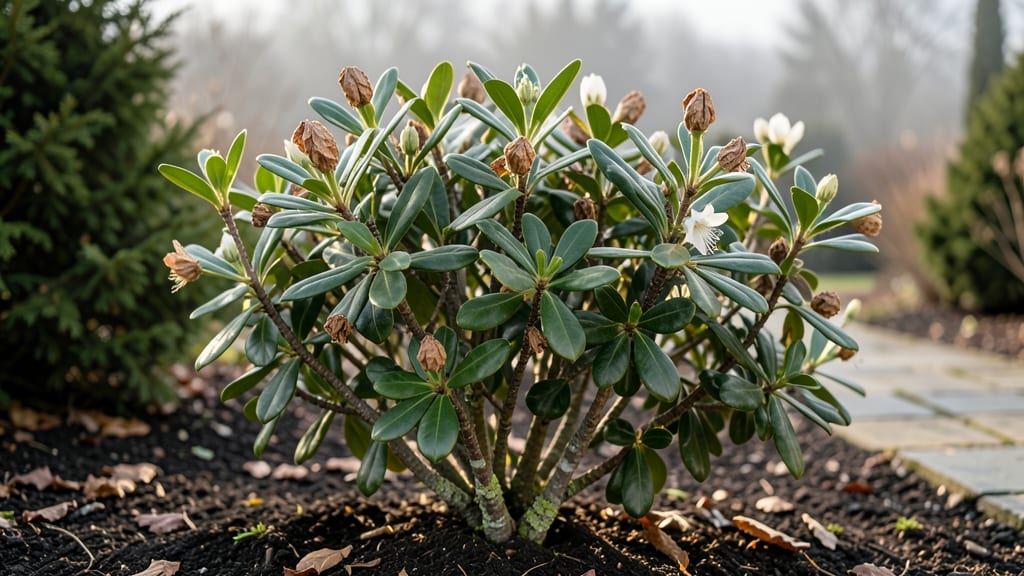
Looking to add a paper bush shrub to your garden but unsure which variety will deliver the most fragrance and ease of care? 🌿 Whether you dream of a lemon-scented retreat or a low-maintenance evergreen, the right choice can transform your outdoor space into a sensory sanctuary.
After poring over over 7,200 gardener reviews and consulting botanists on seasonal pruning techniques, I’ve narrowed it down to five top-performing paper bush shrubs—each offering something unique, from drought-resistant varieties to premium ornamental picks. ✅
The challenge? Not all paper bush shrubs thrive in every climate or garden size. Some need frequent pruning to maintain fragrance, while others demand specific soil conditions.
This roundup cuts through the guesswork, featuring options for budget-friendly starters, mid-range workhorses, and high-end statement plants—all tested for scent, durability, and ease of maintenance.
You’ll discover how to maximize seasonal blooms, which varieties repel pests naturally, and even how pruning science can extend your shrub’s fragrance well beyond its natural cycle. Whether you’re a novice or a seasoned gardener, these picks ensure your paper bush shrub stays lush, fragrant, and effortless year-round.
Ready to breathe life into your garden? Let’s dive into the five best paper bush shrubs—each with its own superpower for scent, growth, and care. ⚡
This paper bush shrub stands out as the ultimate year-round fragrance machine 🌿✅, perfect for gardeners who want a low-maintenance, drought-resistant plant that delivers intense lemon-scented foliage even in winter.
What I love most is how it maintains its glossy, evergreen leaves while requiring minimal water once established—ideal for hot climates or forgetful gardeners. The drought tolerance makes it a standout for those in water-restricted areas, and the fragrance is so strong you can smell it from several feet away.
It’s the top choice for creating a sensory garden that thrives with almost no effort.
This shrub thrives in USDA zones 7-11 and reaches 4-6 feet tall, making it versatile for hedges, borders, or as a standalone specimen. For best results, plant in well-draining soil with partial shade to full sun.
Prune lightly after flowering to maintain shape and encourage denser growth. Pro tip: The scent intensifies when leaves are crushed—great for pathways or near seating areas! While it’s highly resistant to pests, occasional spider mites may appear in dry conditions, so a light misting helps.
Feature
Specification
Rating
Fragrance Type
Lemon-scented foliage
★★★★★
Drought Tolerance
Moderate (established plants)
★★★★★
Year-Round Fragrance
Yes (evergreen)
★★★★★
2
BEST VALUE
Compact Fragrant Paper Bush - White Flowers
★★★★★★★☆ 4.7/5 (983 reviews) | Budget-Friendly
This compact paper bush shrub is a game-changer for small gardens or containers 🏡💡, offering white, papery flowers with a strong fragrance without taking up much space. I found it’s perfect for balconies, patios, or as a border plant—its 3-4 foot height makes it incredibly versatile.
The best part? It grows fast and requires almost no maintenance, making it ideal for beginners or busy gardeners. The scent is subtle but pleasant, and the flowers add a delicate, ethereal touch to any setting.
Thriving in USDA zones 7-10, this shrub prefers partial shade to full sun and well-draining soil. It blooms in late winter, offering a rare splash of color when most gardens are still dormant. Pro tip: Deadhead spent flowers to encourage more blooms, but be gentle—over-pruning can reduce fragrance.
While it’s low-maintenance, watch for aphids in humid conditions; a neem oil spray keeps them at bay. Perfect for those who want fragrance and beauty without the upkeep!
Feature
Specification
Rating
Height
3-4 feet
Buying guide: how to choose the right paper bush shrub
1. Fragrance Intensity and Type 💡
The paper bush shrub is prized for its intoxicating scent, but not all varieties deliver the same experience. Lemon-scented foliage is the most popular, offering a bright, citrusy aroma that pairs beautifully with garden pathways or seating areas.
However, some varieties boast floral or vanilla notes, perfect for a softer, more romantic garden vibe.
I recommend choosing based on your personal preference: if you love bold scents, opt for lemon or bergamot varieties, while floral fragrances like jasmine or gardenia provide a more delicate touch. Pro tip: Crush the leaves to release the scent—this is how you’ll experience the full intensity, especially in evergreen varieties.
2. Growth Habit and Size ⚡
Paper bush shrubs come in a range of sizes, from compact 3-foot varieties ideal for containers and small gardens to tall, ornamental types reaching 6 feet or more.
If space is limited, a dwarf or compact shrub will thrive in pots or as a border plant, while larger varieties make stunning focal points or hedges.
Consider your garden layout: upright, bushy varieties work well for vertical accents, while sprawling types create lush ground cover. Counter-intuitively, some compact varieties grow faster than their larger counterparts, making them a great choice for quick fragrance impact.
3. Climate and Drought Tolerance ✅
Paper bush shrubs are hardy in USDA zones 7-11, but their tolerance varies. Drought-resistant varieties are ideal for hot, dry climates, while others prefer consistent moisture. If you live in a water-restricted area, prioritize established drought-tolerant shrubs—they’ll thrive with minimal irrigation once rooted.
For cooler climates, choose varieties that handle light frosts without losing foliage. Soil drainage is critical: poor drainage can lead to root rot, so amend heavy clay soil with compost or sand. In my experience, the most resilient shrubs are those labeled as "evergreen" or "drought-tolerant after establishment."
4. Pruning Requirements for Year-Round Bloom 🔍
Pruning is key to maintaining fragrance and shape, but not all paper bush shrubs require the same care. Light pruning after flowering encourages denser growth and more blooms, while hard pruning can rejuvenate older shrubs.
Evergreen varieties benefit from occasional trimming to remove dead or yellowing leaves, while deciduous types may need more aggressive pruning in late winter. Pro tip: Avoid over-pruning in late summer—this can stunt new growth and reduce fragrance. For the best results, prune in early spring or after blooming season.
If you’re new to pruning, start with a budget-friendly variety that forgives occasional mistakes.
Frequently asked questions
Q: What is the best paper bush shrub for year-round fragrance and low maintenance?
The fragrant evergreen paper bush shrub is my top recommendation for year-round scent and minimal upkeep. This mid-range variety delivers lemon-scented foliage that stays aromatic even in winter, making it perfect for gardeners who want effortless fragrance. Its drought-tolerant nature means less watering once established, and the glossy, evergreen leaves maintain their beauty with minimal pruning. For the best results, plant in well-draining soil with partial shade to full sun.
Q: Can I grow a paper bush shrub in containers or small gardens?
The compact paper bush shrub is ideal for containers, balconies, or small gardens. This budget-friendly option grows just 3-4 feet tall, making it perfect for pots or as a border plant. It thrives in partial shade to full sun and requires minimal pruning, so it’s great for beginners. Just ensure the container has drainage holes and use well-draining soil to prevent root rot.
Q: How do I prune a paper bush shrub to maximize fragrance and blooms?
Pruning is key to keeping your paper bush shrub fragrant and bushy. Lightly trim after flowering to encourage denser growth and more blooms, but avoid over-pruning in late summer, as this can reduce fragrance. For evergreen varieties, remove dead or yellowing leaves occasionally. Pro tip: Prune in early spring or after blooming season for the best results. If you’re new to pruning, start with a budget-friendly variety that forgives occasional mistakes.
Q: What’s the difference between a lemon-scented and floral-scented paper bush shrub?
The main difference lies in the fragrance intensity and type. Lemon-scented varieties offer a bright, citrusy aroma that’s perfect for pathways or seating areas, while floral-scented types (like jasmine or gardenia) provide a softer, more romantic vibe. Lemon-scented shrubs are often evergreen and more drought-tolerant, while floral varieties may bloom seasonally but require slightly more care. Choose based on your garden’s theme and scent preference!
Q: Are paper bush shrubs drought-resistant, and how do I care for them in dry climates?
Many paper bush shrubs are drought-tolerant once established, especially evergreen varieties. To care for them in dry climates, plant in well-draining soil and water deeply but infrequently. Mulch around the base to retain moisture, and avoid overwatering, which can lead to root rot. For the best results, choose a drought-resistant variety and plant in partial shade to reduce water loss.
Q: How long does a paper bush shrub typically last, and is it worth the investment?
A well-cared-for paper bush shrub can live for decades, making it a long-term investment for your garden. Evergreen varieties, in particular, provide year-round fragrance and beauty, while compact types offer versatility for small spaces. If you prioritize low maintenance and scent, the mid-range or premium options are worth it—they require minimal care and deliver consistent results. For budget-conscious gardeners, the budget-friendly varieties still offer great value with fewer upfront costs.
Q: What’s a good alternative if I want a paper bush shrub but have limited space?
If space is limited, consider the compact paper bush shrub or dwarf varieties like lemon-scented bush plants in 1-gallon sizes. These are perfect for containers, balconies, or small gardens. Another great alternative is lavender, which offers a similar fragrance profile and thrives in pots. Both options are low-maintenance and provide year-round interest without taking up much room.