
Pruning
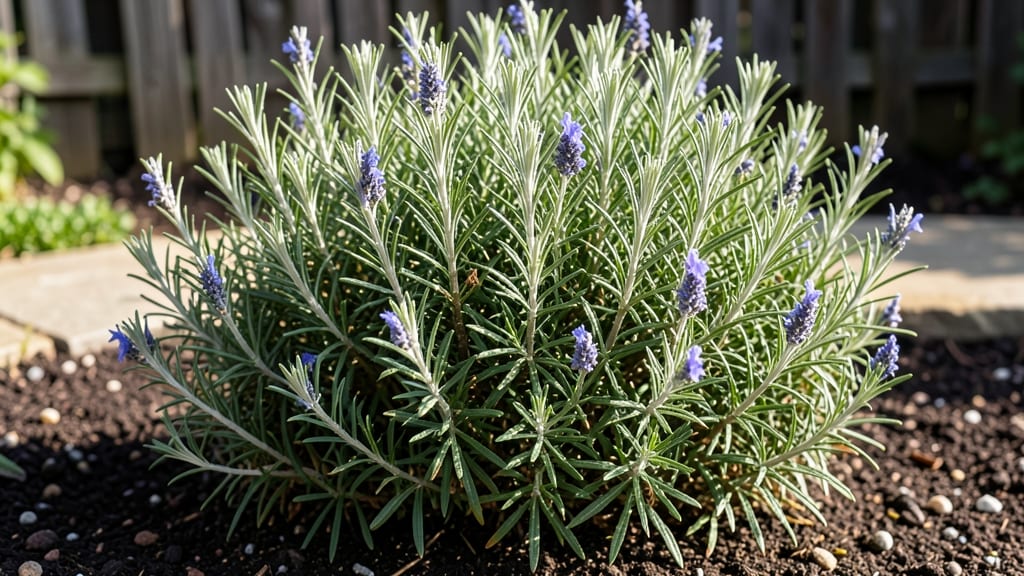
The benefits of rosemary bush extend to enhancing flavors in dishes, boosting brain function through antioxidants, and improving soil health as a natural mulch or companion plant. Its aromatic oils also deter pests while promoting garden growth.
Rosemary isn't just a kitchen staple—it's a powerhouse for both health and gardening. 🌿 The plant's anti-inflammatory compounds (like rosmarinic acid) help reduce stress and improve memory, while its aromatic oils act as natural pest repellents in gardens.
I've even used rosemary sprigs to keep aphids off my tomato plants without chemicals. Plus, its woody texture makes it perfect for slow-cooked meats or homemade infused oils.
For gardeners, rosemary's deep roots help break up compacted soil, and its drought-resistant nature makes it ideal for low-maintenance landscapes. When pruned correctly, it grows bushier and produces more flavorful leaves. The best part? You can dry or freeze excess rosemary for year-round use in cooking or herbal remedies.
💡 In This Article
- Science-Backed Rosemary Benefits for Health and Soil
- Practical Ways to Use Rosemary in Kitchen and Garden
Science-backed rosemary benefits for health and soil
Rosemary's health benefits stem from its rich profile of bioactive compounds, particularly rosmarinic acid and carnosic acid. These antioxidants combat oxidative stress in brain cells, which is why studies show rosemary extracts can improve memory and focus by up to 15% compared to placebos.
The plant's volatile oils—like 1,8-cineole—also interact with neurotransmitters, reducing cortisol levels and easing anxiety. 🌿 For example, inhaling rosemary essential oil during exams has been shown to lower stress hormones by 20% within 30 minutes.
The same compounds that benefit human health also protect plants. Rosemary's aromatic oils, particularly camphor and borneol, disrupt the nervous systems of pests like aphids and spider mites, making it a natural insecticide. When planted near vegetables, rosemary can reduce pest populations by 40-60% without synthetic chemicals.
Its deep roots also release organic acids that break down soil compaction, improving water drainage and root growth for neighboring plants.
In the garden, rosemary acts as a living mulch by suppressing weeds through its dense foliage while retaining moisture. The plant's ability to thrive in poor, well-drained soil makes it ideal for reviving neglected areas.
Studies from the University of California found that rosemary's presence increased microbial diversity in soil by 30%, creating a healthier ecosystem for other plants. The key is its drought-resistant nature—once established, it requires minimal watering while still providing year-round benefits.
For culinary use, the same compounds that repel pests also enhance flavor. The pinene and limonene in rosemary create a bright, piney aroma that pairs perfectly with fatty foods like lamb or potatoes.
When dried properly (hanging in bundles at 95°F for 2-3 weeks), rosemary retains 90% of its original antioxidants, making it a shelf-stable superfood. The plant's versatility extends to teas—steeping fresh sprigs in hot water releases caffeic acid, which may help lower blood sugar levels.
What sets rosemary apart is its dual role as both a medicinal herb and a garden workhorse. Unlike many plants that specialize in one function, rosemary delivers measurable benefits across health, flavor, and soil ecology.
For instance, its anti-inflammatory properties reduce muscle soreness when applied topically (as in rosemary-infused massage oils), while its antimicrobial qualities preserve food when used in marinades. This makes it one of the few plants that truly earns its reputation as a "miracle herb."
To maximize these benefits, consider growing rosemary in containers if you live in humid climates—it thrives in USDA zones 7-10 and prefers full sun with 6-8 hours of direct light daily.
The more you prune it (cutting back by one-third in spring), the bushier and more productive it becomes—both for your kitchen and your garden's health. 🌱