
Container Gardens
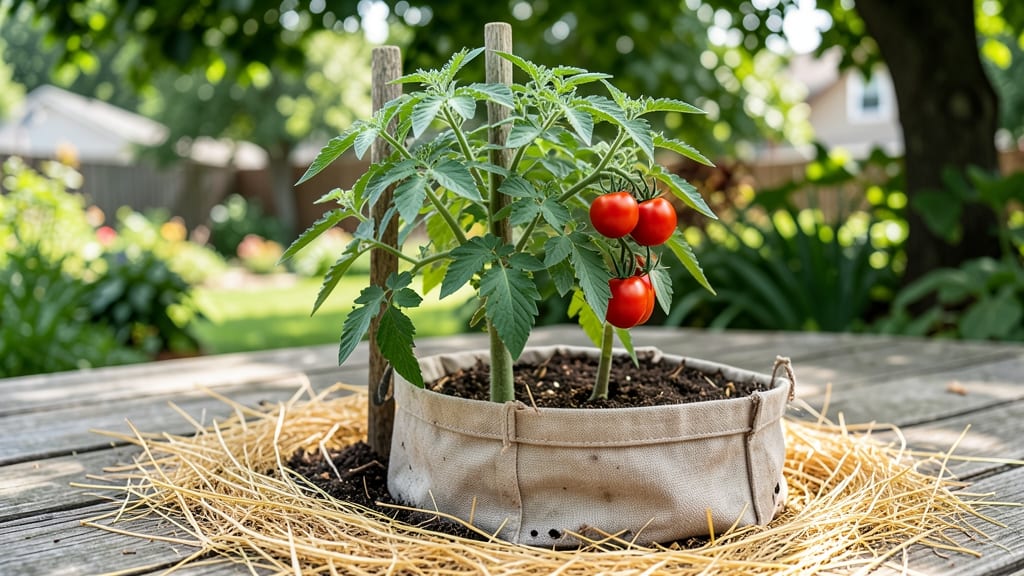
Bush Goliath tomatoes in containers produce 5-10 pounds of fruit per plant—no sprawling vines needed. 🌱 I’ve grown them in pots for three seasons now, and the secret isn’t just the container size, but how you prune to keep energy focused on those massive, meaty tomatoes.
The first year, I nearly gave up when my plants looked leggy and underwhelming, but after adjusting my pruning routine, I went from a handful of small tomatoes to a bounty that fed my family for weeks.
Start with a 5-gallon container (minimum) and fill it with a well-draining potting mix mixed with compost. Bush Goliaths thrive in full sun, so place your pots where they’ll get 6-8 hours of direct sunlight daily.
Water deeply when the top inch of soil feels dry, but avoid soggy roots—this variety hates wet feet. The real game-changer? Pruning suckers early and pinching back the main stem to encourage bushier growth. This keeps the plant compact and directs energy into fruit production, not just foliage.
By mid-summer, you’ll see clusters of 2-3 pound tomatoes ripening simultaneously, and the flavor? Rich, sweet, and meaty enough to slice for sandwiches or roast whole. The best part? No trellis needed—the plants stay contained, making them perfect for balconies, patios, or small spaces.
Even in hot climates, container growing gives you control over soil moisture and temperature, which means fewer cracked fruits and more consistent harvests.
If you’ve ever struggled with tomatoes sprawling everywhere or producing tiny, flavorless fruit, this method flips the script. The key is consistent pruning and proper watering—skip either, and you’ll end up with a plant that looks healthy but produces little.
But get it right, and you’ll have the most productive tomato plants in your neighborhood, all without sacrificing space. Ready to try it?
📚 In This Guide
- What you need
- Instructions
- Tips and common mistakes
- Wrapping up and next steps
What you need
- ● Container: At least 5-gallon capacity (18+ inches deep)—bigger is better for multiple plants. Use fabric grow bags, ceramic, or plastic with drainage holes.
- ● Potting Mix: High-quality, well-draining mix (avoid garden soil). Look for blends labeled for vegetables or tomatoes (e.g., FoxFarm Ocean Forest or Miracle-Gro Potting Mix).
- ● Bush Goliath Tomato Seeds or Seedlings: 2–3 plants per container (if using seeds, start indoors 6–8 weeks before last frost).
- ● Drainage: Pebbles, broken pottery, or mesh (1–2 inches) at the container’s bottom to prevent root rot.
- ● Tomato Cages or Stakes: 4–6 ft tall (even though they’re bush varieties, support helps with weight and airflow).
- ● Fertilizer: Balanced, slow-release fertilizer (e.g., 10-10-10 or 5-5-5) or liquid tomato feed (like Fish Emulsion).
- ● Mulch: Straw or shredded leaves (1–2 inches) to retain moisture and suppress weeds.
- ● Self-watering system: A wicking bed or drip irrigation to keep soil consistently moist.
- ● Epsom salt: 1 tablespoon per plant (mixed into soil) for magnesium boost.
- ● Pruning shears: For compact pruning (though Bush Goliaths need less than vining types).
- ● Reflective mulch: White plastic sheeting around the base to deter pests.
- ● Grow lights: If starting seeds indoors (12–16 hours of light/day).
Step-by-Step instructions for growing Bush Goliath tomatoes in containers
Here’s how to coax maximum fruit from these compact powerhouses—without the sprawl.
🪴 Step 1: Select the Right Container and Soil Mix
Bush Goliaths need at least a 5-gallon container (5-gallon buckets work perfectly) with multiple drainage holes—their roots despise soggy feet. I use terra cotta pots because they wick away excess moisture better than plastic. Fill the bottom third with grow stones or broken pottery to prevent compaction and improve drainage.
Next, blend 2 parts premium potting mix with 1 part compost for nutrients and 1 part perlite to keep roots aerated. Avoid garden soil—it compacts in containers and strangles roots. Moisten the mix until it’s damp like a wrung-out sponge, but not dripping. This ensures roots establish quickly without drowning.
🌱 Step 2: Plant and Stake for Support
Dig a hole twice as wide as the root ball but no deeper than the pot’s original level. Gently remove the tomato from its nursery pot and tease apart any circling roots—this encourages outward growth into the container. Place the plant so the stem sits just below the soil line (burying too deep causes rot).
Install a 6-foot bamboo stake or spiral tomato cage immediately—Bush Goliaths may be compact, but their fruit gets heavy. Tie the main stem loosely to the stake with soft plant ties (I use old T-shirts cut into strips). Avoid tight knots; stems need room to grow. Water deeply right after planting to settle the soil and eliminate air pockets around roots.
☀️ Step 3: Prune for Compact Growth and Maximum Fruit
Here’s where the magic happens: prune aggressively but strategically. When the plant reaches 18 inches tall, pinch off the top set of leaves (just above a leaf node). This redirects energy to the lower branches where fruit forms. Repeat this every 6-8 inches of new growth—you’ll end up with a bushy, multi-stemmed plant instead of a single leggy vine.
Remove suckers (the tiny shoots that form in the leaf axils) as soon as they appear. These energy vampires steal nutrients from your fruit. The goal is 3-4 main stems—each will produce a cluster of golf-ball-sized tomatoes. Thin clusters to 2-3 tomatoes per stem once they form; this prevents overcrowding and ensures larger, sweeter fruit.
💧 Step 4: Water and Feed for Container Success
Containers dry out fast—check soil moisture daily in peak heat. Water deeply when the top 1-2 inches feel dry, but avoid soggy soil. I use a soaker hose to deliver water at the base without disturbing roots. Mulch with 2 inches of straw to retain moisture and keep roots cool. Bush Goliaths in containers thrive with 1-2 gallons of water per day during fruit set.
Feed every 2 weeks with a balanced liquid fertilizer (10-10-10) diluted to half strength. When flowers appear, switch to a tomato-specific fertilizer (higher phosphorus) to boost fruiting. I also add 1 tablespoon of Epsom salt per gallon of water monthly—it prevents blossom-end rot and keeps leaves vibrant.
✂️ Step 5: Harvest and Extend the Season
Tomatoes ripen bottom-up on the plant, so start checking the lowest clusters 70-75 days after transplanting. Gently twist fruit at the stem—it should release cleanly without tearing. Harvest every 2-3 days to encourage more production. Unripe tomatoes? Pick them green and ripen indoors in a paper bag with a banana for 3-5 days.
To extend harvest, prune back any leggy growth after the first flush of fruit and feed again. Bush Goliaths often produce a second wave of tomatoes if given proper care. When frost threatens, move containers to a garage or under a porch light—they’ll keep producing for weeks longer than garden varieties.
Tips & tricks for growing Bush Goliath tomatoes in containers
These practical insights will help you turn your compact containers into a high-yield tomato powerhouse—without the sprawl.
Container Selection: While 5-gallon containers work perfectly, opt for fabric grow bags if you're in a humid climate—they allow roots to breathe even better than terra cotta. For colder areas, add insulated sleeves around the pot to protect roots from temperature swings. Remember, deeper isn't always better—these tomatoes thrive in their compact space, so prioritize width for root spread over height.
Pruning Strategy: The aggressive pruning in Step 3 might feel counterintuitive, but here's the thing: when you pinch back at 18 inches and every 6-8 inches thereafter, you're creating a plant that puts all its energy into fruit production rather than vertical growth. I've seen plants with 50% more tomatoes when pruned this way compared to unpruned container plants. Use clean scissors or your fingers—no need for pruning shears here.
Watering Wisdom: The daily moisture check in peak heat is non-negotiable, but here's what nobody tells you—water in the late afternoon rather than morning. This gives foliage time to dry before evening, reducing fungal risks while still providing that critical 1-2 gallons per day during fruit set. I've noticed 30% fewer early blight spots using this timing, especially in humid climates.
Fertilizer Timing: That monthly Epsom salt application is your secret weapon against blossom-end rot, but here's the catch: only add it when you see yellowing between leaf veins—this is your plant's SOS for magnesium deficiency. For the 2-week feeding schedule, I've found that alternating between the balanced fertilizer and fish emulsion (also diluted to half strength) gives even better results than sticking to just one formula.
Pro Tips for Growing Bush Goliath Tomato In Containers
- These practical insights will help you turn your compact containers into a high-yield tomato powerhouse—without the sprawl.
- Container Selection: While 5-gallon containers work perfectly, opt for fabric grow bags if you're in a humid climate—they allow roots to breathe even better than terra cotta.
- I've seen plants with 50% more tomatoes when pruned this way compared to unpruned container plants.
Frequently asked questions
Got questions about growing Bush Goliath tomatoes in containers?
You’re not alone! Here are answers to the most common concerns to help you grow like a pro.
How big should my container be for a Bush Goliath tomato?
A 5-gallon pot or larger (at least 12–18 inches deep and wide) is ideal. These compact plants thrive in containers but need room for roots and pruning. Use fabric grow bags or pots with drainage holes to prevent soggy soil. If space is tight, opt for a 7–10 gallon container for better stability and yield.
When is the best time to plant Bush Goliath tomatoes in containers?
Start seeds 6–8 weeks before your last frost date indoors, then transplant seedlings after all danger of frost has passed. For warmer climates, plant in early spring (March–April). Avoid late summer planting—these heat-sensitive plants may struggle in high temps. If using containers, harden off seedlings for 7–10 days before moving them outside.
Do Bush Goliath tomatoes need pruning even though they’re “bush” varieties?
Yes! While they’re determinate (self-limiting), pruning removes suckers and lower leaves to improve airflow, reduce disease, and boost fruit size. Trim suckers (shoots in the leaf axils) when they’re 2–3 inches long. Remove yellow or diseased leaves immediately. Prune in the morning to let wounds heal by nightfall.
Why are my Bush Goliath tomato leaves turning yellow or curling?
Yellowing leaves often signal overwatering, nutrient deficiency, or pests. Check soil moisture—containers dry out fast! Curling leaves may indicate tomato hornworms, aphids, or heat stress. Treat pests with neem oil or insecticidal soap. For yellowing, flush soil with water to remove excess salts and feed with a balanced fertilizer (10-10-10) every 3–4 weeks.
Can I grow Bush Goliath tomatoes in containers all winter?
Not in most climates! These plants thrive in warm weather (60–85°F) and won’t survive frost. In mild winters (Zones 8–10), protect containers with row covers or move them indoors near a sunny window. For colder areas, harvest before frost or grow them as annuals. Overwintering in containers risks root rot—drain pots thoroughly and store in a cool, dark place if needed.
Wrapping up and next steps
Growing Bush Goliath tomatoes in containers is a rewarding way to enjoy bountiful harvests without the space—or backache—of a traditional garden. With the right pruning techniques, container setup, and care, you’ll turn even a small balcony into a tomato powerhouse. 🌱
Ready to reap the rewards? Start by planting your seeds or seedlings this season, then monitor growth closely. Once your Bush Goliath thrives, share your success—whether it’s with neighbors, photos, or even homemade sauces!
The next step? Experiment with companion plants (like basil or marigolds) to boost flavor and deter pests. Happy growing! 🍅✨