
Planting
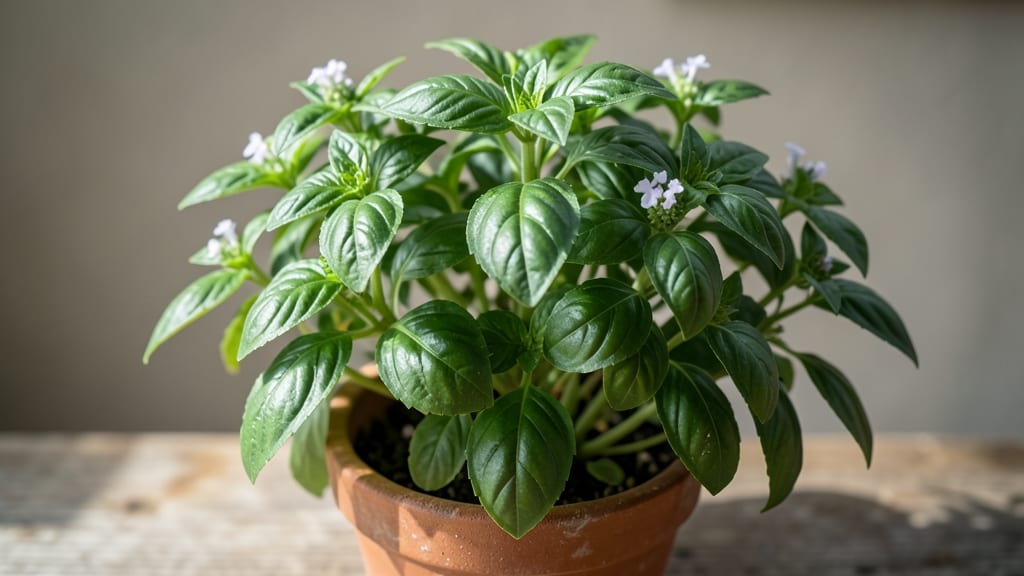
Growing a basil bush plant that stays lush all year isn’t just possible—it’s easier than you think. 🌿 The secret lies in pruning at the right time and giving it the conditions it craves: bright light, rich soil, and consistent moisture.
My first attempt ended with a leggy, sparse plant, but after tweaking my approach, I now harvest fresh basil year-round without gaps.
Start with a healthy basil plant (from seed or nursery) and place it where it gets 6-8 hours of sunlight daily. Use well-draining potting mix and water when the top inch feels dry.
The real magic happens when you prune: pinch back the top set of leaves when the plant is 6 inches tall, then repeat every 4-6 weeks. This forces bushier growth and prevents flowering, which makes the leaves bitter.
With proper care, your basil bush will reward you with vibrant green leaves for months. Harvest regularly to encourage new growth, and watch for pests like aphids—spray with soapy water if needed.
Companion plants like tomatoes or peppers help deter pests naturally, and a little mulch keeps moisture in. The result? A productive, fragrant basil plant that never lets you down.
This method works for both indoor and outdoor growing, so you can enjoy fresh basil no matter the season. Once you master the basics, experiment with different varieties like Genovese or Thai basil.
The key is consistency—light, water, and pruning—and soon, you’ll have a basil bush that’s the envy of every kitchen garden.
📚 In This Guide
- What you need
- Instructions
- Tips and common mistakes
- Wrapping up and next steps
What you need
- ● Basil seeds or seedlings: 1 pack (or 3-5 healthy seedlings from a nursery). Choose sweet basil, Genovese, or Thai basil for variety.
- ● Potting mix: 1 bag (10-12 quarts) of high-quality, well-draining seed-starting mix or potting soil (avoid garden soil—it’s too dense!).
- ● Containers or garden bed: For containers: 5-7" diameter pots (minimum 1 per plant) with drainage holes. Pro tip: Use fabric pots for better air circulation! 💡
- ● For in-ground planting: A sunny spot with loose, fertile soil (amend with compost if needed).
- ● Watering can or spray bottle: With a gentle nozzle to avoid disturbing seedlings.
- ○ Fertilizer (optional but recommended): Balanced liquid fertilizer (10-10-10 or 20-20-20) for seedlings.
- ● Slow-release organic fertilizer (like fish emulsion or compost tea) for mature plants.
- ● Pruning shears or clean scissors: Sharp and sterilized (rubbing alcohol works!).
- ○ Gloves (optional): To protect your hands from soil or thorns (if using Thai basil).
- ● Trowel: For transplanting seedlings into the ground or larger pots.
- ○ Mulch (optional): Straw or shredded leaves to retain moisture and suppress weeds.
- ● Sunlight: At least 6-8 hours of direct sunlight daily (south-facing window or full sun outdoors).
- ● Temperature: Ideal range: 70–80°F (21–27°C). Basil bolts (goes to seed) if exposed to <60°F (15°C) or extreme heat.
- ● Humidity (indoors): Use a humidity tray or mist leaves lightly if air feels dry.
- ● Patience: Seedlings take 6–8 weeks to mature; pruning starts after 6–8 weeks of growth!
Step-by-step guide to pruning your basil bush for year-round harvests
Here's how I keep my basil bush lush, productive, and thriving through every season.
🌱 Step 1: Identify Healthy Growth Points
Start by examining your basil bush for the healthiest stems with at least 4-6 leaves. These are your pruning targets—they’ll regrow into bushier, more productive branches. Look for stems that are green and firm, not yellowing or leggy. Avoid cutting into woody stems at the base, as basil doesn’t regrow well from old wood.
I like to prune in the morning when the plant is hydrated and the air is cooler. This gives the cuts time to heal before the heat of the day. Use clean, sharp scissors or pruners to make clean cuts—ragged edges invite disease. If your basil is leggy, focus on the topmost leaves to encourage fuller growth lower down.
✂️ Step 2: Pinch or Cut for Bushier Growth
For established plants, cut just above a leaf node (the point where leaves meet the stem) to encourage branching. Make your cuts at a 45-degree angle to increase surface area for faster healing. If you’re pinching (removing just the top leaves with your fingers), do it when stems are 3-4 inches tall to prompt side shoots.
Here’s the thing—I always remove flower buds immediately if they appear. Basil flowers signal the plant to stop producing leaves and focus on seeds. Snip them off at the base to keep your plant focused on leafy growth. You’ll know you’re doing it right when you see new leaves sprouting from the sides within 1-2 weeks.
🌿 Step 3: Maintain Shape and Encourage New Growth
After your first pruning, step back and assess the shape. Basil grows best when it’s compact and bushy, not tall and sparse. If one side looks leggy, prune it back slightly to balance the plant. I like to keep my basil bush 12-18 inches tall—any taller and it can become top-heavy or woody.
Water your basil deeply after pruning to help it recover. The roots will need extra hydration to support new growth. If you’re growing in containers, check the soil is damp but not soggy—basil hates wet feet. You’ll see new leaves emerging within 7-10 days if conditions are right.
☀️ Step 4: Adjust Care for Seasonal Changes
In summer, basil grows aggressively—prune it every 2-3 weeks to keep it bushy and productive. In cooler months, reduce pruning to once a month or when you notice new growth. If your basil is indoors, keep it near a south-facing window or under grow lights for 6+ hours of light daily.
I know it seems counterintuitive, but don’t harvest more than 1/3 of the plant at once. Over-harvesting stresses the plant and can lead to leggy growth. Instead, pinch back regularly to encourage dense foliage. With consistent pruning, your basil bush will stay productive for years, not just one season.
Tips & tricks for perfect basil bush maintenance
Keeping your basil bush thriving year-round takes just a few key tricks—these are the secrets I've learned after years of growing my own.
Timing is Everything: Morning is the absolute best time to prune your basil bush. The cooler temperatures and hydrated leaves mean cleaner cuts that heal faster. I've found that pruning in the late afternoon can stress the plant, especially in hot weather—it's like giving your basil a midday nap instead of a morning workout.
Tool Precision Matters: Never use dull scissors or your fingers for pinching—you'll crush stems and invite disease. I keep a pair of clean, sharp pruners dedicated just to my basil. The 45-degree angle cut isn't just for looks; it increases the surface area for faster healing and prevents water from pooling at the cut site. This simple technique can double your basil's productivity.
Flower Buds Are the Enemy: The moment you see those tiny flower buds appear, snip them off immediately. I've learned this the hard way—once flowers form, your basil shifts energy from leaf production to seed-making, and those beautiful leaves turn bitter. That 2-week window after pruning is critical for new growth, so stay vigilant. Think of it like catching weeds before they take over your garden.
Seasonal Adjustments: Summer's aggressive growth means pruning every 2-3 weeks, while winter's slower pace lets you reduce to monthly maintenance. I've adapted my routine by moving my potted basil indoors during cooler months, keeping it near a south-facing window for that crucial 6+ hours of light. This seasonal flexibility keeps my basil productive all year, not just during peak growing months.
Pro Tips for Basil Bush Plant
- Keeping your basil bush thriving year-round takes just a few key tricks—these are the secrets I've learned after years of growing my own.
- Timing is Everything: Morning is the absolute best time to prune your basil bush.
- Tool Precision Matters: Never use dull scissors or your fingers for pinching—you'll crush stems and invite disease.
Frequently asked questions
Got questions about growing and maintaining your basil bush plant?
Here are some of the most common ones—plus answers to help you keep your herb thriving all year round!
How often should I prune my basil bush plant for a bushier harvest?
Prune your basil bush every 2–3 weeks during the growing season (spring to fall) to encourage bushier growth. Pinch off the top sets of leaves just above a pair of leaves—this redirects energy to side branches. Avoid heavy pruning in winter, as growth slows down. Pro tip: Use clean scissors or fingers to avoid damaging stems!
Can I grow basil indoors year-round, and how do I keep it alive in winter?
Yes! Basil thrives indoors with 6+ hours of sunlight daily (a sunny windowsill or grow lights work). In winter, reduce watering (let the top inch of soil dry out) and avoid drafts. If leaves yellow, it’s likely overwatering—basil hates soggy roots. Bonus: Rotate the pot weekly for even growth!
Why are my basil leaves turning yellow or curling, and how do I fix it?
Yellow leaves often mean overwatering, pests (like aphids), or nutrient deficiency. Check soil moisture (stick your finger in—it should be dry 1–2 inches down). Spray leaves with neem oil for pests. For nutrients, fertilize lightly with a balanced liquid fertilizer every 4–6 weeks. Quick fix: Trim affected leaves to redirect energy!
Is it better to grow basil from seeds or buy a starter plant?
Starter plants are ideal for fast, hassle-free growth (harvest in 4–6 weeks), while seeds take longer (6–8 weeks) but offer more variety. If starting from seeds, sow them ¼-inch deep in warm soil (70°F+) and keep them moist. Pro tip: Use seed-starting trays for better germination control!
Can I regrow basil from store-bought stems in water?
Place a 4–6 inch stem in water, ensuring leaves don’t touch the surface. Change water every 2–3 days and place in bright, indirect light. Roots should appear in 1–2 weeks. Once rooted, transplant to soil—just avoid disturbing the roots!
Wrapping up and next steps
Growing a thriving basil bush plant is easier than you think—with the right pruning techniques, you’ll enjoy a year-round harvest of fresh, flavorful leaves! The key? Regular trimming, consistent care, and a little patience to encourage bushy growth.
Whether you’re a seasoned gardener or just starting out, these steps will help you maximize your basil’s potential.
Ready to take the next step? Start small—pick one bush to experiment with pruning, and soon you’ll be harvesting enough basil for pesto, salads, and more! 🌱✨ Happy growing!