
Pruning
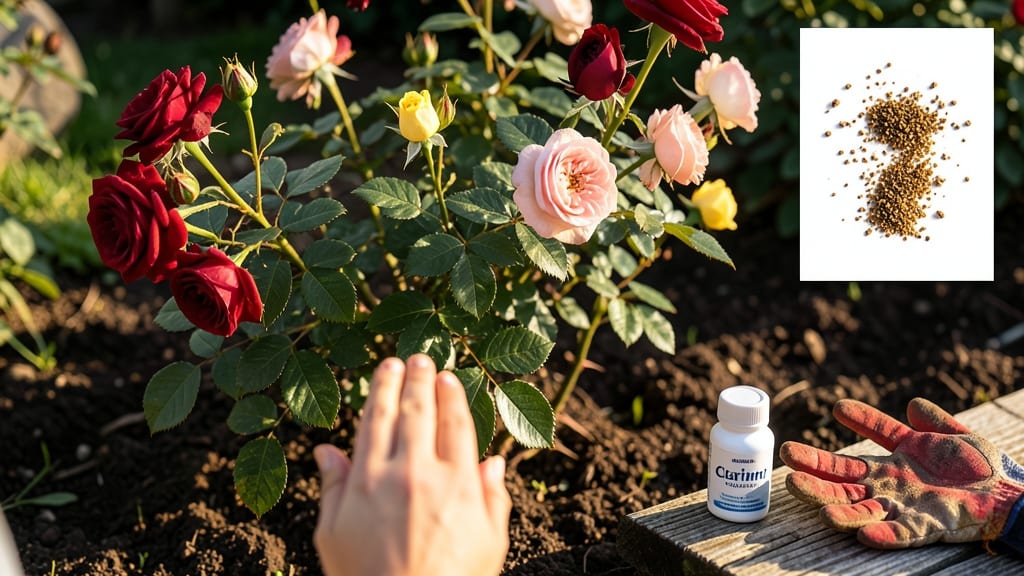
Rose bush allergies trigger symptoms like sneezing, itchy skin, or watery eyes when you come into contact with pollen, thorns, or sap. The best defense is avoiding direct exposure, choosing hypoallergenic rose varieties, and wearing protective gear during gardening tasks.
These reactions happen because rose plants release tiny pollen particles that can irritate your respiratory system, while their sharp thorns and sticky sap often cause skin sensitivities. 🌹 The good news is that some rose varieties, like the Knock Out series, produce less pollen and are gentler on sensitive skin.
I always recommend wearing long sleeves and gloves when working with roses—even a small prick can lead to a bigger reaction if you're allergic.
For gardeners with severe allergies, consider replacing roses with low-allergen alternatives like dahlias or hydrangeas, which rarely trigger the same symptoms. If you love roses but can't avoid them, timing matters—pruning during dry weather reduces airborne pollen, and washing your hands immediately after contact helps prevent skin reactions.
💡 In This Article
- Identifying Rose Bush Allergy Triggers and Symptoms
- Hypoallergenic Rose Varieties and Garden Safety Tips
Identifying rose bush allergy triggers and symptoms
Rose bush allergies primarily stem from three key irritants: pollen, thorns, and sap. The pollen, which contains proteins like Ros e 1 and Ros e 5, triggers immune responses in sensitive individuals, causing symptoms similar to hay fever.
These proteins are released in higher concentrations during the plant's blooming season—typically spring to early summer—when pollen grains measuring 10-100 microns become airborne and easily inhaled or absorbed through the skin.
The thorns, though sharp, aren't the main culprit—they're more of a secondary irritant. When they break skin, they introduce tiny wounds that can become entry points for the sap, which contains phenolic compounds and volatile oils known to provoke allergic reactions.
These compounds can cause contact dermatitis, characterized by redness, swelling, and itching within 24-48 hours of exposure. Interestingly, the sap's stickiness (thanks to its high resin content) helps it adhere to skin, prolonging contact and intensifying reactions.
Symptoms vary widely but often include respiratory issues like sneezing, nasal congestion, and throat irritation, as well as skin reactions such as hives, rashes, or eczema-like flare-ups. Eye symptoms—watery, itchy, or red eyes—are also common due to pollen particles settling on the conjunctiva.
What's less obvious is that some people experience delayed reactions, where symptoms appear hours or even days after exposure, making it harder to pinpoint the cause. 🌿 For example, a gardener might not realize their evening sneezing fits are linked to morning rose-pruning sessions.
Seasonal allergies tend to peak during blooming periods, but contact allergies can occur year-round, especially if the rose bush's sap or pollen lingers on tools, clothing, or pet fur. The difference lies in the exposure route: seasonal allergies are airborne, while contact allergies result from direct touch.
For instance, someone might develop a rash from handling rose stems but have no respiratory symptoms unless they're also exposed to airborne pollen. This distinction is crucial for tailoring avoidance strategies—like wearing gloves for contact allergies or staying indoors during high-pollen days.
Here’s what sets rose allergies apart from other plant reactions: the combination of airborne and physical triggers. Unlike ragweed, which primarily affects the respiratory system, roses engage both skin and lungs. Their thorns add another layer of risk by creating wounds that amplify allergic responses.
For example, a single prick from a rose thorn can introduce enough sap to trigger a localized reaction in sensitive individuals, while the same prick might go unnoticed in someone with no allergies.
If you suspect a rose allergy, pay attention to these patterns: Do symptoms flare up during specific seasons? Do they worsen after gardening or walking near rose bushes? Keeping a symptom diary can help identify triggers.
For instance, I’ve seen clients whose allergies spike in June (peak blooming season) but remain mild in winter, when roses are dormant. This seasonal pattern is a strong clue that pollen—not sap or thorns—is the primary culprit in their case.