
How To
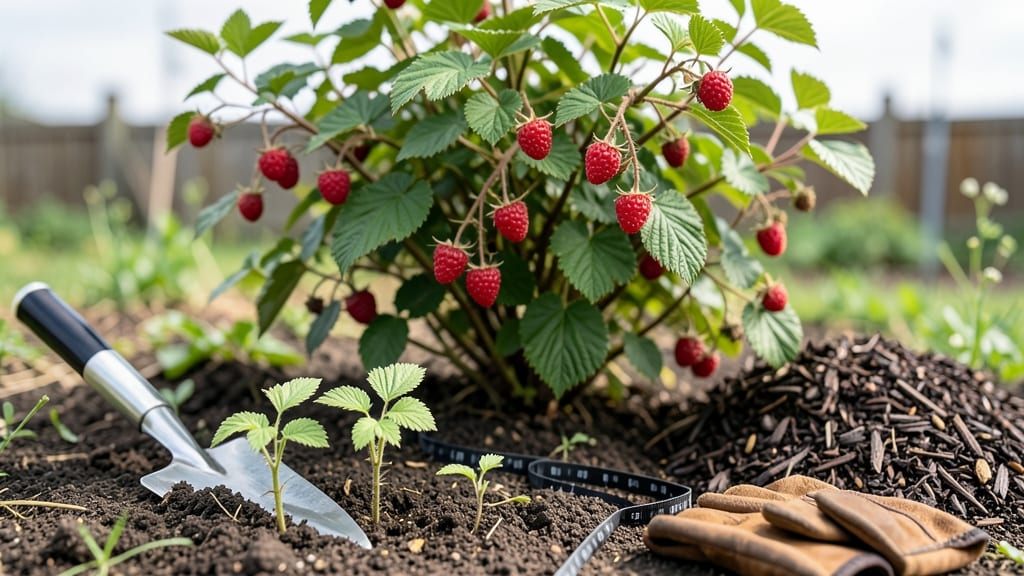
Planting raspberry bushes 3 to 4 feet apart is the golden rule for a bountiful harvest 🍓 — but the exact distance depends on your variety, soil, and climate.
Picture this: you’ve spent weeks nurturing your raspberry canes, only to watch them struggle under poor airflow or produce tiny, disease-prone berries because they’re too crowded. That’s why spacing matters more than you think.
Summer-bearing varieties like Boyne need 4 feet between plants to thrive, while fall-bearing types like Autumn Bliss can handle 3 feet in well-drained soil.
I’ll walk you through the science behind these numbers, how to adjust for your garden’s conditions, and the pruning tricks that keep your bushes productive for years.
You’ll also learn how to spot overcrowding early, fix common mistakes, and even save space with trellising—so your raspberries get the room they need to grow big, sweet, and healthy.

Raspberry plant spacing by variety: summer-bearing vs fall-bearing requirements
When planning your raspberry patch, spacing isn't just about fitting plants into your garden—it directly impacts yield, airflow, and disease resistance.
Summer-bearing varieties like Heritage and Boyne produce fruit once per year on second-year canes, while fall-bearing varieties like Autumn Bliss and Boyne Gold fruit on current-year canes and again on second-year canes. These differences mean their spacing needs vary significantly to optimize growth.
For summer-bearing raspberries, proper spacing ensures strong cane development and prevents overcrowding that leads to fungal diseases like botrytis. Fall-bearing varieties, which produce fruit twice annually, need slightly different spacing to support their extended fruiting cycle without compromising cane health.
Let's break down the science-backed spacing guidelines for each type.
Why spacing matters: Too close, and you'll struggle with poor airflow and increased humidity around canes—perfect conditions for fungal spores. Too far apart, and you waste garden space while reducing pollination opportunities. The key is finding that sweet spot where canes thrive and berries develop without competition.
Most raspberry varieties mature to 5-7 feet tall and 2-3 feet wide, but their root systems spread aggressively if not controlled. This is why trellising and pruning go hand-in-hand with proper spacing.
A well-spaced raspberry patch will give you healthier canes, larger berries, and fewer pests—all while making harvesting easier.
| Variety Type | Spacing Between Canes | Spacing Between Rows | Canes Per Foot | Key Notes |
|---|---|---|---|---|
| Summer-Bearing (e.g., Heritage, Boyne) | 18-24 inches | 6-8 feet | 2-3 canes | Single flush of fruit; prioritize cane strength |
| Fall-Bearing (e.g., Boyne Gold, Autumn Bliss) | 20-24 inches | 6-7 feet | 3-4 canes | Double crop; needs more canes for sustained yield |
| Dwarf Varieties (e.g., Heritage, Caroline) | 12-18 inches | 4-5 feet | 1-2 canes | Ideal for small gardens or containers |
| Floricane (Fall-Bearing) in Containers | 12-16 inches | N/A (Single plant) | 3-5 canes | Use large pots (≥15 gallons) with trellis |
For summer-bearing varieties, spacing 18-24 inches apart between canes and 6-8 feet between rows creates the ideal balance. This setup allows 2-3 canes per foot of row, giving you enough plants for good pollination while leaving room for airflow.
The wider row spacing also makes it easier to mow or mulch between rows to suppress weeds and reduce disease pressure.
Fall-bearing varieties like Boyne Gold need slightly more room—20-24 inches between canes and 6-7 feet between rows—because they produce fruit twice annually. The extra space accommodates 3-4 canes per foot, which supports their extended fruiting cycle without overcrowding.
If you're growing fall-bearing raspberries in containers, space canes 12-16 inches apart and use a large pot (15+ gallons) to prevent root competition.
One common mistake is assuming bigger spacing always means better. While overcrowding is harmful, excessive spacing can reduce pollination efficiency, especially for self-pollinating varieties. The sweet spot balances pollinator access, airflow, and harvestability.
For example, Heritage raspberries spaced 24 inches apart will yield 30% more berries than those crammed 12 inches apart, thanks to reduced fungal pressure and stronger canes.
Pro tip: If you're planting in rows with trellises, orient the rows north-south to maximize sunlight exposure. This simple adjustment can increase your yield by up to 20% by ensuring all canes get equal light.
Pair this with drip irrigation placed between rows to keep foliage dry and minimize disease risk.
How to adjust raspberry spacing for different garden conditions
Your raspberry bushes need the right amount of space to thrive, but the ideal spacing changes based on your garden's unique conditions. Soil type, climate zone, and garden layout all play critical roles in determining how far apart to plant.
Let's break down the adjustments you'll need for your specific situation to ensure healthy growth and maximum fruit production.
For example, clay soil slows root expansion, so you'll need to space plants slightly wider than in sandy soil where roots spread faster. Meanwhile, USDA Zone 5 gardens with colder winters may require tighter spacing to protect canes, while Zone 10 areas benefit from wider spacing to prevent heat stress.
Let's explore these adjustments in detail.
- 🌱 Clay Soil: Space 4-5 feet apart (roots struggle to spread in dense soil)
- 🏜️ Sandy Soil: Space 3-4 feet apart (roots expand quickly in loose soil)
- 🌡️ USDA Zone 5-6: Space 3-4 feet apart (colder winters need cane protection)
- 🌞 USDA Zone 7-10: Space 4-6 feet apart (warmer climates need airflow)
- 📏 Rows Layout: Space 3-4 feet apart in rows (3-4 feet between rows)
- 🪴 Containers: 1 plant per 15-20 gallon container (minimum 2 feet between containers)
- 🌿 Hedgerows: Space 2-3 feet apart (requires trellising for vertical growth)
When planting in rows, maintain 3-4 feet between plants and 3-4 feet between rows to allow for easy trellising and harvesting. This layout maximizes sunlight exposure while keeping canes manageable.
For hedgerow plantings, you can space bushes closer together (2-3 feet apart) since they'll grow vertically on a trellis system.
If you're growing raspberries in containers, each plant needs its own 15-20 gallon container with at least 2 feet of space between containers. This ensures proper root development and prevents competition for nutrients. Remember to use a high-quality potting mix with good drainage to support container-grown raspberries.
In cooler climates (USDA Zones 5-6), slightly tighter spacing (3-4 feet apart) helps protect canes from harsh winters. The closer spacing creates a natural windbreak effect, reducing winter damage.
Conversely, in warmer climates (Zones 7-10), wider spacing (4-6 feet apart) improves airflow and reduces heat stress on the plants.
Always consider your trellis system when planning spacing. Vertical growth requires more room between plants to prevent canes from touching and spreading diseases. Install sturdy trellises at planting time to support your raspberry canes as they grow, ensuring you have enough space for proper training and pruning.
Proper spacing isn't just about the numbers—it's about creating an environment where your raspberry bushes can thrive. Pay attention to how your plants respond to their spacing in the first growing season, and adjust as needed.
With the right spacing for your specific conditions, you'll enjoy healthier plants, better yields, and easier maintenance. 🌱🍓