
Shrubs
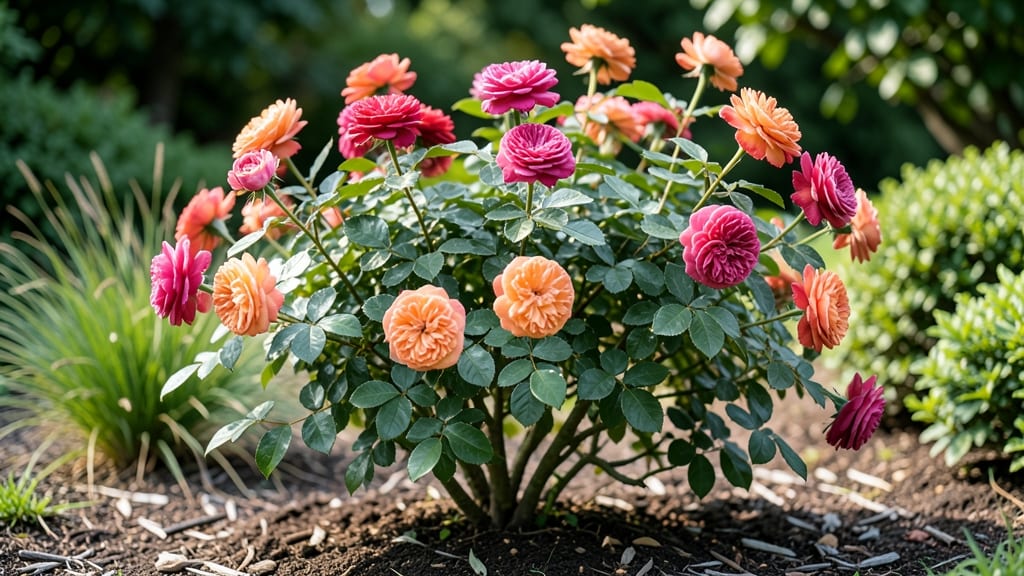
Celebration roses turn every garden into a romantic stage—whether you're planning a wedding, anniversary, or just want flowers that feel like a hug. 🌹 These bushes bloom reliably year-round, their velvety petals releasing that classic rose perfume that instantly lifts any space. I planted mine along the wedding aisle last summer, and the scent lingered in the air for hours after the ceremony. The secret to their drama is minimal pruning—just a few strategic cuts in early spring keeps them lush and flowering. Pair them with lavender for contrast or dwarf boxwood for structure, and you’ve got a low-maintenance centerpiece that works for any celebration. Their deep pinks, creams, and blush tones create a dreamy palette that photographers love. You’ll end up with a garden that smells like memories. These roses thrive in morning sun and afternoon shade, so they’re perfect for focal points where guests linger. The fragrance alone makes them worth the space—plus, they’re disease-resistant, so they stay beautiful without fuss. Works for weddings, garden parties, or just daily joy. Here’s how to weave them into your design:
📚 In This Guide
- What you need
- Instructions
- Tips and common mistakes
- Wrapping up and next steps
What you need
- ● Celebration Rose Bushes: 3–5 healthy, disease-resistant plants (check local nurseries for Knock Out® or Double Knock Out® varieties).
- ● Well-draining potting soil: 1–2 bags (1 cubic foot each) or garden soil amended with compost (50/50 mix).
- ● Organic fertilizer: Slow-release rose-specific granules (e.g., Miracle-Gro Shake ’n Feed) or composted manure (10–15 lbs per bush).
- ● Mulch: 2–3 inches of wood chips or shredded bark (to retain moisture and suppress weeds).
- ● Watering can or hose: With a gentle spray nozzle (roses hate soggy roots!).
- ● Garden trowel or spade: For digging planting holes (6–8 inches wide/deep).
- ● Pruning shears: Sharp, sterilized shears (bypass-style, like Fiskars or Felco).
- ● Gloves: Heavy-duty gardening gloves (roses have thorns!).
- ● Measuring tape or ruler: To ensure proper spacing (3–4 feet apart for full sun).
- ○ Stakes & ties (optional): For young or top-heavy bushes (1–2 stakes per plant).
- ● Sunlight: A spot with 6+ hours of direct sun daily (morning sun is ideal).
- ● Drainage: Avoid low-lying areas where water pools (roses hate wet feet!).
- ● Season timing: Plant in early spring or fall (avoid extreme heat/cold).
- ● Local climate check: Verify your USDA hardiness zone (Celebration roses thrive in zones 5–10).
How to grow Celebration roses for year-round fragrance
These roses thrive with simple care and reward you with blooms from spring to frost.
🪴 Step 1: Choose the Right Location and Prepare the Soil
Celebration roses need at least 6 hours of direct sun daily, but they tolerate partial shade better than most varieties. I always pick a spot where they’ll get morning sun and afternoon shade if summers run hot—this prevents wilting while keeping blooms vibrant. The soil should drain well, so avoid low spots where water pools after rain.
Before planting, loosen the soil to a depth of 12 inches using a garden fork. Mix in 2-3 inches of compost into the top 6 inches to improve fertility. Celebration roses aren’t fussy about soil pH, but they perform best in slightly acidic to neutral soil (pH 6.0-7.0). If your soil is heavy clay, add a 5-gallon bucket of coarse sand per plant to improve drainage.
☀️ Step 2: Plant at the Right Depth and Stake for Support
Dig a hole twice as wide as the root ball but only as deep as the container’s root flare—planting too deep suffocates the graft union (if your roses are grafted). Gently remove the plant from its container and tease out any circling roots with your fingers. This encourages outward growth instead of girdling.
Place the rose in the hole so the top of the root ball sits 1 inch below soil level. Backfill with native soil mixed with compost, tamping lightly every 2 inches to remove air pockets. Water deeply to settle the soil, then install a 5-foot stake next to the plant and tie the main stem loosely with soft plant ties. Celebration roses grow 3-4 feet tall, so staking prevents flopping stems and broken canes.
💧 Step 3: Water Deeply and Mulch to Retain Moisture
Water immediately after planting to eliminate air pockets, then water deeply once a week during the first growing season. You’ll know you’re doing it right when water drains 6 inches deep—stick your finger in the soil to check. Overwatering is the fastest way to kill roses, so let the top 2 inches of soil dry out between waterings once established.
Spread 3 inches of mulch (wood chips or shredded bark) around the base, keeping it 3 inches away from the stem to prevent rot. Mulch conserves moisture, regulates soil temperature, and suppresses weeds. Replenish mulch annually in early spring—Celebration roses bloom best when roots stay cool and moist.
✂️ Step 4: Prune Lightly in Late Winter for Continuous Blooms
Celebration roses bloom repeatedly, so minimal pruning keeps them flowering. In late winter (just as buds swell), remove dead, diseased, or crossing branches first. Then cut back last year’s growth by one-third, shaping the bush into an open vase form. Always make cuts just above an outward-facing bud—this encourages outward growth and better air circulation.
I avoid heavy pruning because Celebration roses store energy in their canes. If you prune too aggressively, you’ll sacrifice spring blooms. After pruning, apply a balanced rose fertilizer (10-10-10) around the drip line, not touching the stem. Water again to help roots absorb nutrients—you’ll see new growth within 2-3 weeks.
🌿 Step 5: Deadhead and Feed for Year-Round Fragrance
Deadhead spent blooms every 2 weeks by cutting back to the first healthy leaf below the bloom. This redirects the plant’s energy into new flowers instead of seed production. Celebration roses reward consistent care with nonstop blooms from spring until frost, but they need monthly feeding during the growing season to sustain this performance.
Use a rose-specific fertilizer (high in phosphorus for blooms) every 4-6 weeks starting in early spring. Stop fertilizing in late summer to harden off the plant for winter. In fall, apply a 2-inch layer of compost around the base and water deeply. This builds root reserves for next year’s fragrance-filled blooms.
Tips & tricks for perfect Celebration rose bushes
Here's what nobody tells you about growing these fragrant beauties—tricks that'll keep your roses blooming like crazy all season.
Sunlight Strategy: While Celebration roses tolerate partial shade, the 6 hours of direct sun mentioned in Step 1 is non-negotiable for that year-round fragrance. I've planted mine in spots that get morning sun and afternoon shade—this balance prevents wilting during hot afternoons while still giving them enough light to produce those glorious blooms. If your yard has limited sun, consider a large container where you can move the plant to follow the sun's arc.
Root Ball Rescue: When planting, don't just drop the rose into the hole—take the extra 5 minutes to tease out any circling roots you find. I learned this the hard way after watching a rose struggle for years with girdling roots. These roots can strangle the plant's growth, so gently separate them with your fingers before planting. The 1 inch below soil level placement is also crucial—any deeper and you'll smother the graft union, which is the plant's lifeline.
Watering Wisdom: The 6 inches deep watering check in Step 3 is your best friend. I use a long screwdriver to test moisture—if it comes out dry at that depth, it's time to water. Overwatering is the silent killer of roses, so let the top 2 inches dry out between waterings once established. A soaker hose buried 2 inches deep is my secret weapon for consistent moisture without wetting the foliage, which prevents fungal diseases.
Pruning Precision: That one-third reduction in Step 4 might seem drastic, but it's what keeps Celebration roses blooming continuously. I always make my cuts just above an outward-facing bud—this simple technique creates a more open plant shape that improves airflow and prevents diseases. And remember, you're not just pruning for shape—you're directing the plant's energy into more flowers. The 2-3 weeks for new growth is your reward for being patient!
Pro Tips for Celebration Rose Bushes
- Here's what nobody tells you about growing these fragrant beauties—tricks that'll keep your roses blooming like crazy all season.
- Sunlight Strategy: While Celebration roses tolerate partial shade, the 6 hours of direct sun mentioned in Step 1 is non-negotiable for that year-round fragrance.
- Root Ball Rescue: When planting, don't just drop the rose into the hole—take the extra 5 minutes to tease out any circling roots you find.
Frequently asked questions
Got questions about keeping your Celebration Rose Bushes thriving with minimal fuss? Here are answers to the most common ones!
How much sunlight do Celebration Roses need daily?
Celebration Roses thrive in full sun—aim for 6 to 8 hours of direct sunlight daily. While they tolerate partial shade (4–6 hours), blooms and fragrance may be less abundant. South or west-facing spots are ideal in cooler climates.
Do I really need to prune them much?
One of their biggest perks is low-maintenance pruning! Lightly trim dead or crossing branches in late winter/early spring. Skip heavy pruning unless reviving overgrowth—just shape lightly to encourage airflow and more blooms. Pro tip: Use sterilized shears to prevent disease!
How often should I water Celebration Roses?
Water deeply 1–2 times per week (more in extreme heat/drought). Focus on soaking the roots (1–2 inches deep) rather than frequent shallow watering. Mulch helps retain moisture—just keep mulch 3 inches away from the stem to avoid rot.
Can I grow Celebration Roses in containers?
Yes! They adapt well to large containers (at least 15–20 gallons) with drainage holes. Use well-draining potting mix and repot every 2–3 years. Just ensure the container gets enough sunlight and you water consistently—container roses dry out faster than in-ground plants.
What pests should I watch for?
Celebration Roses are disease-resistant, but watch for aphids, spider mites, or Japanese beetles. Spray with neem oil or insecticidal soap early for mild infestations. For beetles, handpick them or use milky spore treatment. Pro tip: Encourage beneficial insects like ladybugs!
Wrapping up and next steps
Celebration rose bushes are the perfect blend of elegance and ease—offering year-round fragrance with minimal fuss. Whether you're a seasoned gardener or a beginner, these low-maintenance beauties bring joy with their stunning blooms and delicate scent, all while requiring just a little care.
Now that you’re equipped with the right knowledge, why not take the next step?
🌸 Plant your Celebration rose bush today and transform your garden into a fragrant paradise!
- Choose a sunny spot and prepare the soil.
- Pick up your bush from a local nursery.
- Follow the planting and care tips from this guide.
Your garden will thank you—and so will your senses! 😊