
Pruning
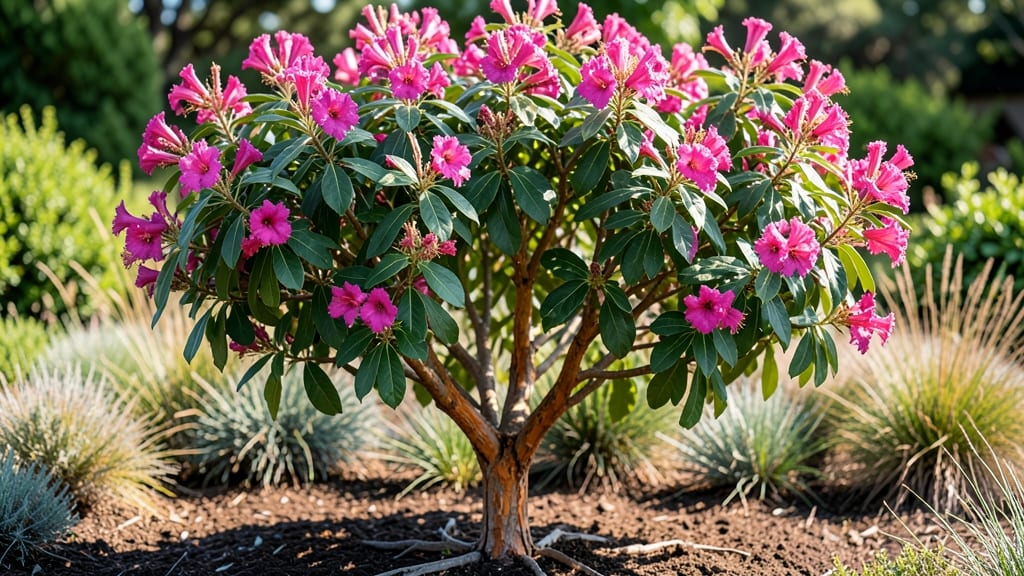
Your purple tree bush could be blooming nonstop if you prune it four times a year. 🌿 The secret to year-round color lies in understanding when to trim for flowers, structure, and seasonal health—something I learned after my first cringe-worthy over-pruning session left my bush looking like a sad, lopsided cloud.
Most purple tree bushes—like the stunning Cercis canadensis 'Alba' or Lagerstroemia indica—thrive with a mix of light shaping in late winter and strategic cuts to encourage blooms. You’ll need sharp pruners, a ladder (for taller varieties), and a clear plan for each season’s goals.
The key is balancing form and function: too much pruning kills blooms, but too little lets the bush get leggy.
By following this four-season schedule, you’ll end up with a bush that bursts with color in spring, holds its leaves through summer, glows in autumn, and even offers winter structure.
Imagine that deep purple foliage contrasting against a white fence or complementing silver-blue lavender—it’s the kind of landscaping that makes neighbors pause and ask, "What is that?"
Whether you’re shaping a focal point, training a hedge, or just keeping your bush tidy, these seasonal cuts work for any purple tree bush. Let’s get started—your bush’s best look is just a few snips away.
📚 In This Guide
- What you need
- Instructions
- Tips and common mistakes
- Wrapping up and next steps
What you need
- ● Pruning shears: Bypass shears (for clean cuts on small branches, 1-2 pairs)
- ● Loppers: Long-handled (for thicker branches, 1 pair, 6–8 inches)
- ● Pruning saw: Curved-tooth (for stubborn, thick branches, 1, 12–16 inches)
- ● Disinfectant: 70% isopropyl alcohol or bleach solution (to sterilize tools between cuts, small bottle)
- ● Gloves: Heavy-duty gardening gloves (to protect hands from thorns/spines, 1 pair)
- ○ Pruning sealant: Optional but helpful for large cuts (to prevent disease, small tube)
- ● Garden twine or ties: For supporting branches post-pruning (1 roll)
- ● Trash bags: For collecting pruned branches (2–3 large bags)
- ● Watering can or hose: To hydrate the bush after trimming (1)
- ● Hand pruners with a crimping mechanism: For smoother cuts on delicate branches.
- ● Extension pole: Attaches to loppers for high branches (saves your back!).
- ● Sharpie or marker: To label branches if you’re doing a detailed shaping plan.
- ● Compost bin: For recycling pruned branches into nutrient-rich compost.
- ● Safety glasses: If your bush has thorns or you’re working near your face.
Step-by-Step guide to pruning purple tree bush for year-round blooms
Here's the seasonal approach I use to keep my purple tree bush flowering nonstop—no dead wood, no sparse growth.
✂️ Step 1: Late Winter Pruning (Cleanup and Structure)
Start in late February or early March when the plant is still dormant but before new growth begins. This is your chance to remove all dead, diseased, or crossing branches. I always begin by examining the bush from all angles, looking for branches that rub against each other or grow inward—they'll compete for sunlight and weaken the plant.
Use sharp, clean pruners to make cuts just above a leaf bud or outward-facing branch. Never leave stubs; this invites rot and weakens the plant. For thicker branches, make the cut at a 45-degree angle about ¼ inch above the bud. This encourages new growth in the right direction. After removing the main culprits, step back and assess the shape—you want an open center that allows light to reach all parts of the bush.
☀️ Step 2: Early Spring Pruning (Bloom Stimulation)
Once new growth appears in late April or early May, it's time to shape the bush for maximum blooms. Focus on thinning out crowded areas by removing about ⅓ of the oldest wood—this encourages fresh, vigorous growth. I look for branches that haven't produced many flowers in the past; these are the ones to trim back to a strong lateral branch or bud.
Never cut back more than ⅓ of the plant at once, or you'll shock it into producing leaves instead of flowers. After pruning, give the bush a light feeding with a balanced fertilizer (10-10-10) to support new growth. This is also the time to remove any suckers—those unwanted shoots growing at the base of the plant. They sap energy from the main structure and rarely bloom.
🌿 Step 3: Mid-Summer Pruning (Deadheading and Light Maintenance)
During July and August, shift to light maintenance pruning to keep the bush looking tidy and encourage continuous blooming. After each flush of flowers fades, deadhead spent blooms by snipping the stem just above the next set of leaves or buds. This redirects the plant's energy into producing new flowers instead of setting seed.
I also remove any leggy or overgrown branches that detract from the bush's shape. These are usually the ones growing outward too aggressively. Cut them back to a strong lateral branch or bud, and you'll see fresh, compact growth within weeks. Avoid heavy pruning during this period—it can stress the plant when it's already working hard to produce flowers.
⏰ Step 4: Fall Pruning (Preparation for Winter)
In October or November, focus on preparing the bush for winter dormancy. Remove any remaining dead or diseased branches, and thin out the outer growth to improve airflow. This reduces the risk of fungal diseases over winter. I also look for branches that grew too vigorously during the summer and cut them back to maintain the desired shape.
After pruning, apply a 2-3 inch layer of mulch around the base of the bush to insulate the roots. This helps protect against temperature fluctuations and retains moisture. Avoid heavy pruning in fall—you want the plant to enter dormancy with enough energy stored to regrow in spring. A light trim now keeps the bush manageable and sets it up for a strong start next year.
Tips & tricks for pruning purple tree bushes
These seasonal strategies will transform your purple tree bush from a sporadic bloomer to a nonstop floral showstopper.
Tool Preparation: Always sterilize your pruners with rubbing alcohol between cuts—this prevents spreading disease from infected branches to healthy ones. I keep a small bottle of 70% isopropyl alcohol in my gardening toolkit and wipe down blades after every few cuts, especially when dealing with dead or diseased wood. Sharp tools make cleaner cuts that heal faster, so take a minute to hone your blades before starting. This small step prevents jagged wounds that can invite pests and infections.
Seasonal Timing Secret: The four-season schedule in Step 1 through Step 4 isn't arbitrary—it aligns with the bush's natural growth cycles. In late winter (Step 1), you're removing last year's deadwood before new growth begins, creating space for fresh shoots. During early spring (Step 2), you're stimulating bloom production by removing old wood when the plant is energized but before it commits to leaf growth. This precise timing is what separates occasional blooms from continuous flowering all season long.
Visual Pruning Cues: When assessing shape in Step 1 and Step 4, think about creating an "open vase" silhouette. Imagine the bush as an upside-down vase—branches should spread outward and upward, creating a natural funnel shape that allows light to penetrate to the center. In Step 3, when deadheading, look for the first set of leaves below the spent bloom—this is your cutting target. It's where new growth will emerge, ensuring you're pruning in a way that encourages more flowers rather than just removing spent blooms.
Fertilizer Timing: The balanced 10-10-10 fertilizer mentioned in Step 2 should be applied immediately after pruning but before new growth becomes visible. This gives the plant essential nutrients to support the vigorous regrowth you're encouraging. I recommend using a slow-release granular fertilizer rather than liquid feed—it provides steady nutrition without the risk of overfeeding, which can lead to excessive leaf growth at the expense of flowers. Apply it in a circular pattern about 6 inches from the trunk, then water thoroughly to help it reach the roots.
Pro Tips for Purple Tree Bush
- These seasonal strategies will transform your purple tree bush from a sporadic bloomer to a nonstop floral showstopper.
- Tool Preparation: Always sterilize your pruners with rubbing alcohol between cuts—this prevents spreading disease from infected branches to healthy ones.
- Seasonal Timing Secret: The four-season schedule in Step 1 through Step 4 isn't arbitrary—it aligns with the bush's natural growth cycles.
Frequently asked questions
Got questions about keeping your purple tree bush (like lilacs, wisteria, or crepe myrtles) looking its best year-round? Here are answers to the most common ones—because pruning shouldn’t be a mystery!
When is the best time to prune my purple tree bush for maximum blooms?
The ideal timing depends on your bush! For spring bloomers like lilacs, prune right after flowering (late May-June) to avoid cutting off next year’s buds. Summer bloomers (like crepe myrtles) thrive with a late-winter trim (before buds swell). Evergreens? Light pruning anytime—but avoid heavy cuts in winter.
Can I prune my purple tree bush too much? How will I know?
Yes! Over-pruning can stress your bush, leading to fewer blooms or even dieback. Signs you’ve gone overboard: bare branches, no new growth after 2 years, or yellowing leaves. Rule of thumb: Never remove more than 1/3 of the plant’s foliage in one season—and avoid “topping” (cutting back to stubs).
Why did my purple tree bush stop blooming after pruning?
Bloom failure usually means you pruned at the wrong time or too aggressively. Spring bloomers (like lilacs) need last year’s growth to flower—cutting back before buds form (winter/early spring) can starve them. For summer bloomers, prune after flowering to preserve next year’s buds. Pro tip: If it’s been 2+ years since blooms, try a renewal pruning (cutting 1/3 of old stems to the ground).
What’s the difference between “light” and “heavy” pruning for a purple tree bush?
| Light Pruning | Heavy Pruning |
|---|---|
| Removes dead/diseased branches, shapes lightly, and tidies up. Best for maintenance (year-round). | Targets rejuvenation—cuts back 1/3–1/2 of old wood to encourage new growth. Only for overgrown or neglected bushes (do in late winter). |
| Safe for all seasons (avoid winter for spring bloomers). | Risky if done wrong—can shock the plant. Best for hardy varieties like crepe myrtles. |
Can I prune my purple tree bush in winter? What about fall?
Winter pruning is risky for spring bloomers (you’ll cut off next year’s flowers), but safe for summer bloomers (like wisteria) if done before buds swell. Fall pruning? Only light shaping—avoid heavy cuts, as new growth won’t harden off before winter. Exception: Evergreens can handle light pruning in early fall to encourage dense growth.
Wrapping up and next steps
Transforming your purple tree bush into a year-round blooming beauty is totally within reach—just with a little seasonal love and the right pruning know-how! 🌸 By mastering the four key trims (spring, summer, fall, and winter), you’ll encourage vibrant blooms, healthier growth, and a stunning landscape that turns heads.
Remember, consistency is key, and your bush will thank you with bold purple hues all year long.
Ready to take the next step? Grab your pruners, mark your seasonal calendar, and start with a spring trim to kick off the blooming season. Your purple tree bush’s best days are ahead! 🌿✨