
Pruning
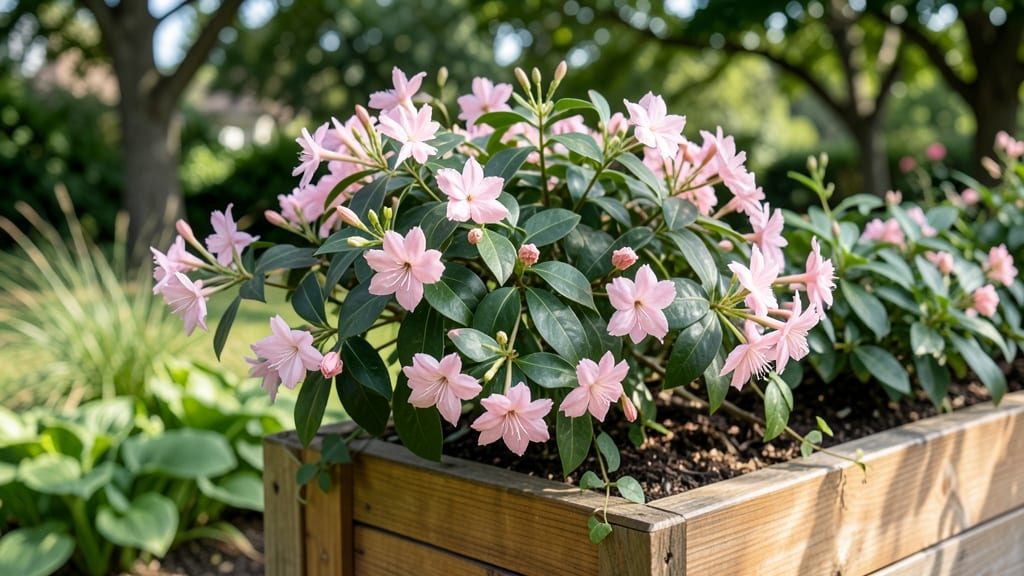
Your pink jasmine bush can bloom nonstop with just two simple trims a year—no fancy tools or horticultural degree required. 🌸 I’ve turned my once-sparse jasmine into a fragrant, flower-covered powerhouse using the same two cuts that work for every variety, and the secret lies in when (not how) you prune.
The magic happens in late winter, when the plant is dormant but ready to burst into growth, and again right after the first flush of spring blooms. Most gardeners over-prune, stripping away next year’s flowers—these two cuts keep the bush compact, encourage continuous blooming, and prevent that sad, leggy look.
You’ll see new growth within 2-3 weeks of the first trim, and the scent? Unmatched.
By summer, your bush will be a fragrant cloud of pink blooms that last until frost, with minimal effort. The best part? You’ll never have to worry about bare branches or overgrown tangles again. This method works for container plants too—just scale the shears.
Fair warning: the first year might feel counterintuitive (you’ll resist cutting back), but trust the process. Your neighbors will be asking for your secret by next spring. Let’s get those blooms going!
📚 In This Guide
- What you need
- Instructions
- Tips and common mistakes
- Wrapping up and next steps
What you need
- ● Sharp pruning shears – Bypass pruners (4-6 inch blades) for clean cuts on smaller stems.
- ● Pruning saw or loppers – For thicker branches (1/2 inch or larger).
- ● Disinfectant (70% isopropyl alcohol or bleach solution) – 1 part bleach to 9 parts water (to sterilize tools between cuts).
- ● Gloves (gardening or heavy-duty) – Protects hands from thorns and sap.
- ○ Plant tie or twine – Optional but helpful for supporting new growth after pruning.
- ○ Mulch (optional but recommended) – 2-3 inches of organic mulch (e.g., shredded bark or pine straw) to retain moisture and protect roots.
- ● Hand pruners (for precision) – Great for delicate trimming of smaller blooms or new shoots.
- ● Rubbing alcohol wipes – Quick tool disinfection on the go.
- ● Plant food or fertilizer – A balanced 10-10-10 or slow-release granular fertilizer to boost post-pruning growth.
- ● Spray bottle with water – Keeps cuts moist while you work (especially in dry climates).
- ○ Pruning sealant (optional) – For large cuts (over 1/2 inch) to prevent disease (e.g., tree wound pruning paste).
Simple pink jasmine bush pruning for continuous blooms
Two strategic cuts keep your pink jasmine lush and flowering all season—here's exactly how to do it.
✂️ Step 1: First Trim After Spring Blooms
Wait until you see 20-30% of flowers fade—this signals the plant has finished its main flush. I always grab my pruners and gloves first thing on a dry morning, when the air is still crisp. This first cut shapes the bush and encourages summer reblooming.
Remove 1/3 of the oldest wood—look for stems that are thicker and have fewer blooms. Cut just above a leaf node where new growth can emerge. Never trim into bare wood or you'll lose next year's flowers. I make clean cuts at a 45-degree angle to prevent water from pooling on the stem.
✂️ Step 2: Light Summer Pruning to Encourage New Growth
About 6-8 weeks after the first trim, you'll notice new growth pushing from the base. This is your cue for the second, lighter pruning. On a warm afternoon when the plant is actively growing, trim back any leggy stems that exceed 12 inches—these stretch for light but produce fewer flowers.
Focus on opening up the center of the bush so air circulates. I pinch off the tips of vigorous new shoots to encourage bushier growth. Never remove more than 10% of the plant in this second trim, or you'll shock the blooms. Watch for fresh buds forming within 3-4 weeks—that's your reward for timing it right.
🌿 Step 3: Winter Pruning to Prepare for Spring
When the first hard frost hits and all leaves drop, it's time for the final trim. On a dry day, cut back all stems to 1/2 their height, but leave at least 3-4 buds on each branch. This dramatic reduction might seem harsh, but it prevents disease buildup in old wood and forces fresh, vigorous growth in spring.
I always sterilize my pruners with rubbing alcohol between cuts to prevent spreading any latent infections. After trimming, spread a 2-inch layer of mulch around the base to protect roots from freezing. Your bush will look skeletal now, but within 4-6 weeks of spring warmth, you'll see new shoots pushing through.
⏰ Step 4: Year-Round Maintenance Checks
Between the two main trims, do a quick monthly check for dead, crossing, or diseased branches. Remove them immediately with clean cuts. I keep a small pair of pruners in my gardening tote for these quick touch-ups. Also watch for suckers growing at the base—these steal energy from flowering stems, so trim them back to 1 inch tall.
Your pink jasmine will reward you with continuous blooms if you stick to this simple schedule. The key is patience—don't rush the trims, and always cut just above a leaf node. You'll know you're doing it right when you see fresh buds forming within 2-3 weeks after each major trim.
Tips & tricks for perfect pink jasmine pruning
Here's what nobody tells you about keeping your pink jasmine blooming nonstop—these little tricks make all the difference.
Timing is Everything: That 20-30% flower fade signal in Step 1 is your golden cue. I learned this the hard way after trimming too early and losing my summer blooms—wait until you see those first few flowers wilting before you touch the pruners. The crisp morning timing helps too; dew can make cuts heal slower, so dry conditions are key for clean wounds.
The 45-Degree Cut Secret: When you make those angled cuts in Step 1, imagine you're creating a tiny roof over the stem. This prevents water from sitting on the cut and rotting the plant. I keep a small mirror handy to check my angles—it's easier than you'd think to make straight cuts by accident. The same principle applies to all your cuts, including the winter pruning.
Visual Growth Cues: In Step 2, those leggy stems over 12 inches aren't just ugly—they're energy vampires. Look for stems that have outgrown their neighbors by at least 4 inches. Also watch for the "V" shape where leaves meet the stem: that's your perfect cutting point. The 3-4 week bud formation timeline is your reward for getting it right—if you don't see buds appearing, you might have trimmed too aggressively.
Winter Prep Pro Tip: That 2-inch mulch layer in Step 3 isn't just for looks—it's insulation. I use shredded leaves or straw because they break down slowly and add nutrients. After winter pruning, I also take a moment to check the soil moisture. If it's bone dry, I give the roots a good drink before the first frost hits. Your bush will thank you with stronger spring growth.
Pro Tips for Pink Jasmine Bush
- Here's what nobody tells you about keeping your pink jasmine blooming nonstop—these little tricks make all the difference.
- Timing is Everything: That 20-30% flower fade signal in Step 1 is your golden cue.
- The 45-Degree Cut Secret: When you make those angled cuts in Step 1, imagine you're creating a tiny roof over the stem.
Frequently asked questions
Got questions about keeping your pink jasmine bush thriving with vibrant blooms? We’ve got answers!
When is the best time to prune a pink jasmine bush for maximum flowers?
The ideal times are early spring (before buds swell) and right after blooming (late summer/fall). This encourages dense growth and nonstop flowers. Avoid heavy pruning in winter—jasmine is semi-evergreen and needs energy for spring blooms!
How much can I trim back my pink jasmine bush without harming it?
You can safely prune up to ⅓ of the bush’s total growth per year. For a light trim, remove only dead or crossing branches. For a renewal prune, cut back 1/3 of the oldest stems to the base to rejuvenate shape and blooms. Never shear it like a hedge—jasmine blooms on new wood!
Why isn’t my pink jasmine bush blooming after pruning?
No flowers? Check these fixes:
- Lack of sunlight: Jasmine needs 6+ hours of sun daily—move it if shaded.
- Over-fertilizing: Too much nitrogen = leafy growth, not blooms. Use a low-nitrogen, high-phosphorus fertilizer instead.
- Wrong pruning time: If you pruned after buds formed, you’ve cut off potential flowers.
Give it 4–6 weeks post-prune to recover and rebloom!
Can I grow pink jasmine in containers? If so, what’s the best pruning approach?
Pink jasmine thrives in large containers (15+ gallons) with drainage. Prune lightly in spring to shape and heavily in fall to control size. Use well-draining potting mix and fertilize monthly during growing seasons. Pro tip: Container jasmines need more frequent watering—check soil moisture weekly!
How do I protect my pink jasmine bush in winter?
Jasmine is hardy to USDA Zones 7–10, but young plants or cold snaps need help. Mulch the base with 2–3 inches of organic mulch (like pine straw) and wrap the bush in burlap if temps drop below 20°F. Avoid pruning in winter—wait until late winter/early spring when new growth appears!
Wrapping up and next steps
Pruning your pink jasmine bush doesn’t have to be intimidating—just a couple of simple trims a year can keep it thriving and blooming beautifully! 🌸 By following the right timing and techniques, you’ll enjoy fragrant flowers and a lush, healthy plant all season long.
Now that you’re armed with the knowledge, why not grab those pruners and give your jasmine bush the care it deserves?
Next step: Mark your calendar for late winter/early spring and mid-summer—your pink jasmine will thank you with vibrant blooms! 🌿