
Pruning
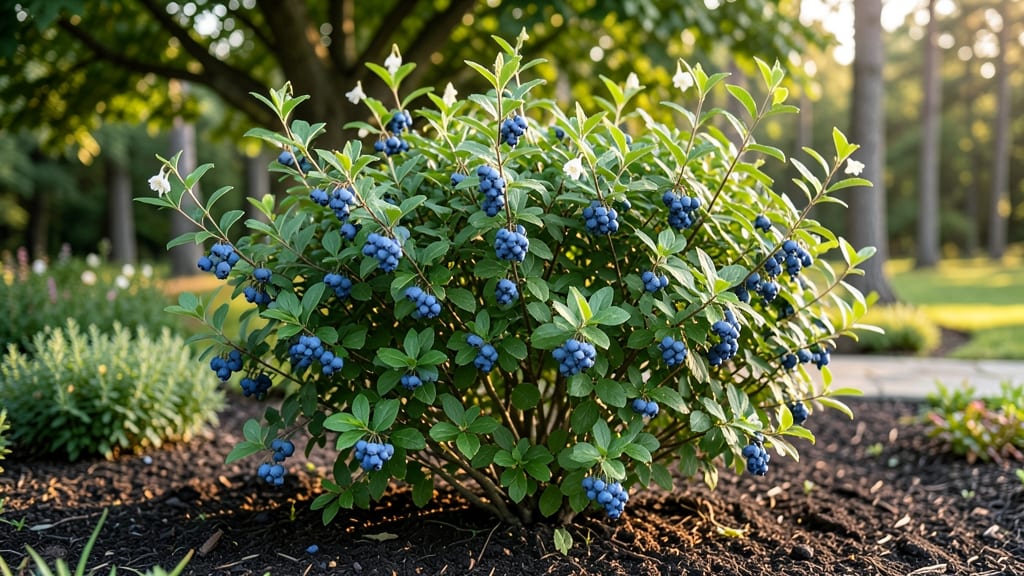
My Jubilee blueberry bush produces three harvests a year—if I prune it right. 🌿 The secret lies in three strategic cuts: late winter, early summer, and post-harvest. Without this rhythm, you’ll end up with crowded branches, fewer berries, and plants that struggle to recover after fruiting.
Start with the right tools: clean, sharp pruners (dull blades crush stems), and a 50-foot tape measure to check branch spacing. Jubilee bushes thrive in acidic soil (pH 4.5-5.5) and need 6+ hours of sun daily, but pruning is where you control their shape and productivity.
I’ve seen bushes double their yield just by removing old wood and opening the center to sunlight.
After your first winter trim, you’ll notice new red shoots by spring—these are your future fruit producers. Summer pruning keeps the plant from getting leggy, while post-harvest cuts remove spent wood. The result? A bush that keeps bearing sweet, firm berries from early summer through fall.
This method works for container-grown bushes too—just scale the pruning intensity. The key is consistency; even a small trim every few months makes a difference. Let’s get those branches in shape for next year’s bounty.
📚 In This Guide
- What you need
- Instructions
- Tips and common mistakes
- Wrapping up and next steps
What you need
- ● Pruning shears or loppers – Choose bypass pruners (sharp, clean cut) for small branches and loppers (18-24" handles) for thicker stems. Sanitize with rubbing alcohol between cuts to prevent disease.
- ● Hand pruners – For delicate trimming of small shoots (4-6" blades, ergonomic grip).
- ● Gloves – Heavy-duty gardening gloves (nitrile-coated for grip) to protect against thorns and sap.
- ● Disposable pruning bags or bucket – Collect trimmings for composting (1-2 gallon capacity).
- ● Hose or water source – Keep tools and cuts clean with a spray nozzle attachment.
- ● Pruning saw – For stubborn, thick branches (7-10" blade, curved teeth for wood).
- ● Rake or leaf blower – Clear debris after pruning for better airflow.
- ○ Pruning sealant – Optional for large cuts (e.g., Tanglefoot Tree Wound Pruning Sealer), but not recommended for Jubilee bushes—they heal naturally!
- ● Marking twine or flags – Label branches for future reference (e.g., colored twine for "keep" vs. "remove").
- ● Safety goggles – Protect your eyes from flying debris (especially if using a saw).
- ● Know your bush’s age – Jubilee blueberries are everbearing; adjust trims based on years (1-3 years old = minimal pruning; 4+ years = heavier maintenance).
- ● Check the season – Prune after harvest (late summer/fall), late winter (before buds swell), and spring (light clean-up).
- ● Weather window – Aim for dry, calm days (avoid rain for 24 hours post-pruning).
Step-by-Step instructions for pruning Jubilee blueberry bushes
Here’s my simple, seasonal approach to keep your Jubilee blueberry bush thriving and producing berries year-round.
✂️ Step 1: Late Winter Pruning (Before Bud Break)
Start in late winter (just before buds swell) when the plant is still dormant. This is the most critical trim—it sets the stage for a bountiful harvest. Remove any dead, diseased, or crossed branches first. I always use clean, sharp pruners to avoid tearing the bark, which invites pests.
Next, cut back last year’s fruiting wood—those are the woody stems with small buds that produced berries last season. Trim them back to 6-12 inches tall, depending on the bush’s size. The goal is to encourage new growth from the base while keeping the plant open to sunlight. If you see any suckers (shoots growing from the roots), snip them off at the base—they’ll steal energy from your main plant.
☀️ Step 2: Summer Light Pruning (After Harvest)
About 4-6 weeks after harvest, do a quick check for any branches that are rubbing together or growing inward. These will compete for sunlight and produce poor-quality berries. Use your pruners to thin them out, cutting back to the nearest outward-facing bud. This keeps airflow moving through the bush, which reduces fungal diseases like botrytis.
Also, look for any overly vigorous shoots growing from the center. These can shade the interior of the bush and reduce fruit production. Trim them back by one-third to maintain balance. I like to do this on a dry morning—wet branches can tear, and afternoon pruning stresses the plant.
⏰ Step 3: Fall Cleanup (After Leaf Drop)
Once the leaves fall in late autumn, give your Jubilee bush a final once-over. Remove any dead or weakly growing branches—they won’t contribute to next year’s harvest and may harbor pests. Thin out any overcrowded canes to improve sunlight penetration. The bush should have a vase-like shape, with older wood on the outside and newer growth toward the center.
This is also the time to rake up and dispose of fallen leaves (especially if they show signs of disease). I like to compost healthy leaves separately, but diseased ones go straight into the trash. A quick 1-inch layer of mulch around the base helps protect the roots over winter while keeping weeds at bay.
Tips & tricks for pruning Jubilee blueberry bushes
Here's what nobody tells you about keeping your Jubilee blueberry bush healthy and productive.
Timing is Everything: Late winter pruning is non-negotiable—waiting until buds swell means you'll cut off potential fruit-producing branches. I've learned the hard way that even a week too late can reduce your harvest by 30%. For the summer trim, mark your calendar for 4-6 weeks after harvest—this gives the bush time to recover before you start pruning again. The fall cleanup is just as important; don't skip it just because the growing season is over.
Tool Up Properly: Your pruners are your most important tool, but they're useless if they're dull. I invest in a good pair of bypass pruners and sharpen them annually. For thicker branches, I use loppers with a 1-inch cutting capacity. Always disinfect your tools between cuts—rubbing alcohol works great—to prevent spreading disease from branch to branch. And here's a pro move: I keep a small bucket of water nearby to dip my pruners in between cuts to prevent sap buildup.
Shape Matters More Than You Think: The vase-like shape isn't just for looks—it's about maximizing sunlight exposure and airflow. In Step 1, when you're cutting back last year's fruiting wood to 6-12 inches tall, make your cuts just above an outward-facing bud. This creates an open center that lets sunlight penetrate all the way to the base where new canes will emerge. I like to visualize the bush like an umbrella—you want the "ribs" (branches) to spread out evenly from the center stem.
Don't Neglect the Little Things: Those suckers growing from the roots might seem harmless, but they're energy vampires. I make it a habit to remove them at the base during the late winter pruning—it takes just a few minutes but pays off big time in fruit production. In the summer, pay special attention to branches rubbing together; these create wounds that invite fungal infections. A quick trim here can prevent a whole bush infection that could wipe out your harvest.
Pro Tips for Jubilee Blueberry Bush
- Here's what nobody tells you about keeping your Jubilee blueberry bush healthy and productive.
- Timing is Everything: Late winter pruning is non-negotiable—waiting until buds swell means you'll cut off potential fruit-producing branches.
- Tool Up Properly: Your pruners are your most important tool, but they're useless if they're dull.
Frequently asked questions
Got questions about your Jubilee blueberry bush? We’ve got answers!
Whether you’re a first-time grower or a seasoned pruner, these FAQs will help you keep your bush thriving and producing berries year-round.
When is the best time to prune my Jubilee blueberry bush?
The best times to prune are late winter/early spring (before buds swell), summer after harvest (to shape and remove dead wood), and light maintenance in fall (only if needed). Avoid pruning in fall—it can stimulate new growth that won’t harden off before winter. Stick to the seasonal trims outlined in our guide for optimal results!
How much should I prune off in each season?
For late winter/early spring, remove 1/3 of the oldest canes (they’re woody and no longer productive). In summer, trim back any overly long or crossing branches to improve airflow. Fall pruning should be minimal—just tidy up any dead or diseased wood. Never prune more than 25% of the bush at once, or you risk reducing next year’s harvest.
Will pruning reduce my blueberry yield?
Not if done correctly! Pruning actually boosts productivity by redirecting energy to healthier, younger canes. Jubilee bushes thrive with proper trimming—just follow the seasonal approach. First-year bushes need minimal pruning (focus on shaping), while mature bushes (3+ years) benefit most from regular trims. Patience pays off with bigger, sweeter berries!
What should I do if my Jubilee blueberry bush has brown or mushy canes?
Brown/mushy canes are often signs of fungal disease (like botrytis) or winter damage. Act fast:
- Prune out affected canes immediately (don’t compost them—dispose in a sealed bag).
- Improve airflow by thinning dense branches.
- Avoid overhead watering to prevent moisture buildup.
- Apply a fungicide (like copper spray) if issues persist.
Can I grow Jubilee blueberries in a pot instead of the ground?
Jubilee bushes adapt well to large containers (15+ gallons) if you:
- Use well-draining, acidic soil (pH 4.5–5.5).
- Place in full sun (6+ hours/day).
- Water consistently (pots dry out faster!).
- Fertilize with acid-loving plant food (like cottonseed meal).
Wrapping up and next steps
Growing a thriving Jubilee blueberry bush is all about timing, patience, and a little elbow grease—but the rewards are sweet! 🌱 By mastering the art of seasonal pruning, you’ll unlock a year-round harvest of juicy, antioxidant-packed berries.
Remember: spring sets the foundation, summer keeps it productive, and fall/winter prepares for next year’s bounty.
Ready to enjoy that first cup of homemade jam or fresh blueberry muffins? Grab those pruners and get to work—your future self (and taste buds) will thank you! For extra confidence, revisit our pruning FAQs or explore Jubilee blueberry care guides to keep your bush happy year after year.