
Pruning
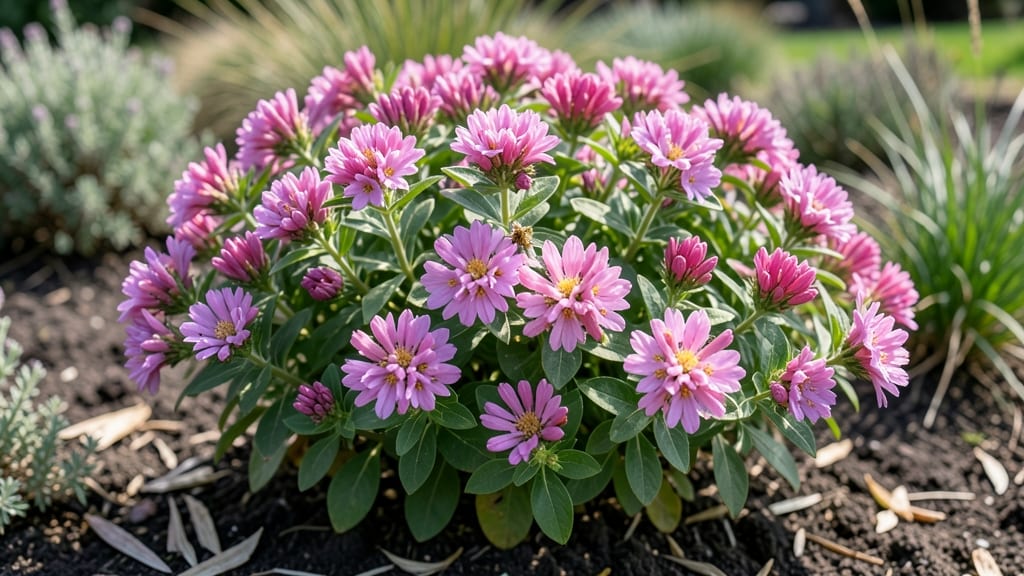
The Pink Lemonade bush turns your garden into a cloud of sweet-scented pink blooms with almost no effort. 🌸 I’ve grown mine for three seasons now, and it’s the only plant that thrives on neglect while still looking stunning—perfect for busy gardeners or those who love low-maintenance beauty.
This evergreen shrub (yes, it keeps its leaves year-round!) loves full sun but tolerates partial shade, making it adaptable to most yards. It’s drought-tolerant once established, so watering is simple: just keep the soil lightly moist for the first year, then let it go mostly dry between drinks.
The flowers attract butterflies and hummingbirds, turning your space into a pollinator paradise without extra work.
By late spring, you’ll see clusters of pink blooms that last through summer and even into fall, with glossy green leaves that add texture all year. The best part?
Minimal pruning—just trim back any leggy growth in early spring to keep it compact and bushy. It’s the kind of plant that rewards you for doing almost nothing.
Works beautifully in borders, containers, or as a standalone focal point. Whether you’re a beginner or a seasoned gardener, this bush delivers color and charm with almost no fuss. Ready to add some effortless beauty to your garden?
📚 In This Guide
- What you need
- Instructions
- Tips and common mistakes
- Wrapping up and next steps
What you need
- ● Pink Lemonade Bush Plant: 1 healthy nursery-grown plant (6-12 inches tall) or 3-5 cuttings from an established bush.
- ● Well-draining potting soil: 1 bag (10-15 lbs) of high-quality, organic potting mix (look for labels like "cactus/succulent blend" or "all-purpose with perlite").
- ● Container or garden bed: For containers: 1-2 pots (10-12 inches in diameter) with drainage holes.
- ● For in-ground planting: A sunny spot with at least 6 hours of sunlight daily and loose, well-draining soil.
- ● Pruning shears: 1 pair of sharp, clean bypass pruners (sterilize with rubbing alcohol before use).
- ○ Gloves: 1 pair of gardening gloves (optional but recommended to protect from thorns).
- ● Watering can or hose: With a gentle spray nozzle for hydration.
- ○ Fertilizer (optional but helpful): 1 bottle of balanced liquid fertilizer (10-10-10 or 20-20-20) or
- ● Slow-release granular fertilizer (like Osmocote) mixed into soil at planting.
- ● Mulch: Shredded bark or pebbles to retain moisture and suppress weeds.
- ● Plant support: A small cage or stakes if growing in a windy area.
- ● Insecticide (natural): Neem oil spray to deter pests like aphids or whiteflies.
- ● Growth regulator: A pinch of cinnamon or diluted hydrogen peroxide (1 part to 10 parts water) to prevent fungal issues.
Step-by-Step instructions for growing a pink lemonade bush
Here's my foolproof method for growing this fragrant, long-blooming shrub with minimal fuss.
🌱 Step 1: Choose the Perfect Planting Spot
Pick a location with full sun exposure (6-8 hours daily) and well-draining soil. I always check the spot first by digging a small hole—if water pools after 15 minutes, amend the soil with compost or sand to improve drainage. The Pink Lemonade bush thrives in USDA zones 7-11, so if you're in a cooler zone, plant it near a south-facing wall for winter protection.
This shrub loves heat and humidity, so avoid planting in windy areas where buds might dry out. I like to test the spot by placing a small pot of the plant there for a day—if it wilts or looks stressed, move to a sunnier location. The ideal spot will have rich, slightly acidic soil with a pH between 5.5 and 6.5.
🪴 Step 2: Plant at the Right Depth and Spacing
Dig a hole twice as wide as the root ball but only as deep—planting too deep can suffocate the roots. Gently loosen the roots if they're circling in the container, then place the shrub in the hole so the top of the root ball sits level with the surrounding soil. I always double-check this by running my finger along the soil line at the base of the plant.
Space plants 4-6 feet apart to allow for mature growth. If you're planting multiple bushes, arrange them in a loose cluster rather than a straight line—they'll fill in beautifully over time. Backfill the hole with native soil, tapping gently to remove air pockets, then water deeply to settle everything.
☀️ Step 3: Water and Fertilize for Strong Growth
Water the newly planted bush deeply once a week during the first growing season, allowing the top 2-3 inches of soil to dry out between waterings. Overwatering is the biggest mistake—you'll know it's time to water when the soil feels dry to the touch about an inch below the surface. I use a moisture meter for accuracy, especially in hot climates where evaporation happens fast.
Feed with a balanced, slow-release fertilizer (10-10-10) in early spring and again after the first flush of blooms. I avoid high-nitrogen fertilizers—they encourage leafy growth at the expense of flowers. Instead, I top-dress with compost in late fall to build soil fertility naturally. The bush will reward you with continuous blooms from spring through fall if cared for properly.
✂️ Step 4: Prune for Shape and Encourage More Blooms
The Pink Lemonade bush is one of the easiest shrubs to prune—just remove dead or crossing branches in late winter or early spring. I use clean, sharp pruners to make cuts just above a leaf node or outward-facing bud. This encourages bushier growth and more flowers. Avoid heavy pruning unless shaping—this shrub blooms on both old and new wood, so aggressive cuts can reduce flowering.
For a fuller look, trim back any leggy growth by one-third in late spring after the first flush of blooms. I always step back to check the shape—if the center looks bare, I thin out some of the older stems at the base to let light reach the interior. Deadhead spent blooms occasionally, but this bush is so prolific that it rarely needs it.
🌿 Step 5: Protect and Maintain for Year-Round Interest
In colder zones, mulch the base with 2-3 inches of organic mulch in late fall to insulate roots. I use shredded bark or pine needles—they break down slowly and improve soil structure over time. This helps the bush survive winter temperatures down to 0°F with minimal protection.
Watch for aphids or spider mites, which occasionally attack stressed plants. A strong spray of water usually knocks them off, but I keep a bottle of neem oil on hand for stubborn infestations. The fragrant foliage naturally deters most pests, so prevention is easier than cure. With proper care, your Pink Lemonade bush will reward you with vibrant pink blooms and lemon-scented leaves for years to come.
Tips & tricks for perfect pink lemonade bush growth
These simple strategies will help you cultivate a thriving, fragrant Pink Lemonade bush that blooms beautifully year after year.
Sunlight Secret: The 6-8 hours of full sun daily is non-negotiable for this bush. I've learned the hard way that even partial shade reduces blooms dramatically. If your yard has limited sun, consider planting in a large container that you can move to sunnier spots throughout the day. A south-facing window or patio works well for container growing—just rotate the pot every few days for even exposure.
Soil Test Tip: Testing your soil's pH before planting is worth the small investment. The ideal range of 5.5-6.5 can be tricky to achieve in alkaline soils. If your test shows higher than 6.5, mix in peat moss or sulfur to lower the pH gradually over time. I use a simple soil test kit available at garden centers—it's the difference between a bush that struggles and one that thrives.
Planting Depth Check: Getting the planting depth right is crucial in Step 2. After placing your bush in the hole, press your finger gently against the soil line at the base of the plant—it should feel firm but not packed down. If you can see the top of the root ball above soil level, add a little more dirt. I've seen many gardeners bury the plant too deep, which suffocates the stem and causes rot.
Watering Wisdom: The once-weekly deep watering in Step 3 is perfect for establishing roots, but timing matters. Water in the morning so the foliage has all day to dry, preventing fungal issues. In extreme heat, you might need to water every 5-6 days instead—always check that top 2-3 inches of soil. I've found that mulching right after planting helps retain moisture and keeps roots cool during summer.
Pro Tips for Pink Lemonade Bush
- These simple strategies will help you cultivate a thriving, fragrant Pink Lemonade bush that blooms beautifully year after year.
- Sunlight Secret: The 6-8 hours of full sun daily is non-negotiable for this bush.
- Soil Test Tip: Testing your soil's pH before planting is worth the small investment.
Frequently asked questions
Got questions about growing and maintaining your pink lemonade bush? You’re not alone! Here are some of the most common queries—plus quick, actionable answers to keep your plant thriving.
How fast does a pink lemonade bush grow, and how big will it get?
A healthy Rhus aromatica ‘Gro-Low’ (pink lemonade bush) grows about 6–12 inches per year and typically matures to 3–5 feet tall and wide. With regular pruning, you can shape it into a compact hedge or a low, sprawling ground cover. For faster growth, ensure it gets full sun to partial shade and well-draining soil.
When is the best time to prune for maximum blooms?
Prune your pink lemonade bush right after flowering (late spring/early summer) to encourage lush, continuous blooms. Avoid heavy pruning in fall or winter, as new growth may not harden off before cold snaps. Light trimming to shape or remove dead foliage can happen anytime, but never prune more than ⅓ of the plant at once.
Can pink lemonade bush survive winter, and how do I protect it?
This hardy shrub thrives in USDA Zones 3–9 and tolerates winter temps down to -30°F. In colder climates, mulch the base with 2–3 inches of organic mulch (like shredded bark) to insulate roots. Avoid pruning in late fall—wait until early spring to check for winter damage and trim dead stems.
What should I do if my pink lemonade bush isn’t blooming?
Lack of blooms often stems from over-pruning, poor sunlight, or nutrient deficiencies. Try these fixes:
- Move it to a sunnier spot (at least 6 hours of direct sun daily).
- Fertilize lightly in early spring with a balanced 10-10-10 fertilizer.
- Avoid heavy pruning—let it grow naturally for a season to rebuild energy.
- Check for pests like spider mites or aphids, which can stress the plant.
Are there alternatives to pink lemonade bush for similar color and low-maintenance care?
If you love the pink blooms and easy-care vibe but want options, try:
- Dwarf Butterfly Bush (Buddleja davidii ‘Nana Purple’) – Compact, fragrant, and attracts pollinators.
- Heavenly Bamboo (Nandina domestica) – Evergreen with pinkish-red berries and minimal pruning needs.
- Coral Bells (Heuchera ‘Plum Pudding’) – Grown for foliage but has delicate pinkish stems and thrives in shade.
- Dwarf Fothergilla (Fothergilla gardenii) – Small tree/shrub with spring pink blooms and fall color.
Wrapping up and next steps
The Pink Lemonade Bush is a vibrant, low-maintenance star that brings bursts of color to your garden with minimal effort! Whether you’re a pruning pro or a beginner, its resilience and stunning blooms make it a dream plant.
With just a little care—like light trimming and regular watering—you’ll enjoy year-round beauty without the fuss.
Ready to dive in? Start by selecting your spot—sunny, well-drained soil is key—and grab your tools. Then, follow the steps to nurture your bush into a thriving, blooming masterpiece! 🌸🌿