
How To
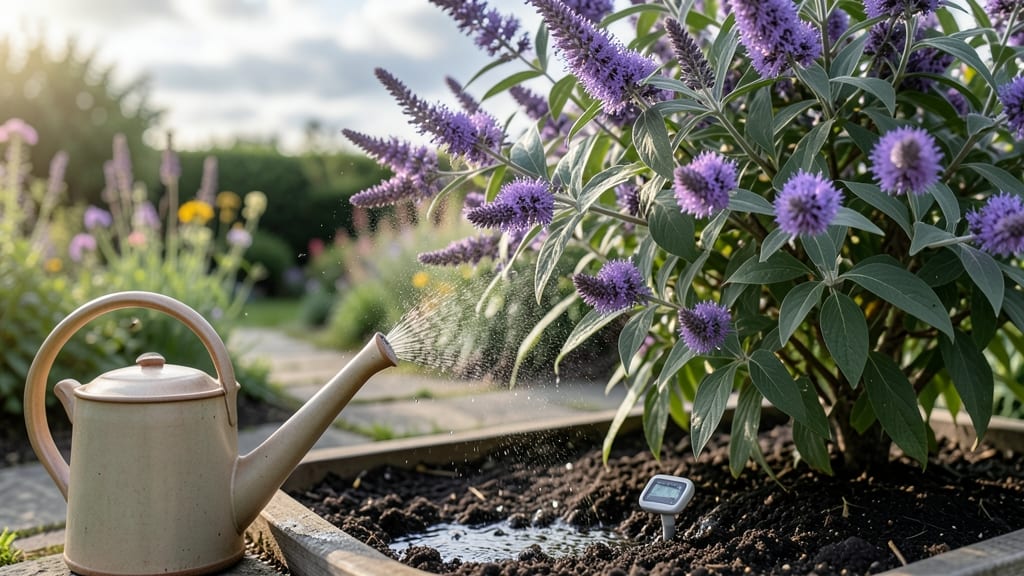
Watering your butterfly bush 🦋 the right way means checking soil moisture every 3-5 days—but that schedule changes with heat, soil type, and plant age.
If you’ve ever watched your butterfly bush’s vibrant blooms fade into sad, drooping branches, you’re not alone. The problem isn’t always about how much you water—it’s about when. Overwatering drowns roots, while underwatering stresses the plant, and both lead to fewer flowers and weaker growth.
This guide cuts through the guesswork with a simple soil test method to water only when your butterfly bush truly needs it.
Whether you’re in Zone 6a or a hotter climate, you’ll learn how to adjust for seasonal shifts, recognize the early signs of over- or under-watering, and keep your shrub thriving year after year.
By the end, you’ll know exactly how deep to water, when to skip a day, and why a morning routine makes all the difference. No more wasted water, no more wilted disappointment—just a bush that blooms like it’s supposed to.
The 3-Step soil test method to determine butterfly bush watering frequency
Your butterfly bush (Buddleia) thrives when you water it just right—not too much, not too little. The key lies in understanding your soil’s moisture levels, not following a rigid schedule.
This 3-step soil test method helps you gauge when your plant truly needs water, saving you time and keeping those vibrant blooms healthy all season.
Most gardeners make the mistake of watering on a fixed schedule, which can lead to either root rot from overwatering or drought stress from underwatering. Instead, focus on the soil’s condition—your butterfly bush’s roots will thank you.
This method works for spring, summer, and fall, with adjustments for seasonal changes in moisture needs.
Before diving in, grab a small trowel or your finger—yes, your finger!—and head to your butterfly bush’s base. The first step is simple: check the soil depth.
Most shrubs, including butterfly bushes, need water when the top 2-3 inches of soil feel dry. This depth ensures you’re watering deeply enough to encourage strong root growth.
Use your finger or a trowel to check the soil 2-3 inches deep.
Grab a handful of soil—if it’s light and crumbly, it’s dry. If it’s heavy and clumps together, it’s still moist.
Press the soil—if it feels damp but not soggy, your butterfly bush doesn’t need water yet.
In spring, your butterfly bush is establishing roots, so the soil may stay moist longer. Test every 3-4 days but only water if the top 2 inches are dry. Overwatering now can suffocate young roots.
Aim for deep watering—this means soaking the soil until water runs out the bottom of the pot or drains 6 inches deep into the ground.
When summer’s heat rolls in, your butterfly bush’s water needs spike. The soil dries out faster, so check it every 2-3 days. Look for wilted leaves or a lighter soil color as signs it’s thirsty.
Water deeply in the early morning to prevent evaporation and fungal issues. Mulch around the base to retain moisture and keep roots cool—this can reduce watering frequency by 20-30%.
As fall approaches, your butterfly bush slows down, and the soil stays moist longer. Reduce watering to every 5-7 days and rely on your soil test to guide you. Avoid watering in the evening, as damp foliage can attract pests or diseases.
By late fall, most butterfly bushes enter dormancy, so cut back to monthly watering or only when the soil feels bone-dry.
One common mistake is assuming container-grown butterfly bushes need more frequent watering than in-ground plants. Actually, pots dry out faster, so check the soil daily in extreme heat. Use a well-draining potting mix and ensure the container has drainage holes.
If the soil feels dry at the 1-inch mark, it’s time to water—deeply, until water flows from the drainage hole.
Pay attention to your local climate and microclimate. If you’re in a humid region, the soil may stay moist longer, while arid climates demand more frequent checks.
Adjust your testing frequency accordingly. For example, in Zone 6a, where butterfly bushes thrive, summer watering might require daily checks, while winter might only need monthly attention.
Over time, you’ll develop an intuition for your butterfly bush’s needs. Keep a gardening journal to track soil conditions, watering dates, and blooming patterns. This helps you fine-tune your approach year after year.
With this method, you’ll avoid the guesswork and give your butterfly bush the perfect balance of moisture for lush, long-lasting blooms.
Remember, the goal isn’t to water on a schedule—it’s to water when your butterfly bush needs it. Your soil test is your best tool for achieving that balance. Happy gardening! 🦋💧
Butterfly bush watering schedule by season: what the experts recommend
Your butterfly bush thrives on consistency, but seasonal changes dramatically alter its water needs. In spring, focus on establishing roots with deep watering every 3-4 days, while summer heat demands more frequent checks—often every 2-3 days—to prevent wilting.
Fall brings a shift to drying soil management, requiring less water as the plant prepares for dormancy.
Many gardeners make the mistake of sticking to a rigid schedule, leading to root rot or drought stress.
Instead, use the soil test method (finger depth and moisture check) to adjust frequency based on real-time conditions. Morning watering is ideal—it reduces evaporation and fungal risks while giving roots time to absorb moisture before evening.
Here’s a season-by-season breakdown to keep your Buddleia blooming beautifully year-round:
| Season | Frequency | Key Tips |
|---|---|---|
| Spring | Every 3-4 days | Focus on deep watering to encourage root growth. Avoid soggy soil. |
| Summer | Every 2-3 days | Increase frequency during heatwaves. Water early morning to prevent evaporation. |
| Fall | Every 5-7 days | Reduce watering as soil dries faster. Stop fertilizing to prepare for dormancy. |
| Winter | Monthly | Water only if soil feels completely dry. Mulch to retain moisture. |
For container-grown butterfly bushes, water every 2-3 days in summer, as pots dry out faster than in-ground plants.
Always check the top 2 inches of soil—if it’s dry, it’s time to water. Mulching with organic material (like shredded bark) helps retain moisture and regulates soil temperature, reducing your workload during peak seasons.
Watch for yellowing leaves or drooping stems, which signal overwatering or underwatering, respectively. Adjust your schedule immediately—your butterfly bush’s health depends on your ability to read these cues. Prune dead blooms regularly to redirect energy to root and stem growth, not just flowers.
With this seasonal guide, your butterfly bush will reward you with vibrant blooms from early summer to fall. The key is flexibility—adjust based on weather, soil type, and your plant’s unique response. Happy gardening!