
Shrubs
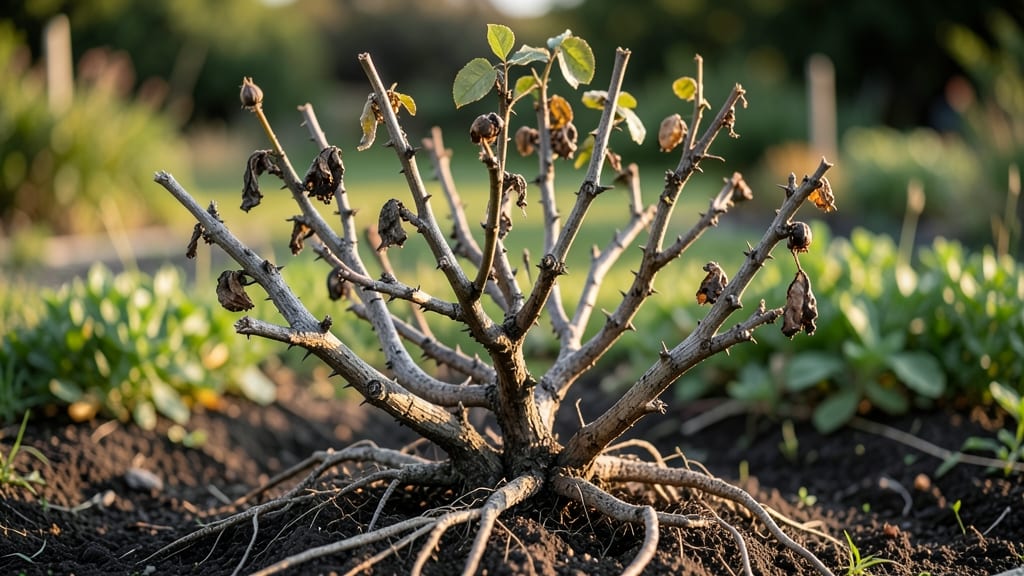
Seeing pictures of the dead rose bushes you thought were lost—blackened stems and sparse leaves—can feel devastating, but they’re often just waiting for the right care to make a comeback. 🌹 I’ve nursed back more "dead" roses than I’d like to admit, and the key is always in the stems, not just the soil.
What looks hopeless often just needs a targeted approach, whether it’s pruning out the deadwood or addressing hidden fungal infections before they spread.
The most common culprits are overwatering (which suffocates roots), fungal diseases like black spot (those ugly purple spots on leaves), and pests like Japanese beetles that skeletonize foliage.
My roses came back stronger after I stopped guessing and started testing—checking soil moisture with my finger, inspecting stems for cankers, and using neem oil for pests instead of harsh chemicals.
You’ll see new growth within 2-3 weeks if you tackle the right issues first: prune dead stems down to healthy buds, adjust watering to 1-2 inches per week, and apply a fungicide if you spot black spot.
The best part? Roses are resilient—they’ll bounce back faster than you think once you address the root cause (literally).
This works for hybrid teas, floribundas, and even old garden roses. The secret isn’t fancy tools—it’s observing closely and acting fast. Let’s turn those sad stems into a comeback story.
Root Causes Behind Dying Roses
Seeing your once-vibrant rose bushes turn into pictures of dead rose bushes is heartbreaking—but understanding the science behind their decline is the first step to revival. Roses are resilient, but they’re also sensitive to environmental stressors, pests, and cultural mistakes.
Below, we break down the most common reasons your roses might be struggling, along with the specific triggers that turn lush green into crispy brown.
Roses need consistent moisture, but too much water—or waterlogged soil—can suffocate their roots. Here’s why it happens:
- Root Rot (Phytophthora spp.): When soil stays soggy for days, fungal pathogens thrive in the anaerobic (oxygen-poor) environment, attacking roots. Symptoms include black, mushy stems at the base and a foul smell.
- Nutrient Leaching: Excess water washes away essential nutrients like nitrogen and phosphorus, starving the plant. Over time, this weakens the bush’s ability to produce new growth.
- Compacted Soil: Heavy clay or poorly amended soil traps water, preventing roots from accessing oxygen. Compacted zones (often 2–4 inches deep) restrict root expansion, leading to stunted growth.
Actionable Fix: Test your soil’s drainage by digging a 6-inch hole, filling it with water, and timing how long it takes to drain. If it’s slower than 4–6 hours, amend with compost or perlite to improve aeration. Water deeply 2–3 times per week (adjust for climate) and avoid overhead watering in the evening.
While overwatering is a common killer, drought stress can be just as deadly—especially in hot summers. Roses wilt dramatically when they can’t pull enough water from the soil, and prolonged stress leads to irreversible damage.
- Leaf Scorch: When transpiration (water loss through leaves) outpaces uptake, edges turn brown and crispy. This is often seen in full sun without adequate hydration.
- Root Shrinkage: Chronic dehydration causes roots to recede, reducing their surface area for water absorption. Once roots die back, the plant can’t recover.
- Pest Invitation: Stressed roses attract Japanese beetles and aphids, which further drain the plant’s energy.
Actionable Fix:
- 💡 Mulch heavily (3–4 inches of organic mulch like straw) to retain moisture and regulate soil temperature.
- 🌡️ Water early morning (6–9 AM) to minimize evaporation and fungal risks.
- ✨ Consider drip irrigation for consistent, slow watering at the root zone.
Roses are a magnet for pests and pathogens, which can rapidly turn a healthy bush into a skeleton. Here’s what’s likely attacking yours:
| Culprit | How It Kills | Tell-Tale Signs |
|---|---|---|
| Black Spot (Diplocarpon rosae) | Fungus clogs leaf pores, blocking photosynthesis. Leaves yellow and drop, starving the plant. | Black spots with yellow halos; defoliation in humid weather. |
| Japanese Beetles | Adults skeletonize leaves, while larvae eat roots, reducing water/nutrient uptake. | Chewed leaves, sawdust-like frass (poop), and wilting despite watering. |
| Root Weevils | Larvae girdle roots, cutting off water flow. Adults chew leaves at night. | Wilting that worsens at night; sawdust-like frass at base of plant. |
| Powdery Mildew (Erysiphe spp.) | Fungal film blocks sunlight, causing leaves to yellow and drop. | White powdery coating on leaves; stunted growth. |
Actionable Fix:
- 🔥 Prune infected leaves immediately (sterilize tools with rubbing alcohol) and dispose of them in the trash not the compost.
- 👨🍳 Apply neem oil or bacillus thuringiensis (Bt) for pests; use copper fungicide for black spot.
- 🌡️ Improve airflow with spaced pruning (remove crowded canes) and avoid overhead watering.
Roses are heavy feeders and demand a balanced diet. When soil lacks key nutrients or has pH imbalances, they visibly suffer—often starting with yellowing leaves or stunted blooms.
- Nitrogen (N) Deficiency: Leaves turn pale green or yellow (chlorosis), and growth slows. Common in sandy or overworked soil.
- Phosphorus (P) Deficiency: Dark green leaves with purple stems; weak root development. Often seen in cool, wet soils.
- Potassium (K) Deficiency: Brown leaf edges (scorch) and poor disease resistance. Happens in high-sodium or acidic soils.
- Iron (Fe) or Zinc (Zn) Deficiency: Yellowing between leaf veins (interveinal chlorosis), even if soil has enough nutrients. Alkaline soils (pH >7.0) lock out these micronutrients.
Actionable Fix:
- 📊 Test your soil (DIY kits or lab tests) and amend based on results. Aim for a pH of 6.0–6.5 for roses.
- 💪 Feed with a balanced rose fertilizer (10-10-10 or 5-10-5) in early spring and mid-summer.
- ✨ For micronutrients, use chelated iron or Epsom salt (magnesium sulfate) for quick fixes.
Even in mild climates, freeze damage can kill rose canes without obvious signs until spring. Here’s how it happens:
- Cell Rupture: When water inside plant cells freezes, it expands and tears cell walls, causing brown, mushy stems.
- Desiccation: Cold, dry winds sap moisture from unprotected canes, leading to winter burn (brown, crispy stems).
- Fungal Entry Points: Damaged bark provides entry for canker diseases (e.g., Botryosphaeria), which girdle the plant.
Reviving Your Dying Rose Bushes
Reviving a dead rose bush isn’t always impossible—it just takes the right approach! Below, we’ll break down the most common causes of wilting, brown stems, and overall decline, along with practical, step-by-step fixes to bring your roses back to life.
Plus, we’ll share prevention tips to keep your garden thriving long-term.
Signs: Yellowing leaves, mushy stems, foul-smelling soil, or roots that appear black and slimy.
How to Fix It: 🔥 Step 1: Stop Watering Immediately
- Let the soil dry out completely before watering again. Overwatering is the #1 killer of rose bushes—roots need air too!
🍳 Step 2: Improve Drainage
- If your roses are in the ground, amend the soil with compost, perlite, or coarse sand to loosen it up.
- For potted roses, repot into a container with drainage holes and a mix of potting soil and perlite.
👨🍳 Step 3: Prune Damaged Stems
- Use sterilized pruners to cut back any black, mushy, or soft stems at a 45-degree angle, ¼ inch above healthy tissue.
🥘 Step 4: Apply Fungicide (If Needed)
- If root rot has set in, spray with a copper-based fungicide or hydrogen peroxide (3%) to kill fungus.
💡 Prevention Tip: Water deeply but infrequently—aim for 1–1.5 inches per week, and always water at the base, not the leaves.
Signs: Crispy, brown edges on leaves, wilted stems that don’t bounce back when watered, dry soil.
How to Fix It: 🔥 Step 1: Deep Watering Session
- Water slowly and deeply until the soil is moist 6–8 inches down. Use a soaker hose or drip irrigation for even coverage.
🍳 Step 2: Mulch to Retain Moisture
- Spread 2–3 inches of organic mulch (wood chips, straw, or pine bark) around the base (but not touching the stems) to lock in moisture.
👨🍳 Step 3: Provide Afternoon Shade
- If your roses are in a hot, sunny spot, use shade cloth (30–50%) during peak heat (11 AM–3 PM).
🥘 Step 4: Trim Sun-Scalded Leaves
- Remove any bleached or crispy leaves with clean pruners to reduce stress on the plant.
🌡️ Prevention Tip: Water in the early morning to prevent evaporation and fungal growth. Drought-resistant rose varieties (like ‘Knock Out’ roses) handle heat better.
Signs: Black spots with yellow halos, white powdery coating, or leaves curling and dropping.
How to Fix It: 🔥 Step 1: Remove Infected Leaves
- Dispose of (don’t compost!) all diseased leaves and stems. Bag and trash them to prevent spread.
🍳 Step 2: Apply Neem Oil or Fungicide
- Spray with neem oil (1 tsp per quart of water) or a copper fungicide every 7–10 days until the issue clears.
👨🍳 Step 3: Improve Air Circulation
- Prune back overgrown branches to allow sunlight and air to reach the center of the bush.
🥘 Step 4: Water at the Base
- Avoid wetting leaves—water only at the soil level to reduce fungal spores.
✨ Prevention Tip: Space roses 3–4 feet apart for airflow. Resistant varieties (like ‘Dr. Huey’ or ‘The Fairy’) fight diseases better.
Signs: Sticky residue (honeydew), tiny webs, chewed leaves, or visible bugs on stems.
How to Fix It: 🔥 Step 1: Blast Off Pests
- Use a strong spray of water to knock off aphids or spider mites. Repeat every few days.
🍳 Step 2: Apply Insecticidal Soap or Oil
- Mix 1 tbsp mild dish soap + 1 quart water and spray directly on pests (avoid flowers if possible).
👨🍳 Step 3: Introduce Beneficial Insects
- Ladybugs, lacewings, or nematodes eat aphids naturally. Buy them from garden centers!
🥘 Step 4: Set Traps for Beetles
- Japanese beetle traps (or DIY with a bucket of soapy water) can reduce their numbers.
🎯 Prevention Tip: Encourage predator plants like marigolds or nasturtiums nearby—they repel pests!
Signs: Pale yellow leaves (nitrogen deficiency), weak stems, slow growth, or small buds.
How to Fix It: 🔥 Step 1: Test Your Soil
- Use a DIY soil test kit (available at garden centers) to check pH and nutrient levels. Roses prefer slightly acidic soil (6.0–6.5).
🍳 Step 2: Fertilize Properly
- Spring: Use a balanced fertilizer (10-10-10) when new growth appears.
- Summer: Switch to a low-nitrogen, high-phosphorus (5-10-10) to boost blooms.
- Fall: Add compost or bone meal for winter strength.
👨🍳 Step 3: Use Organic Boosts
- Epsom salt (1 tbsp per gallon of water) can fix magnesium deficiency (yellow leaves with green veins).
- Fish emulsion or worm castings provide slow-release nutrients.
🥘 Step 4: Prune for Better Growth
- Cut back dead or crossing branches to redirect energy to healthy stems.
💡 Prevention Tip: Fertilize in small doses—too much can burn roots! Avoid high-nitrogen fertilizers in late summer (they encourage leafy growth over blooms).
Signs: Blackened canes, cracked bark, or delayed spring growth.
How to Fix It: 🔥 Step 1: Prune Dead Wood
- Cut back any black, mushy, or hollow stems in early spring before new growth starts.
🍳 Step 2: Apply Mulch for Insulation
- Pile 4–6 inches of mulch around the base after the ground freezes to protect roots.
👨🍳 Step 3: Wrap Young Roses
- For newly planted roses, wrap canes in burlap or rose cones and cover with straw or leaves.
🥘 Step 4: Wait Before Fertilizing
- Don’t fertilize until you see new buds—waiting ensures roots aren’t stressed by cold.
✨ Prevention Tip: Choose cold-hardy varieties (like ‘Canada Peace’ or ‘Blaze’) for harsh winters. Avoid pruning in fall—wait until spring!
If your rose bush is beyond saving (severe disease, root rot, or pest damage), don’t give up—propagate from healthy canes!
🔥 How to Propagate:
- Cut 6–8 inch sections from healthy, non-flowering stems in early summer.
- Remove lower leaves, dip in rooting hormone, and plant in moist potting mix.
- Keep humid (use a plastic bag) and out of direct sun until roots form (4–6 weeks).
Frequently asked questions
1Why do my rose bushes look dead even after watering?
Overwatering is often the culprit! When soil stays soggy, roots suffocate from lack of oxygen, leading to root rot. Check for black, mushy stems at the base—this is a red flag. Let the soil dry out completely between waterings (aim for 1-1.5 inches per week) and improve drainage with compost or perlite.
2Can I save a rose bush with black spots on the leaves?
Yes, but act fast! Those black spots are likely black spot fungus, which spreads quickly. Prune infected leaves immediately (don’t compost them!) and apply copper fungicide or neem oil every 7-10 days. Improve airflow by spacing canes and watering at the base instead of overhead.
3What’s the difference between dead rose stems and dormant ones?
Dead stems are brown, brittle, and hollow when cut open, while dormant stems feel firm and may have green buds underneath. If you see any green tissue, the bush isn’t truly dead—just resting. Prune only the completely dead wood in late winter/early spring before new growth starts.
4How do I know if my rose bush is beyond saving?
If the entire root system is black and mushy (root rot) or the bush has no green tissue at all (even after pruning), it’s likely too far gone. However, if you see any green buds or shoots, propagate healthy canes to grow new plants—roses root easily from cuttings!
5Will mulch help revive a dead-looking rose bush?
Mulch (2-3 inches of organic material) helps by retaining moisture, regulating soil temperature, and preventing fungal spores from splashing onto leaves. For struggling bushes, use straw or wood chips—just keep it 2-3 inches away from the stem to avoid rot.