
Pruning
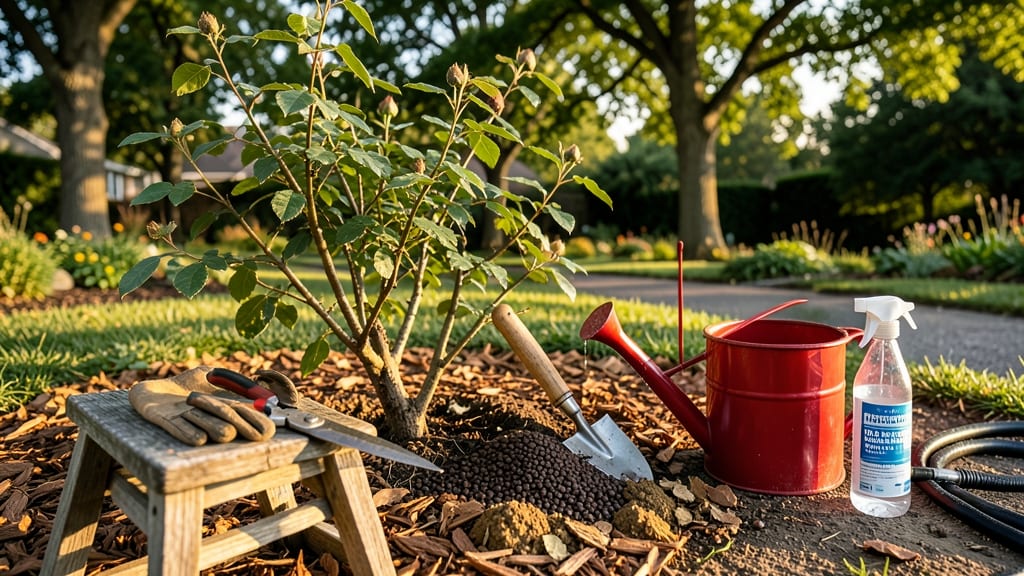
Your rose bush isn’t dead—how to bring back a dead rose bush starts with the right wake-up call. ✂️ Three strategic cuts this spring could mean the difference between a bare stem and a bush bursting with blooms by summer.
I’ve revived bushes that looked hopeless with these same techniques, and the secret starts with understanding what’s really wrong below the soil.
Most "dead" roses aren’t actually dead—they’re suffering from one of three issues: root damage (often from overwatering or poor drainage), disease (like black spot or canker), or pruning gone wrong. The good news?
You can test for root health with a simple finger probe, and the right cuts encourage new growth faster than any fertilizer. We’ll focus on the 3 critical pruning angles that force energy upward instead of outward.
By late May, you’ll see fresh green shoots pushing through the old wood—proof the bush is alive. The key is patience: these cuts take 6-8 weeks to show results, but once they do, your bush will outperform last year’s blooms.
We’ll cover exactly where to cut, what to look for in the stems, and how to adjust watering to avoid repeating last season’s mistakes.
This works for hybrid teas, floribundas, and even old garden roses—just adjust the timing based on your last frost date. The worst that can happen is you prune a little too aggressively (and we’ll show you how to fix that too). Let’s turn that bare skeleton into next summer’s showstopper.
Root Causes Of Rose Bush Decline
Seeing your once-vibrant rose bush turn crispy and lifeless can feel like a gardening heartbreak—but understanding the why behind its decline is the first step to revival. Roses are tough, but they’re also finicky, and their health hinges on a delicate balance of care.
Below, we break down the most common culprits that turn lush blooms into sad, brown sticks. Each cause has a scientific root (literally and figuratively), and knowing them will help you diagnose—and fix—your rose’s woes.
🌱 Overwatering Or Poor Drainage
Roses hate soggy feet. When soil stays too wet—whether from overzealous watering, compacted clay, or a lack of drainage holes in containers—the roots suffocate.
Without oxygen, they can’t absorb nutrients or water efficiently, leading to root rot, a fungal infection that gums up the roots like a wet sock in winter.
- How it happens: Overwatering (especially in heavy rain or without checking soil moisture) or planting in low-lying areas where water pools.
- Science behind it: Fungal pathogens like Phytophthora thrive in waterlogged soil, blocking root cells and cutting off the plant’s lifeline.
- Actionable sign: Yellowing leaves, black or mushy stems at the base, or a foul smell from the soil.
☀️ Underwatering Or Drought Stress
On the flip side, roses despise drought as much as they hate soggy conditions. When soil dries out completely, roots shrink and die back, leaving the bush unable to support itself. Chronic dehydration causes wilting, then dieback, as the plant sheds leaves and stems to conserve energy.
- How it happens: Skipping water during heatwaves, relying on rain alone, or using mulch improperly (trapping heat instead of moisture).
- Science behind it: Roots rely on a thin film of water around soil particles to absorb nutrients. Without it, cells collapse, and the plant triggers abscission (dropping leaves) to survive.
- Actionable sign: Crispy, brown leaf edges; stems that snap easily; or a bush that wilts even when watered (a sign of permanent root damage).
🍄 Fungal Or Bacterial Infections
Roses are magnets for fungal and bacterial invaders, especially in humid or crowded gardens. Black spot, powdery mildew, and canker (a bacterial stem rot) are the top villains. These pathogens clog stomata (leaf pores), preventing gas exchange and starving the plant.
- How it happens:
- Black spot: Spreads via water splashing on leaves (common with overhead irrigation).
- Powdery mildew: Thrives in shady, humid conditions (like crowded rose bushes).
- Canker: Enters through pruning cuts or wounds, especially in wet weather.
- Science behind it: Fungi release toxins that disrupt chlorophyll production, turning leaves yellow or black. Bacteria like Pseudomonas create gummy oozes that seal off vascular tissue, cutting off water and nutrients.
- Actionable sign:
- Black spots with yellow halos (black spot).
- White, powdery residue on leaves (mildew).
- Oozing, sunken lesions on stems (canker).
❄️ Freeze Damage Or Winter Burn
Roses are hardy, but sudden cold snaps or harsh winters can freeze the cambium layer—the growth tissue under the bark.
This disrupts nutrient flow, causing stems to blacken or split. Winter burn (desiccation from dry winter air) also dries out leaves and twigs, leaving them crispy and dead by spring.
- How it happens:
- Freeze damage: Temperatures dropping below 15°F (-9°C) for prolonged periods.
- Winter burn: Low humidity + wind + sun exposure (e.g., south-facing bushes).
- Science behind it: Ice crystals form in plant cells, rupturing membranes. Winter burn occurs when transpiration (water loss) outpaces root uptake, causing cellular dehydration.
- Actionable sign: Dark, sunken patches on stems; brittle, brown leaves; or dead twigs that snap like dry kindling.
🪰 Poor Pruning Or Physical Trauma
Aggressive pruning, broken stems, or animal damage (like rabbits gnawing on bark) can sever the plant’s vascular system. If too many stems are cut or damaged, the bush loses its ability to transport water and sugars, leading to dieback from the top down.
- How it happens:
- Over-pruning: Cutting into old wood (brown centers) or removing more than ⅓ of the bush in one go.
- Improper cuts: Leaving stubs or tearing bark, which invites disease.
- Physical damage: Heavy snow, hail, or pests chewing stems.
- Science behind it: The phloem (sugar transport) and xylem (water transport) are like a plant’s circulatory system. Damage disrupts this flow, causing wilting or death above the injury.
- Actionable sign: Jagged cuts, exposed wood, or dead branches starting at the tips and working downward.
🌿 Nutrient Deficiencies Or Soil Issues
Roses are heavy feeders, and poor soil can starve them. Lack of nitrogen (for leaf growth), phosphorus (for roots), or potassium (for disease resistance) weakens the plant. Compacted or alkaline soil also locks out essential micronutrients like iron or manganese.
- How it happens:
- Depleted soil: No fertilizer or compost added for years.
- Improper pH: Roses prefer 6.0–6.5; alkaline soil (pH >7) blocks iron uptake.
- Compacted soil: Heavy foot traffic or clay prevents roots from spreading.
- Science behind it: Nutrients like iron (for chlorophyll) or magnesium (for enzymes) become unavailable if soil pH is off. Compacted soil reduces oxygen, suffocating roots.
- Actionable sign:
- Yellow leaves between veins (iron deficiency).
- Purple stems or small, weak leaves (phosphorus deficiency).
- Slow growth or stunted new shoots.
🐛 Pest Infestations
Sap-sucking pests like aphids, Japanese beetles, or rose slugs (sawfly larvae) weaken roses by draining their sap. Worse, they spread viruses or create entry points for disease. Heavy infestations can defoliate a bush overnight, leaving it vulnerable to sunburn or stress.
- How it happens:
- Aphids: Cluster on new growth, excreting honeydew (a
Revive Your Rose Bush Now
A dead rose bush isn’t always a lost cause—often, it’s just waiting for the right care to bounce back to life. Below, we’ll match common issues with practical fixes, step by step.
Think of this as your rose bush’s emergency room visit—fast, effective, and designed to get it thriving again.
Symptoms: Yellowing leaves, mushy stems, foul-smelling soil, or wilting despite wet soil.
How to Treat It:
- 🚰 Stop Watering Immediately
- Let the soil dry out completely before watering again. Overwatering suffocates roots and invites rot.
- 🔪 Prune Damaged Areas
- Use sterilized pruners to cut away black, mushy stems or branches. Snip just above a healthy bud or outward-facing leaf.
- 🌡️ Improve Drainage
- Mix perlite or coarse sand into the soil to aerate it. If the pot has no drainage holes, repot into one with them.
- Pro Tip: 💡 Elevate pots on saucers or stands to prevent water pooling.
- 🍄 Fungal Treatment (If Needed)
- Sprinkle copper fungicide or baking soda solution (1 tbsp baking soda + 1 quart water + a drop of dish soap) on the soil to combat rot.
Prevention:
- Water deeply but infrequently—only when the top 2 inches of soil are dry.
- Choose well-draining soil mixes labeled for roses or shrubs.
Symptoms: Crispy, brown leaf edges, bleached spots, or stunted growth after a sudden heatwave.
How to Treat It:
- 🌿 Provide Shade Temporarily
- Move potted roses to a morning sun or dappled shade spot for 1–2 weeks. Use shade cloth (30–50%) if outdoors.
- 💦 Hydrate Deeply
- Water early in the morning to reduce evaporation. Aim for 1–1.5 inches per week, including rainfall.
- 🍃 Trim Damaged Foliage
- Snip off only the worst-affected leaves (never more than 1/3 of the plant). Healthy leaves can photosynthesize and recover faster.
- 🌱 Boost Nutrients
- Feed with a balanced fertilizer (10-10-10) or seaweed extract to strengthen cell walls. Avoid high-nitrogen fertilizers—they stress heat-sensitive roses.
Prevention:
- Acclimate roses gradually to full sun (start with 4–6 hours/day, then increase).
- Mulch heavily (2–3 inches of organic mulch) to retain moisture and cool roots.
Symptoms: Blackened canes, dried leaves, or no new growth in spring.
How to Treat It:
- 🔍 Assess the Damage
- Gently scratch the bark on canes—green underneath? The bush is alive! Brown or hollow? Prune it out.
- 🌿 Prune Dead Wood
- Cut back all black, brittle canes to the ground. For partially damaged canes, trim to healthy green wood.
- 🌱 Stimulate New Growth
- Apply a slow-release rose fertilizer (high in phosphorus for roots) or compost around the base.
- Pro Tip: ✨ Try a hormone rooting gel on stubborn canes to encourage regrowth.
- 🌡️ Protect from Late Frosts
- Cover with frost cloth if night temps dip below 28°F. Avoid plastic—it traps cold air.
Prevention:
- Mulch deeply (4–6 inches of straw or leaves) before winter.
- Water thoroughly before the first freeze to protect roots.
Symptoms: Holes in leaves, sticky residue, black spots, or sawdust-like frass (insect droppings).
How to Treat It:
- 🔍 Identify the Culprit
- Aphids/Spider Mites? Use a strong spray of water or neem oil.
- Japanese Beetles? Handpick them (drop into soapy water) or use milky spore powder.
- Fungal Spots? Prune infected leaves and apply copper fungicide.
- 🧼 Clean Up Debris
- Remove fallen leaves, mulch, and dead wood from the base to eliminate hiding spots.
- 🌿 Strengthen Defenses
- Compost tea or fish emulsion boosts natural resistance. Avoid chemical pesticides—they harm beneficial insects.
Prevention:
- Inspect plants weekly during growing season.
- Encourage predators like ladybugs with native plants (e.g., marigolds, dill).
No matter the cause, follow these universal steps to jumpstart recovery:
- 🌿 Prune Strategically
- Cut 1/3 of the oldest canes to encourage new growth. Always prune at a 45° angle above a bud.
- 💧 Water at the Roots
- Use a soaker hose or drip irrigation to avoid wetting leaves (reduces disease).
- 🌱 Feed Lightly
- Start with half-strength fertilizer (full strength can burn stressed plants).
- 🌡️ Monitor Progress
- Healthy roses show new green leaves within 2–4 weeks. If not, reassess the cause.
Remember: Patience is key—some roses take 6–8 weeks to show signs of recovery. Stick with it, and your bush will reward you with lush blooms before you know it! 🌹
Frequently asked questions
How do I tell if my rose bush is truly dead or just dormant?
Scratch the bark on a few canes—if you see green underneath, the bush is alive! Check for new buds or shoots in spring. If canes are completely brown and hollow, it's likely dead. For potted roses, gently tug on stems—roots should resist slightly when healthy.
Can I use household items to revive my rose bush instead of store-bought products?
For fungal issues, mix 1 tablespoon baking soda + 1 quart water + a drop of dish soap as a spray. Coffee grounds (rich in nitrogen) work as a slow-release fertilizer—sprinkle around the base. Eggshells crushed into powder provide calcium, and used tea (cooled) adds trace minerals. Just avoid salt or vinegar!
What's the best time of year to attempt revival?
Early spring (after last frost) is ideal—new growth emerges when temperatures are consistently above 50°F (10°C). For winter-damaged bushes, wait until late winter to prune dead wood. Avoid reviving attempts during extreme heat or drought periods, as stressed plants recover more slowly.
How long should I wait to see results after pruning and care?
With proper care, you should see new green shoots within 2-4 weeks. For severely damaged bushes, allow 6-8 weeks before expecting blooms. If nothing appears after 8 weeks, reassess root health or consider propagating from healthy canes if available.
What if my rose bush keeps dying back every year?
Chronic issues suggest underlying problems: poor soil drainage, disease, or pest infestations. Test soil pH (ideal: 6.0-6.5) and amend with compost. Replace mulch annually to prevent fungal buildup. If problems persist, consider transplanting to a sunnier location with improved drainage.