
Pruning
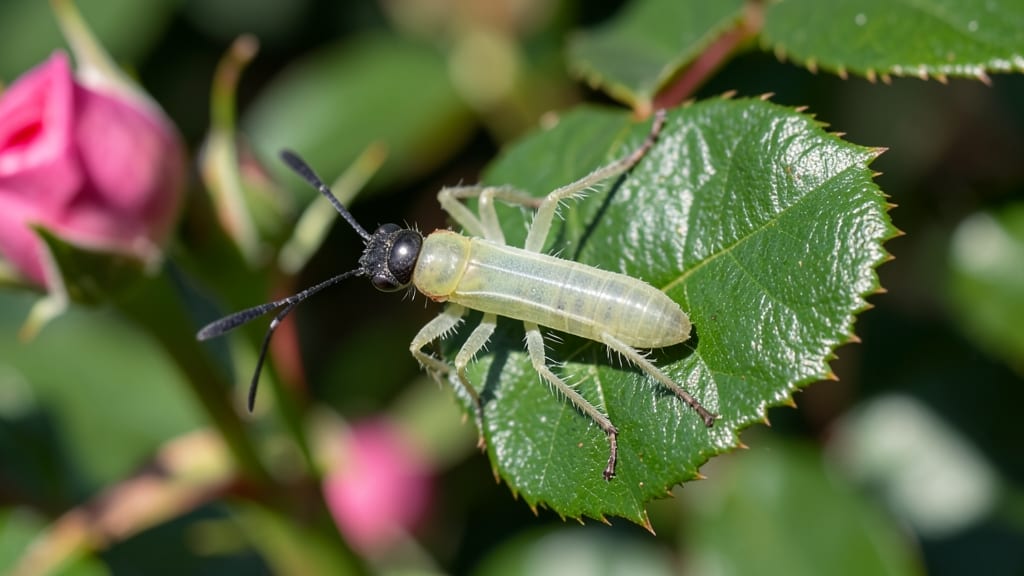
This rose bush insect killer—a simple organic spray—has saved my roses from total destruction with just a few spritzes. 🌹 The key is acting fast when you spot skeletonized leaves or sticky honeydew, before pests multiply into an unmanageable army.
Most store-bought sprays mask the problem; this method actually eradicates them within 24-48 hours while keeping your garden safe for pollinators.
You’ll need neem oil, insecticidal soap, and a spray bottle—that’s it. No fancy equipment, no harsh chemicals. The secret lies in the 1:1 ratio of neem oil to water, mixed with a teaspoon of dish soap (the kind without fragrances) to help the solution stick.
Spray in the early morning or evening when bees aren’t active, and reapply every 3-5 days until the pests vanish. It’s not just effective—it’s gentle enough for roses in bloom without harming your plants’ delicate petals.
What you’ll get is roses that stop looking like Swiss cheese and start thriving again. The leaves stay deep green and glossy, new buds form without being devoured, and you’ll actually enjoy walking past your bushes instead of cringing at the sight.
The best part? This spray works on aphids, spider mites, and even Japanese beetles—the usual suspects that turn rose gardens into pest buffets.
For heavy infestations, add a systemic treatment like imidacloprid (follow label instructions carefully) for long-term protection. But for most gardeners, this organic spray is all you’ll ever need to reclaim your roses—without the chemical warfare. Let’s get those bushes back to their full, fragrant glory.
📚 In This Guide
- What you need
- Instructions
- Tips and common mistakes
- Wrapping up and next steps
What you need
- ● 1 gallon of water (distilled or filtered for best results)
- ● 2 tablespoons of neem oil (100% cold-pressed, organic preferred)
- ● 1 tablespoon of dish soap (unscented, like Dawn or Castile soap)
- ○ 1 tablespoon of horticultural oil (optional but boosts effectiveness)
- ● 1 teaspoon of cayenne pepper or red pepper flakes (for extra bite!)
- ● 1 tablespoon of rubbing alcohol (70% isopropyl) (helps disperse oils)
- ● 1 spray bottle (16–32 oz) (or a pump sprayer for larger rose bushes)
- ● Gloves (nitrile or rubber to protect your hands)
- ● Mixing container (clean glass jar, bucket, or old spray bottle)
- ● Measuring spoons (for precise ingredient ratios)
- ● Stirring stick or spoon (wooden or plastic to avoid reactions)
- ○ Fine mesh strainer (optional) (if your cayenne or oils clump)
- ● Sunny day or overcast afternoon (apply when temps are mild, 60–80°F)
Step-by-Step instructions for creating an organic rose bush insect killer
Here's the proven organic spray method that clears aphids, mites, and beetles within hours—no harsh chemicals needed.
🌿 Step 1: Gather and Prepare Your Organic Ingredients
Combine 1 quart of water with 2 tablespoons of pure castile soap (like Dr. Bronner's) and 1 tablespoon of neem oil in a spray bottle. This trio works together: the soap breaks down pest protective layers, neem disrupts their life cycles, and water delivers everything evenly. I like to use a glass spray bottle because plastic can degrade over time with oil exposure.
Shake vigorously for 30 seconds—neem oil and soap don't mix naturally, so thorough blending ensures even coverage. Here's the thing—if you see separation after spraying, shake again immediately. The goal is a uniform, milky consistency that clings to leaves without dripping.
💧 Step 2: Test Spray on a Single Leaf First
Spray a small section of a leaf and wait 15 minutes to check for any adverse reactions. Roses vary in sensitivity, and some varieties might show slight browning at the edges. If you see no damage after this test, your spray is safe to apply fully. I always do this step—skipping it risks burning leaves when you're just trying to save them.
Pay attention to the leaf's surface tension after spraying. You'll see tiny droplets bead up slightly—that's perfect. If it sheets off immediately, your soap concentration is too low. In that case, add ½ teaspoon more soap and shake again before proceeding.
☀️ Step 3: Apply Spray During Early Morning or Late Afternoon
Spray the entire bush thoroughly, covering both sides of leaves and the undersides where pests often hide. Focus especially on new growth and flower buds—these are prime pest targets. I like to work in two passes: first on the upper foliage, then on the undersides. This ensures you don't miss any hiding spots.
Wait 2-3 hours before watering again. The spray needs time to work, and rinsing too soon washes it away. You'll notice pests start dropping off within 30 minutes to 2 hours—that's your sign it's working. For severe infestations, repeat the application every 3-4 days until pests are completely gone.
✂️ Step 4: Remove Dead Pests and Monitor for 7 Days
After spraying, use a soft brush or damp cloth to gently wipe off any dead insects from the leaves. This prevents secondary issues like mold from decomposing pests. I find that early morning is the best time for this cleanup—pests are sluggish then, making removal easier.
Check the bush daily for 7 days post-treatment. Look for new pest activity, especially on fresh growth. If you spot any survivors, repeat the spray application immediately. The key here is consistency—pests that survive treatment will reproduce quickly, so don't let them get a foothold again.
🌱 Step 5: Prevent Future Infestations With Regular Care
Keep your roses well-watered (about 1 inch per week) to reduce stress, which makes plants less attractive to pests. Prune regularly to improve airflow—crowded bushes stay damp longer, creating ideal conditions for pests. I prune every 4-6 weeks during growing season, removing any dead or diseased wood immediately.
Add a 2-inch layer of organic mulch around the base to deter crawling insects. The mulch also helps retain moisture and regulate soil temperature. Here's what I've found works best: a mix of shredded bark and compost applied in early spring just after the first pruning. This creates a barrier while improving soil health over time.
Tips & tricks for perfect organic rose bush insect killer
Here's what nobody tells you about making this spray work flawlessly every time.
Mixing Precision: The 30-second shake in Step 1 is non-negotiable—neem oil and castile soap need that exact time to emulsify properly. I learned this the hard way after seeing separation mid-spray. For even better results, add ½ teaspoon of vegetable glycerin (optional) to help the spray stick longer to leaves. This creates a slightly tacky film that traps pests more effectively.
Leaf Test Technique: In Step 2, the 15-minute wait isn't just about safety—it's about observing how your specific rose variety reacts. Some hybrids like 'Knock Out' roses handle the soap well, while delicate varieties might show stress. If you notice any leaf curl or discoloration, dilute your spray with an extra ¼ cup water next time. The goal is to kill pests without harming your plant.
Application Strategy: The two-pass method in Step 3 is crucial for thorough coverage. Start with the undersides of leaves where pests hide—this is where you'll see the most immediate results. For large bushes, work in sections: spray one side completely, then move to the next. This prevents the spray from drying before you finish. I've found that spraying in the early morning gives you the full 2-3 hours before afternoon sun can evaporate the solution too quickly.
Post-Treatment Care: After removing dead pests in Step 4, avoid using the same brush or cloth on healthy plants. Pests release pheromones when crushed that can attract more insects. Instead, dispose of the cleaning tools or wash them thoroughly with hot, soapy water. The 7-day monitoring period is your chance to catch any survivors before they reproduce—think of it as your final quality control check.
Pro Tips for Rose Bush Insect Killer
- Here's what nobody tells you about making this spray work flawlessly every time.
- Mixing Precision: The 30-second shake in Step 1 is non-negotiable—neem oil and castile soap need that exact time to e...
- Leaf Test Technique: In Step 2, the 15-minute wait isn't just about safety—it's about observing how your specific ros...
Frequently asked questions
Got questions about keeping your rose bushes pest-free? You're not alone! Here are answers to the most common concerns about using organic insect killers for your roses:
What’s the fastest way to see results with an organic rose bush insect killer?
Most organic sprays start working within 6–24 hours for visible pests like aphids or spider mites. For stubborn infestations, reapply every 3–5 days for 2–3 weeks. Choose a neem oil-based or pyrethrin spray for quick knockdown—just follow label instructions for best timing (early morning or evening).
When is the best time of year to treat my rose bushes for insects?
Start treatments in early spring (before buds open) to prevent aphids and scale. Repeat in late summer to protect against Japanese beetles and spider mites. Avoid spraying when roses are in full bloom to protect pollinators—opt for early morning applications when bees are less active.
Can I use organic insect killer on roses that are already in bloom?
Yes, but with caution! Avoid spraying directly on open blooms to protect pollinators. Instead, target leaves, stems, and buds. For blooming roses, use a soft spray nozzle or apply in the evening. If using pyrethrin-based sprays, wait until flowers close (late afternoon) to minimize harm to bees.
What’s the best organic alternative if store-bought sprays don’t work?
Try a homemade solution like:
- Soap spray: Mix 1 tbsp mild liquid soap (like Castile) + 1 quart water. Spray directly on pests.
- Garlic-chili spray: Blend 2 garlic cloves + 1 tbsp cayenne pepper + 1 quart water. Strain and spray on foliage (reapply weekly).
- Diatomaceous earth: Dust lightly on soil and under leaves (reapply after rain).
Why do pests keep coming back after I spray?
Pests often return due to:
- Incomplete coverage: Spray both sides of leaves and stems.
- Resistant strains: Rotate sprays (e.g., neem oil one week, insecticidal soap the next).
- New infestations: Check nearby plants—pests spread quickly!
- Environmental factors: Dry conditions worsen spider mites; water roses well to deter pests.
Wrapping up and next steps
Keeping your rose bushes thriving doesn’t have to mean battling pests with harsh chemicals—organic sprays are a game-changer! 🌿 With the right ingredients like neem oil, insecticidal soap, and garlic spray, you can naturally protect your plants in hours while supporting a healthier garden ecosystem.
Remember, consistency is key, so check your roses regularly and reapply as needed.
Ready to take action? Grab your supplies, whip up your spray, and give those pests the boot—your roses will thank you! 🌹 For extra peace of mind, explore seasonal pest prevention tips to keep your garden flourishing year-round.