
Planting
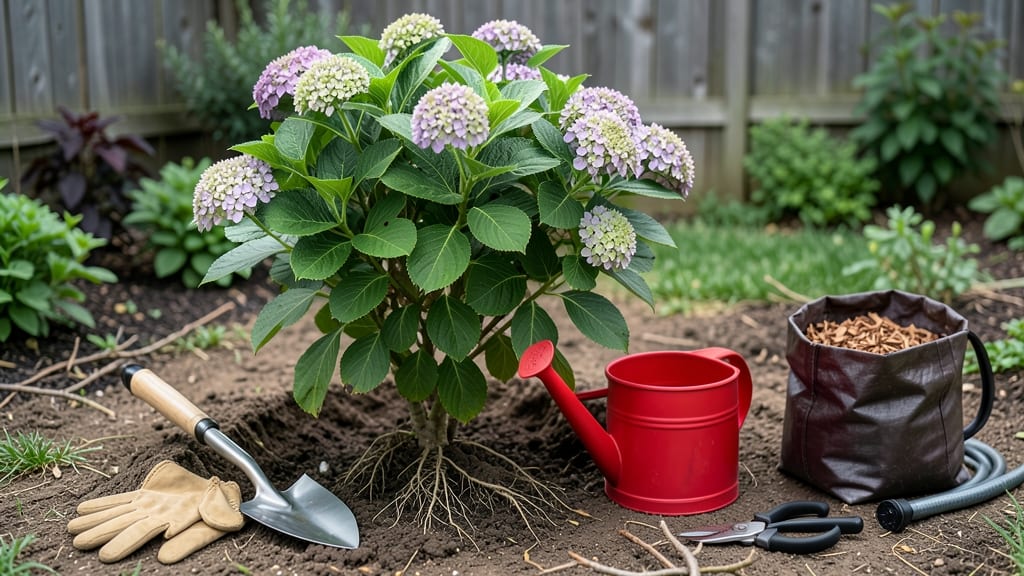
The best time to move bushes is late fall or early spring, when the weather is mild and roots can establish without stress.
Struggling to move your bushes without them wilting or struggling to recover? Timing is everything—and choosing the wrong season could mean lost plants and wasted effort.
In USDA Zone 6a, like many regions, late fall (after leaves drop but before frost) or early spring (after the last frost) gives bushes the quiet period they need to heal. Evergreens, though, need extra care—they’re active year-round, so summer or winter moves can shock them.
Below, I’ll break down the exact window for your bushes, how to prep them for the move, and what to watch for in the weeks after transplanting.
Late fall vs early spring: which is the best time to move bushes?
Deciding when to move your bushes can feel like a high-stakes guessing game. Timing directly impacts survival rates, root establishment, and long-term health. Most gardeners swear by late fall or early spring as the golden windows—but which one wins for your specific plants?
Let’s break down the science behind each season so you can make an informed choice.
The key difference lies in root dormancy and environmental stress. Deciduous bushes (like hydrangeas or azaleas) enter dormancy in fall, making them easier to transplant before winter sets in.
Evergreens, however, face different risks—freeze damage in winter or heat shock in early spring. Your climate zone also plays a critical role in determining which season offers the safest transition.
Here’s a detailed comparison to help you decide:
| Factor | Late Fall (4-6 Weeks Before First Frost) | Early Spring (After Last Frost) |
|---|---|---|
| Best For | Deciduous bushes, dormant roots, cooler climates | Evergreens, active growth, warmer climates |
| Root Activity | Dormant (reduced stress) | Emerging (new roots forming) |
| Weather Risks | Frost before transplanting, dry soil | Heat waves, late frosts, drought |
| Recovery Time | Slower (dormant state) | Faster (active growth) |
| Watering Needs | Moderate (soil retains moisture) | High (prevents transplant shock) |
| Ideal Climate Zones | Zones 3-7 (cooler winters) | Zones 8-10 (mild winters) |
| Post-Move Care | Mulch heavily, reduce watering in winter | Deep watering, shade cloth if hot |
If you’re in USDA Zones 3-7, late fall is often the safer bet for most deciduous bushes. The cooler temperatures and dormant roots mean less stress during transplanting.
For example, rose bushes or ornamental cherries thrive when moved in October or November, giving them time to establish before winter.
However, evergreens like boxwoods or rhododendrons often fare better in early spring. Their roots are already active, and the risk of freeze damage is lower. In Zones 8-10, where winters are mild, early spring (March-April) is ideal for nearly all bushes, as the soil warms up and rainfall increases.
One common mistake is assuming all bushes follow the same rules. For instance, bamboo or willow bushes have aggressive root systems and may need spring transplanting to prevent soil disturbance from spreading.
Always research your specific variety—some, like camellias, prefer fall, while others, like oleanders, handle spring moves better.
Another critical factor is soil temperature. In fall, aim for 50-60°F soil temps—too cold, and roots won’t knit; too warm, and they’ll wake up too early.
In spring, wait until the ground thaws to 55°F to avoid shocking the plant. Use a soil thermometer if you’re unsure—it’s a small investment for big results.
Let’s talk watering strategies, because this is where many gardeners go wrong. In late fall, reduce watering 2 weeks before moving to encourage root contraction (easier to dig).
After transplanting, water deeply but avoid soggy soil. In spring, water daily for 2 weeks post-transplant to help roots establish in the warmer soil.
Pro tip: If you’re moving a large, mature bush, late fall gives it a head start on root growth before winter dormancy. But if you’re dealing with a young, potted bush, early spring might be gentler, as its roots are still developing.
Always prioritize root ball integrity—the better the root system stays intact, the faster the recovery.
Finally, don’t overlook local microclimates. A sheltered spot might stay warmer in winter, allowing for a later fall move. Conversely, a frost pocket could make early spring riskier. Observe your garden’s patterns for at least a year to predict the safest windows.
Ready to pick your season? Start by identifying your bush type, checking your USDA zone, and monitoring
Critical factors to consider before moving bushes in any season
Moving bushes can transform your landscape, but success hinges on understanding species-specific needs and environmental conditions. Even the best transplanting season fails if you ignore these critical factors. For example, a hydrangea in USDA Zone 5 needs different care than a bougainvillea in Zone 10.
Let’s break down what truly matters before you dig up a single root.
First, consider the maturity of your bush. Young plants with small root systems recover faster than established shrubs. A 3-year-old boxwood handles transplanting better than a 10-year-old rose bush, which may struggle with shock.
Always prioritize smaller, flexible bushes for relocation projects to minimize stress. Root-bound plants in containers also transplant more easily than those with tangled roots.
Next, evaluate your soil conditions at both the original and new locations. Bushes like azaleas demand acidic soil (pH 4.5-5.5), while lavender thrives in alkaline soil (pH 6.5-7.5). Test your soil’s pH and amend it with compost or sulfur if needed.
Poor drainage can drown roots, so ensure the new spot has well-draining soil—especially critical for evergreens like juniper or pine.
🌿 Key Takeaways for Moving Bushes
- ✅ Best Seasons: Late fall or early spring (avoid summer heat or winter frost)
- ✅ Root Maturity: Younger bushes (3-5 years) transplant easier than mature shrubs
- ✅ Soil Prep: Match pH and drainage to the bush’s needs (e.g., hydrangeas need acidity)
- ✅ Climate Zones: Tropical bushes (e.g., gardenia) can’t handle frost—move in spring
- ✅ Watering Plan: Deep water 1-2 times weekly for 4-6 weeks post-transplant
Pro Tip: Prune 1/3 of foliage before moving to reduce stress and improve root establishment.
Your climate zone dictates the best window for moving. In cold climates (Zones 3-6), late fall (after leaves drop) or early spring (before buds swell) works best. Meanwhile, tropical bushes (Zones 9-11) should move during monsoon season or early spring to avoid heat stress.
For example, a camellia in Zone 8 can’t tolerate winter frost, so move it in March—never in December.
Don’t overlook species-specific needs. Some bushes, like rhizomatous varieties (e.g., spirea or butterfly bush), spread aggressively and need deep root pruning before moving. Others, like broadleaf evergreens (e.g., holly or boxwood), lose fewer leaves when transplanted in dormant seasons.
Always research your bush’s growth habits—a fast-growing willow recovers faster than a slow-growing juniper.
Finally, plan for post-move care. Even with perfect timing, bushes need consistent watering and mulching to thrive. Use 3-4 inches of mulch to retain moisture and regulate soil temperature.
Avoid fertilizing for 6-8 weeks post-transplant, as new roots are sensitive to nutrients. Monitor for pests or disease, especially if moving from a contaminated area.
By focusing on these critical factors, you’ll maximize your bushes’ chances of thriving in their new home—no matter the season. 🌱