
Pruning
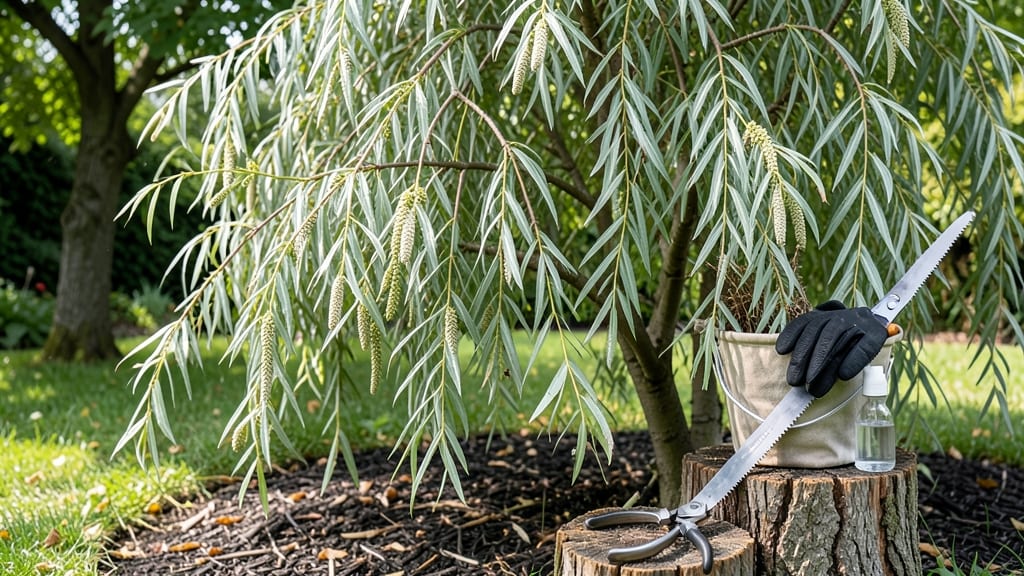
Pruning willow bushes transforms them from wild, unruly tangles into lush, sculpted statement pieces in your landscape. ✂️ I’ve spent years wrestling with these fast-growing shrubs, and the right cuts make all the difference—whether you want a rounded hedge, a dramatic silhouette, or just to keep them from taking over your yard.
The key is timing: late winter or early spring (just before new growth starts) is ideal, but willows are forgiving enough that you can shape them lightly throughout the year.
Grab your pruners, gloves, and a ladder (for taller varieties), and we’ll turn those gnarled branches into something you’ll actually admire. You’ll end up with healthier growth, fewer pests, and a bush that stays contained—no more branches breaking under snow or sprawling into your neighbor’s property.
The secret? Cutting back one-third of the oldest branches each year to encourage fresh, vibrant shoots. Works for weeping willows, pussy willows, and any other willow variety. Let’s get those branches under control!
📚 In This Guide
- What you need
- Instructions
- Tips and common mistakes
- Wrapping up and next steps
What you need
- ● Pruning shears: Bypass pruners (sharp, 6–8" blades) for small branches (1/4" thick). Quantity: 1 pair.
- ● Loppers: For medium branches (1/2–1.5" thick). Quantity: 1 pair (long-handled for reach).
- ● Pruning saw: Curved-tooth saw for thick branches (>1.5" thick). Quantity: 1.
- ● Gloves: Heavy-duty, cut-resistant gloves (e.g., leather or synthetic mesh). Quantity: 1 pair.
- ● Disinfectant: 70% isopropyl alcohol or bleach solution (1 part bleach to 9 parts water) to sterilize tools between cuts. Quantity: Small spray bottle or wipe.
- ● Rag or paper towels: For cleaning tools and wiping sap. Quantity: 2–3.
- ● Extension pole: Attach loppers/saws to a 3–6 ft pole for high branches.
- ● Safety glasses: Protect your eyes from debris.
- ● Branch bag or tarp: Collect pruned branches for easy cleanup.
- ● Sealing wax: For large cuts (>1" diameter) to prevent disease.
- ○ Pruning sealant: Optional for willows (they heal fast, but helps in wet climates).
- ● Check the season: Prune willows in late winter/early spring (before new growth) or summer (after flowering). Avoid heavy pruning in fall.
- ● Review your pruning goals: Are you shaping, rejuvenating, or removing deadwood?
- ● Wear sturdy shoes and long sleeves—willow branches can be thorny or sharp!
Step-by-Step instructions for pruning willow bushes
Willows respond beautifully to strategic pruning—here’s how to shape them year-round while keeping them vigorous.
✂️ Step 1: Prune for Structure in Late Winter
Timing is everything with willows—wait until late winter or early spring, just as buds begin to swell but before new growth starts. This 3-4 week window ensures you remove dead wood while avoiding sap flow that can stress the plant. Grab your pruners and start by removing any dead, diseased, or crossing branches first—they’re the weak links that drain energy.
Look for branches that grow inward or rub against each other; these will eventually create wounds where pests or diseases can enter. Cut these back to the main stem or a healthy lateral branch. Willow bark is tough, so use sharp pruners to make clean cuts at a 45-degree angle just outside the branch collar. No need to seal the cuts—willows heal quickly on their own.
🌿 Step 2: Shape and Thin in Early Summer
After the initial winter prune, wait until early summer (around June) to refine the shape. This is when willows put on their fastest growth, so you’ll see how the structure holds up. Start by thinning out 1/3 of the oldest stems at the base—this encourages new, vigorous growth and prevents the bush from becoming too dense.
For shaping, focus on opening up the center to improve airflow and sunlight penetration. Remove any branches that grow straight up or block light from reaching the inner stems. Step back often to visualize the overall form—willows grow fast, so a little strategic thinning now prevents a tangled mess later. Never remove more than 25% of the foliage in one session, or you’ll shock the plant.
⏰ Step 3: Light Maintenance in Fall and Winter
Fall and winter are for light touch-ups only. Remove any dead or damaged branches that appear after summer storms, but avoid heavy pruning—willows need their energy reserves to survive winter. If you notice weak, leggy growth in late winter, you can trim back up to 1/3 of the new shoots to encourage bushier growth next season.
This is also the time to clean up any suckers or water sprouts that pop up around the base. These aggressive shoots steal nutrients from the main plant, so snip them off at the ground level. Use a pair of bypass pruners for clean cuts—willows bleed sap, so avoid tearing the bark, which can invite disease.
☀️ Step 4: Monitor and Adjust for Health
Healthy willows show their gratitude with lush, vibrant foliage and minimal bare spots. If you notice yellowing leaves or stunted growth, it’s a sign of over-pruning or poor nutrition. Adjust your approach by reducing cuts in the following year and adding a layer of compost around the base to replenish soil nutrients.
Watch for signs of stress like excessive sap oozing or leaf curl—these can indicate you’re pruning too late in the season. Willow bushes are resilient, but even they have limits. If a branch is larger than 2 inches in diameter, use a pruning saw to avoid damaging the branch collar. Always sterilize your tools with rubbing alcohol between cuts to prevent spreading disease.
Tips & tricks for perfect willow bush pruning
Between us, willow bushes are forgiving but not indestructible—these tricks will keep yours thriving for years.
Timing is Everything: That late winter window (just as buds swell) is critical because willows bleed sap aggressively when pruned too early. I've seen gardeners cut too soon and watch their bushes ooze sap for weeks—it weakens the plant. Mark your calendar for the 3-4 week period when buds show color but haven't burst open yet. In colder climates, this might be February; in warmer zones, aim for March.
Branch Angle Matters: When cutting back branches in Step 1, that 45-degree angle isn't arbitrary—it helps water run off and prevents rot. I learned this the hard way after sealing cuts with pruning paste (which willows actually don't need). Just make clean cuts just outside the branch collar where the branch meets the trunk. The collar naturally protects against disease better than any sealant.
Summer Pruning Strategy: In Step 2, when you're thinning those oldest stems, focus on creating an open center that lets sunlight reach all parts of the bush. I've seen willows develop fungal issues in dense centers because of poor airflow. Step back every few cuts and visualize the bush from all angles—you're sculpting, not just hacking. The 25% foliage rule is your safety net against shock.
Tool Preparation: Sterilizing your tools between cuts prevents spreading disease, but here's what nobody tells you—willow sap will gum up your pruners fast. Keep a small brush and rubbing alcohol handy to clean tools after each session. I keep mine in a bucket of soapy water between cuts to prevent sap buildup. And for thick branches over 2 inches? A pruning saw with a fine-tooth blade makes all the difference.
Pro Tips for Prune Willow Bushes
- Between us, willow bushes are forgiving but not indestructible—these tricks will keep yours thriving for years.
- Timing is Everything: That late winter window (just as buds swell) is critical because willows bleed sap aggressively when pruned too early.
- Branch Angle Matters: When cutting back branches in Step 1, that 45-degree angle isn't arbitrary—it helps water run off and prevents rot.
Frequently asked questions
about pruning willow bushes—because even pros need a little extra guidance! Whether you're a first-timer or looking to refine your technique, these answers will help you keep your willows thriving.When is the best time to prune willow bushes?
The ideal window is late winter or early spring (just before new growth starts). For light shaping, you can prune lightly in summer, but avoid heavy cuts then—it stresses the plant. If you must prune in fall, do so early and avoid removing more than 25% of the foliage to prevent winter damage.
How often should I prune my willow bush?
Willows are fast growers, so annual pruning is key! Focus on light maintenance in spring (removing dead or crossing branches) and a structured prune every 2–3 years to control size and shape. Over-pruning weakens the plant, so balance is everything—think "trim, don’t hack."
What if my willow bush bleeds sap after pruning?
Don’t panic! Willow sap bleeding is normal and harmless. It’s the plant’s way of sealing wounds. To minimize mess, prune on a dry day and avoid cutting into wet wood. If the bleeding is excessive, it’s a sign of over-pruning—scale back next time and focus on smaller cuts.
Can I prune willow bushes in winter?
While willows are dormant in winter, pruning then is risky. Cold temps and dry conditions can stress the plant, making it vulnerable to disease. If you must prune in winter (e.g., for safety reasons), do it on a mild day and avoid heavy cuts. Spring is always the safer bet!
What if my willow bush looks leggy after pruning?
Leggy growth happens when you prune too high or remove too many branches at once. Next time, cut just above a bud (about ¼" above) and focus on balancing the bush—not stripping it. For a fuller look, prune selectively to encourage new side shoots. Patience is key—willows bounce back!
Are there alternatives to heavy pruning for willow bushes?
Yes! If you’re overwhelmed, try selective thinning—remove only the oldest or weakest stems to improve airflow. For natural shaping, let the bush grow wild and prune only for safety (e.g., branches near power lines). Some gardeners also use trellises or stakes to guide growth instead of aggressive cuts.
Wrapping up and next steps
Pruning your willow bushes doesn’t have to be intimidating—with the right timing, tools, and techniques, you can transform them into lush, vibrant plants that thrive year after year. 🌿 Whether you’re shaping them for privacy, artistry, or simply keeping them tidy, remember: consistency is key, and patience rewards you with stunning results.
Now that you’re armed with the know-how, grab those shears and give your willow bushes the care they deserve! For extra inspiration, check out creative pruning designs or join gardening forums to share your progress. Happy pruning—your green space will thank you! ✂️🌟