
Pruning
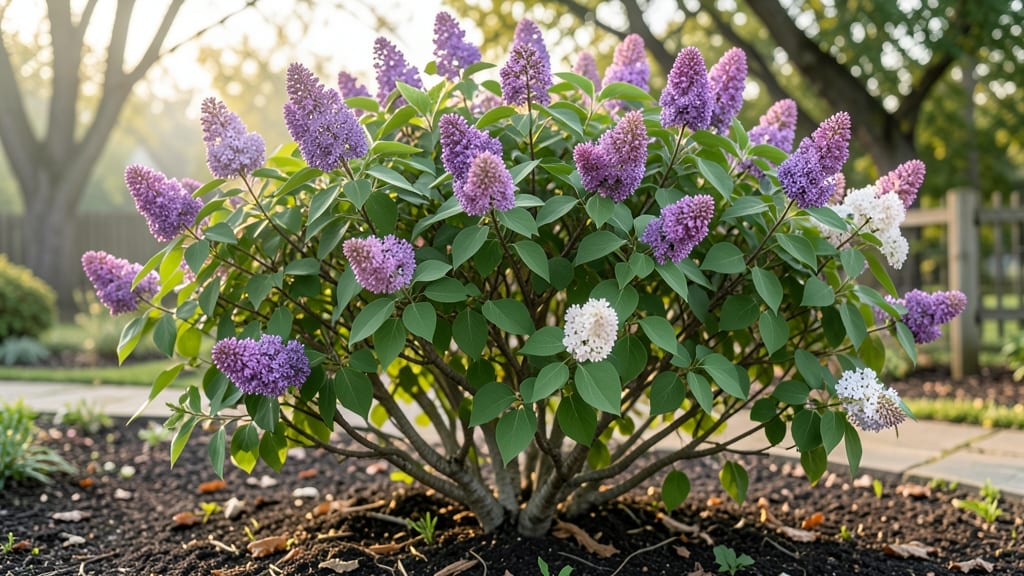
Your lilac bush sprouts could become next year's most fragrant showstopper—if you prune them right. ✂️ The secret lies in understanding how lilacs grow: those new shoots you see now are the future blooms, and how you treat them determines whether you get a bush full of flowers or a sad, leggy mess.
Start by giving your lilac the perfect spring home: well-draining soil, full sun, and space to stretch (they need 6-10 feet of room to thrive). Water deeply after planting, then let the roots establish before pruning.
The first cut shapes the bush, but it's the layers of careful trimming over years that build that signature fragrance.
By summer, you'll see those new shoots thicken and darken—proof you're on the right track. With proper care, your lilac will reward you with heavy blooms for years, and the scent will linger in your yard long after the flowers fade.
The key is patience: lilacs take 3-5 years to reach full fragrance potential.
This method works for both old bushes needing revival and new plants just getting started. Whether you're dealing with a 10-year-old lilac or a fresh transplant, the same principles apply. Let's get those sprouts growing strong!
📚 In This Guide
- What you need
- Instructions
- Tips and common mistakes
- Wrapping up and next steps
What you need
- ● Pruning shears – Bypass pruners (sharp, clean, and disease-free) for clean cuts on smaller stems.
- ● Loppers – For thicker branches (½"–1.5" diameter)—look for ratchet-style for ease.
- ● Pruning saw – Only if needed for stubborn, woody stems (2"+ diameter).
- ● Gloves – Heavy-duty, cut-resistant (lilac thorns are no joke!).
- ● Disinfectant – 70% isopropyl alcohol or bleach solution (1 part bleach : 9 parts water) to sterilize tools between cuts.
- ○ Garden twine or ties – For supporting layered branches (optional but helpful).
- ● Mulch – 2–3 inches of organic mulch (shredded bark, wood chips) to retain moisture and suppress weeds.
- ● Timing – Prune late winter or early spring (just before new growth starts) for best results.
- ● Weather check – Choose a dry, calm day (no rain for 24 hours post-pruning).
- ● Safety gear – Safety glasses (if branches are large) and long sleeves/pants.
- ● Know your bush – Identify dead, diseased, or crossing branches before starting.
- ● Pruning sealant – For large cuts (>1" diameter) to prevent disease (use sparingly!).
- ● Plant food – Balanced fertilizer (10-10-10) to give your lilac a post-pruning boost.
- ● Camera or sketchbook – To map out your pruning plan before making cuts.
- ● Compost bin – For small, healthy clippings (avoid diseased wood!).
How to encourage strong lilac bush sprouts for year-round blooms
Here's the simple pruning method I use to keep lilacs flowering abundantly for decades.
✂️ Step 1: Prune After Spring Blooms to Stimulate New Growth
Wait until after all flowers have faded—usually 4-6 weeks after blooming—before cutting. This timing lets the plant store energy for next year's flowers. I always prune on a dry morning when the air feels crisp; lilacs bleed less sap then.
Use clean, sharp pruners to make cuts just above a bud that faces outward. Never cut into old wood—you'll kill the branch. Aim to remove about 1/3 of the oldest stems each year. This keeps the bush open and airy, preventing disease.
🌱 Step 2: Layer New Shoots for Propagation (Optional)
If you want to create new plants, select flexible 1-year-old stems that aren't flowering. Bend them down to the ground and secure with a U-shaped wire stake. Keep the tip above soil level. This method works best in early summer when new growth is vigorous.
Water the layered stem regularly to encourage root formation. After 6-8 weeks, you'll see new leaves emerging from the buried section. Once roots develop (usually by fall), cut the new plant from the parent bush and transplant.
☀️ Step 3: Provide Proper Sun and Soil for Vigorous Growth
Lilacs thrive in full sun (6+ hours daily) with well-draining soil. If your bush isn't flowering well, check its location first. I've seen lilacs in shady spots produce only a few weak blooms. Amend heavy clay soil with compost to improve drainage.
Water deeply once a week during dry spells, but avoid soggy soil. Overwatering causes root rot, which kills lilacs slowly. You'll know moisture is right when the top 2 inches of soil feel damp but not wet. Mulch around the base with 2-3 inches of organic mulch to retain moisture.
⏰ Step 4: Annual Maintenance for Long-Term Health
Every spring, remove any dead, diseased, or crossing branches first. These compete with healthy growth and spread problems. Then shape the bush by cutting back any stems that grow too long. Lilacs naturally form multiple stems from the base, so never prune the center.
Fertilize lightly in early spring with balanced 10-10-10 fertilizer if your soil is poor. Too much nitrogen makes lilacs grow leaves instead of flowers. Watch for aphids or sawfly larvae—both love lilac leaves. Spray with insecticidal soap if you see sticky residue on new growth.
🌿 Step 5: Winter Protection for Young Sprouts
Newly planted lilacs or young sprouts need winter protection. After the first hard frost, wrap the bush with burlap or use a tree guard to shield from wind. I've seen young lilacs completely desiccated in winter winds, so this step is crucial for the first two winters.
Remove winter protection in early spring before new growth starts. Check for mouse damage—they love to chew on lilac bark. If you see gnawed stems, wrap the base with hardware cloth next winter. Healthy lilacs develop strong sprouts that can withstand cold once established.
Tips & tricks for year-round lilac blooms
These simple strategies will help you keep your lilac bush thriving and fragrant for seasons to come.
Timing is Everything: The 4-6 week window after blooming is critical for pruning. I've learned the hard way that cutting too early removes next year's flower buds! Mark your calendar right after the last lilac bloom fades—this is your cue to start watching for the perfect pruning moment. The crisp morning air helps reduce sap bleeding, so plan your pruning session accordingly.
Pruning Precision: When removing 1/3 of oldest stems in Step 1, focus on the thickest, woodiest branches first. These are the ones that have already produced flowers and won't contribute much to next year's blooms. Make your cuts just above an outward-facing bud—this encourages new growth that will fill out the bush nicely. I like to visualize the bush like an umbrella: we want the new growth to spread outward, not inward.
Layering Success: For the optional propagation step, choose stems that are about pencil-thick and flexible enough to bend without snapping. The 6-8 week timeline is flexible—just watch for new leaf growth at the buried section. I've found that adding a small handful of compost to the buried section speeds up root formation. Remember to keep the tip above soil level, or you'll smother the new growth.
Sunlight Secret: That 6+ hours of full sun requirement isn't negotiable. I've seen lilacs in partial shade produce beautiful flowers, but they're always smaller and less fragrant. If your yard doesn't get full sun, consider planting your lilac where it gets at least morning sun—this seems to satisfy them better than afternoon sun alone. The well-draining soil is equally important: I've had to dig up and replant lilacs that were struggling in heavy clay because their roots were suffocating.
Pro Tips for Lilac Bush Sprouts
- These simple strategies will help you keep your lilac bush thriving and fragrant for seasons to come.
- Timing is Everything: The 4-6 week window after blooming is critical for pruning.
- Pruning Precision: When removing 1/3 of oldest stems in Step 1, focus on the thickest, woodiest branches first.
Frequently asked questions
Got questions about nurturing your lilac bush sprouts? You’re not alone! Here are some of the most common queries—plus straightforward answers to keep your fragrant beauty thriving.
When is the best time to prune lilac bush sprouts for optimal growth?
Prune your lilac bush right after flowering (late spring or early summer). This timing ensures you remove spent blooms while preserving next year’s buds, which form on last year’s wood. Avoid heavy pruning in fall or winter—it can encourage weak growth or frost damage.
What should I do if my lilac sprouts aren’t growing after pruning?
Slow growth could stem from over-pruning, poor soil, or lack of sunlight. Check for well-draining soil (amend with compost if needed) and ensure your bush gets 6+ hours of sunlight daily. If sprouts are leggy or sparse, try a balanced fertilizer in early spring. Patience helps—lilacs grow slowly but steadily!
Can I propagate lilac bush sprouts from cuttings? If so, how?
Take 4-6 inch cuttings from healthy, non-flowering stems in early summer. Dip the cut end in rooting hormone, then plant in a mix of perlite and peat moss. Keep the soil moist and place in partial shade until roots form (4-6 weeks). Transplant outdoors once established!
Are there alternatives to lilacs for fragrant bushes with similar care?
If lilacs aren’t your vibe, try mock orange (Philadelphus), deutzia, or weigela. These bushes offer sweet fragrance, thrive in similar climates (zones 3-8), and require minimal pruning. Mock orange, for example, blooms later in summer and loves full sun—just like lilacs!
Why do my lilac sprouts look yellow or wilted after pruning?
Yellowing or wilting can signal overwatering, root stress, or fungal issues (like powdery mildew). Reduce watering slightly and ensure the base isn’t soggy. If mildew appears, spray with neem oil or a fungicide. Prune in dry weather to minimize stress, and avoid cutting into old, woody stems—focus on new growth!
Wrapping up and next steps
Watching your lilac bush sprouts thrive with year-round fragrance is incredibly rewarding! By mastering the art of pruning layers, you’ve unlocked the secret to a healthier, more vibrant plant—and a garden filled with sweet, intoxicating blooms. 🌸
Now that you’re armed with the right tools, techniques, and timing, it’s time to roll up your sleeves and get pruning. Start with one section of your lilac bush this season, observe how it responds, and build your confidence.
Before you know it, you’ll be the neighborhood expert on coaxing stunning growth from your lilacs—one careful cut at a time!