
Pruning
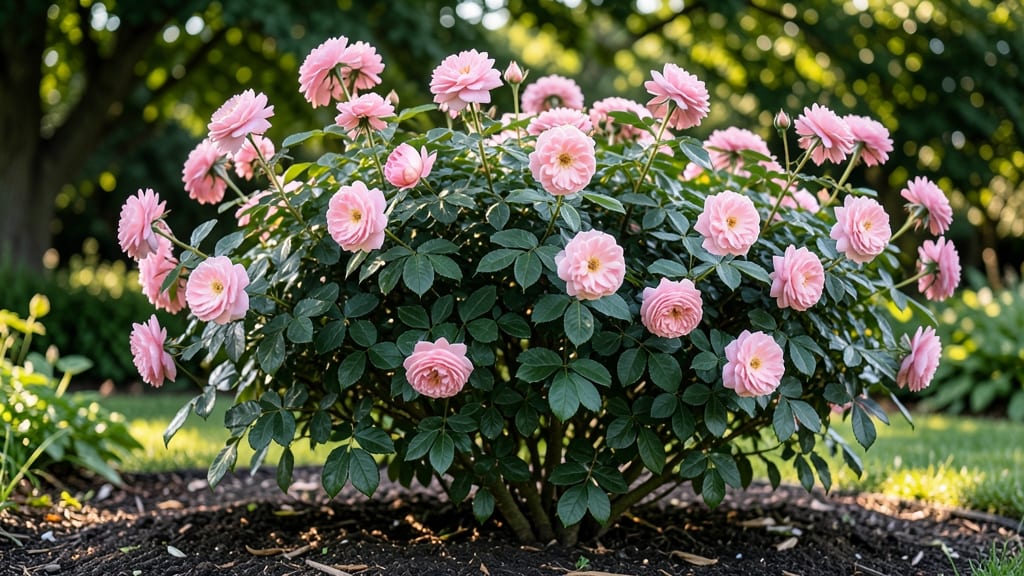
Growing a forever rose bush means never saying goodbye to blooms—these hardy beauties keep flowering all season long. 🌹 I planted mine last spring, and now it’s covered in roses from May through frost, with minimal effort.
The secret? Their "forever" name comes from their disease resistance and relentless blooming habit, but proper pruning keeps them at their best.
Start with full sun (6+ hours daily) and well-draining soil—amend heavy clay with compost to keep roots happy. Water deeply once a week (more in extreme heat), and fertilize every 6-8 weeks with a balanced rose food.
The key to their "forever" performance is pruning: cut back dead wood in late winter, then shape lightly after blooms fade to encourage new growth.
By mid-summer, your bush will be a fragrant, blossom-covered powerhouse with fewer thorns and more flowers than traditional roses. The best part? They thrive with half the fuss of fussy varieties. Even my black thumb keeps these alive—no dead branches, no wilting, just nonstop color.
Works in zones 4-9, handles drought better than most roses, and attracts pollinators all season. Once established, they’re basically maintenance-free—just prune, water occasionally, and enjoy. Here’s how to get started without the overwhelm.
📚 In This Guide
- What you need
- Instructions
- Tips and common mistakes
- Wrapping up and next steps
What you need
- ● Rose Bush: 1 disease-resistant variety (e.g., Knock Out®, Drift®, or Floribunda roses for continuous blooms). Choose a healthy, 1-2 year old plant from a nursery.
- ● Pruning Shears: 1 pair bypass pruners (sharp, clean, and disinfected with rubbing alcohol). Avoid anvil pruners—they crush stems!
- ● Gloves: 1 pair gardening gloves (nitrile-coated for grip and protection from thorns).
- ○ Pruning Sealant: 1 small bottle of pruning wax or tree paint (optional but helps prevent disease in cuts).
- ● Disinfectant: Rubbing alcohol (70%+) or bleach solution (1 part bleach to 9 parts water) to sterilize tools between cuts.
- ● Stake & Twine: 1 bamboo stake (4-6 ft tall) + jute twine (for support if your rose is leggy).
- ● Mulch: 2-3 bags of organic mulch (e.g., shredded bark or straw) to retain moisture and suppress weeds.
- ● Fertilizer: 1 balanced rose fertilizer (10-10-10 or 5-10-5 NPK ratio).
- ● 1 slow-release granular fertilizer (for seasonal feeding).
- ● Watering Can or Hose: 1 with a rose or shower attachment (deep watering is key!).
- ● Rose Food Spikes: 2-3 slow-release spikes for hassle-free feeding.
- ● Rose Collar: 1 metal or plastic collar to protect the base from soil splatter.
- ● Plant Ties: 3-4 soft fabric ties (gentler than twine for young stems).
- ● Pest Control: 1 bottle neem oil (natural fungicide/insecticide).
- ● 1 pack beneficial nematodes (for soil-dwelling pests).
- ● Seasonal Pruning Calendar: Print or digital copy to track when to prune (spring, summer, fall, and light winter maintenance).
Step-by-step guide to establishing a year-round rose bush
Here’s how I transform a single rose bush into a fragrant, low-maintenance centerpiece that blooms reliably through all seasons.
🌱 Step 1: Plant in Well-Draining Soil with Full Sun
Choose a site with at least 6 hours of direct sunlight daily—roses need this for strong growth and vibrant blooms. Dig a hole twice as wide as the root ball but only as deep as the container’s root system. This prevents burying the graft union (visible as a slight bulge near the base) too deeply, which can cause disease.
Amend the native soil with 2-3 inches of compost mixed into the bottom of the hole. This ensures nutrients are available immediately while the roots establish. Gently remove the rose from its container, loosen any circling roots with your fingers, and position it so the graft union sits 1-2 inches above soil level. Backfill with native soil, tamping lightly every 4 inches to eliminate air pockets.
💧 Step 2: Water Deeply and Mulch for Moisture Retention
Water the newly planted rose deeply—soak the soil until water drains from the bottom of the hole. This encourages roots to grow downward for stability. After watering, apply 2-3 inches of organic mulch (like shredded bark) around the base, keeping it 6 inches away from the stem. Mulch conserves moisture, regulates soil temperature, and prevents weeds from competing for nutrients.
Check soil moisture every 2-3 days by sticking your finger 1 inch deep. If it feels dry, water again. Overwatering is the fastest way to suffocate roots, so avoid soggy soil. A drip irrigation system set to deliver 1 gallon per week (more in extreme heat) keeps moisture consistent without stressing the plant.
✂️ Step 3: Prune for Structure and Seasonal Blooms
Prune twice yearly: late winter (just before new growth starts) and immediately after the first flush of blooms. In late winter, remove dead, diseased, or crossing branches first. Then cut back 1/3 of the oldest canes to the ground—this rejuvenates the bush and encourages new growth. For remaining canes, make angled cuts just above an outward-facing bud to promote airflow and future blooms.
After the first bloom cycle, prune again to shape the bush and remove spent flowers. Cut back new growth by half to encourage bushier, more abundant blooms later in the season. Always sterilize pruners with rubbing alcohol between cuts to prevent spreading disease. This two-step pruning schedule ensures continuous blooms from spring through fall, with minimal winter maintenance.
☀️ Step 4: Fertilize and Protect for Year-Round Health
Apply a balanced rose fertilizer (10-10-10) every 4-6 weeks during the growing season (April through September). Follow label instructions for dosage—over-fertilizing burns roots and attracts pests. In late fall, switch to a high-phosphorus fertilizer (5-10-10) to strengthen roots for winter. Water the bush thoroughly before and after fertilizing to help nutrients absorb evenly.
Protect the bush from winter winds by wrapping the canes loosely with burlap or a rose cone if temperatures drop below 20°F. This prevents desiccation without trapping moisture, which can rot the plant. In early spring, remove the protection as soon as buds swell—delaying too long can smother new growth. A light layer of mulch (renewed annually) insulates roots and keeps soil temperatures stable year-round.
🌿 Step 5: Monitor and Adjust for Continuous Blooms
Watch for yellowing leaves—this usually signals overwatering or nutrient deficiency. Adjust your watering schedule or apply a chelated iron supplement if needed. Deadhead faded blooms weekly to redirect the plant’s energy into new flowers. For pest control, spray with neem oil at the first sign of aphids or spider mites, focusing on the undersides of leaves where they hide.
By mid-summer, assess the bush’s shape. If it’s looking leggy, prune again to encourage a compact form. Roses respond well to pruning even in summer, but avoid heavy cuts—stick to light shaping and removing only the oldest canes. With consistent care, your rose bush will reward you with fragrant blooms from spring through frost, making it the ultimate low-maintenance garden star.
Tips & tricks for thriving year-round rose bushes
Here's what nobody tells you about keeping roses blooming beautifully through every season—lessons I learned after years of trial and error.
Sunlight Strategy: The 6 hours of direct sunlight daily requirement is non-negotiable, but location matters beyond just hours. I've found that morning sun (east-facing) paired with afternoon shade (west-facing) prevents leaf scorch in hot climates while still providing enough energy for blooms. If your garden only gets intense afternoon sun, consider planting near a reflective surface like a light-colored wall or patio to bounce extra light onto the bush. This subtle adjustment has kept my roses healthier through summer heatwaves.
Pruning Precision: When you're cutting back those 1/3 of oldest canes in Step 3, look for canes that are thinner than a pencil or showing signs of aging (bark that's cracked or peeling). These are the ones to remove completely. For the angled cuts above outward-facing buds, I've found it helpful to visualize creating a "V" shape with your cut—this ensures the bud has space to grow without rubbing against other canes. This technique has dramatically improved my bloom density and reduced disease pressure from poor airflow.
Winter Protection Hack: That 20°F threshold for winter protection is crucial, but I've discovered a way to extend protection without smothering the plant. After wrapping canes with burlap, I loosely place a clear plastic dome (like a large salad bowl) over the bush to create a microclimate. This traps heat from the ground while allowing light to penetrate. I remove it during the day when temperatures rise above freezing, then replace it at night. This method has let me push my roses through 10°F nights without damage—just don't forget to remove it completely when buds swell in spring!
Pro Tips for Forever Rose Bush
- Here's what nobody tells you about keeping roses blooming beautifully through every season—lessons I learned after years of trial and error.
- Sunlight Strategy: The 6 hours of direct sunlight daily requirement is non-negotiable, but location matters beyond just hours.
- Pruning Precision: When you're cutting back those 1/3 of oldest canes in Step 3, look for canes that are thinner than a pencil or showing signs of aging (bark that's cracked or peeling).
Frequently asked questions
Got questions about keeping your forever rose bush blooming and thriving? You’re not alone! Here are answers to the most common queries—from pruning puzzles to seasonal care—so you can enjoy that year-round fragrance without the guesswork.
When is the best time to prune a forever rose bush for continuous blooms?
Aim for two pruning sessions: late winter/early spring (just before new growth starts) to shape the bush and remove dead wood, then a light trim after each major bloom cycle (summer/fall) to encourage more flowers. Avoid heavy pruning in fall—it stresses the plant before winter.
Can I grow a forever rose bush in containers? What size pot do I need?
Forever roses thrive in containers with at least 15–20 gallons of soil (a 24" diameter pot works well). Use a well-draining potting mix and place it in full sun (6+ hours/day). Just remember: container-grown roses need more frequent watering and fertilizer than in-ground plants.
My forever rose bush isn’t blooming—what’s wrong?
Common culprits include over-pruning (cutting too aggressively), poor sunlight (they need 6+ hours of direct sun), or nutrient deficiencies. Check for yellowing leaves (nitrogen deficiency) or weak stems (phosphorus/potassium lack). Feed with a rose-specific fertilizer every 4–6 weeks during growing season.
Do forever roses need winter protection? How do I prepare them?
Yes! In USDA Zones 6–8, mulch the base with 4–6 inches of organic mulch (straw or shredded bark) and wrap the bush in burlap or frost cloth if temps dip below 10°F. In colder zones (5 or below)up to the graft union for extra insulation.
Are there any low-maintenance alternatives to forever roses?
If you want year-round color with less fuss, consider:
- Knock Out® Roses: Disease-resistant, bloom nonstop, and thrive with minimal pruning.
- Dwarf Gardenias: Fragrant, evergreen, and happy in containers.
- Abelia or Weigela: Hardy shrubs with seasonal blooms and minimal pruning needs.
Wrapping up and next steps
With the right care and seasonal pruning, your forever rose bush can bloom with year-round fragrance and beauty! 🌹 From understanding its needs to mastering the art of trimming, you’re now equipped to keep your rose bush thriving. Remember: patience and consistency are key—your efforts will pay off in lush, fragrant blooms.
Ready to take the next step? Start by scheduling your first pruning session this spring or fall, and observe how your rose bush responds. Over time, you’ll refine your technique and enjoy a garden that’s always in bloom! 🌿