
Shrubs
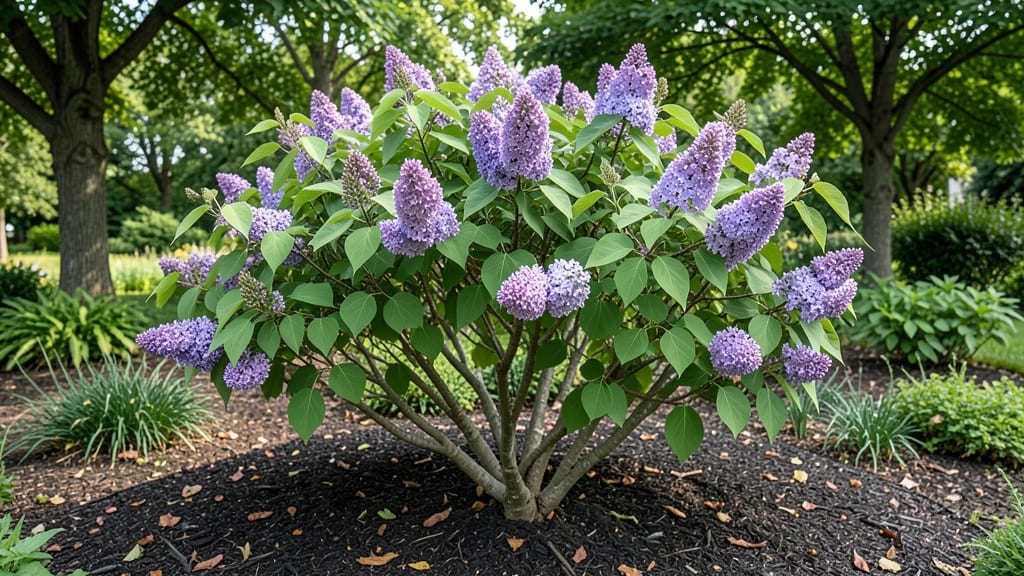
Lilac bushes need partial shade with 4–6 hours of sunlight daily for best blooms, though some varieties handle just 2–3 hours. Morning sun paired with afternoon shade prevents leaf damage while keeping fragrance and flowers vibrant.
Lilacs actually adapt well to different light conditions, but their bloom quality and growth vigor depend heavily on proper light exposure. 🌿 The key is finding that sweet spot—too little light means sparse flowers, while too much direct sun can scorch leaves.
I've seen 'Miss Kim' lilacs thrive in 3–4 hours of morning sun with afternoon shade, producing stunning blooms even in shadier spots. For optimal results, consider your local climate: cooler northern regions often need more sun, while hot southern areas benefit from afternoon shade.
What makes this tricky is that lilacs are deciduous shrubs, meaning their leaves change with the seasons. Young plants need more light to establish strong roots, while mature bushes can handle slightly more shade.
If you're working with a shady garden, look for dwarf varieties like 'Bloomerang'—they're bred to tolerate lower light while still delivering that classic lilac fragrance. The secret is patience: give your lilac time to adjust to its new light conditions, and you'll be rewarded with longer-lasting blooms and healthier foliage.
💡 In This Article
- How Sunlight Affects Lilac Bush Growth and Blooming
- Top Lilac Varieties for Shady Gardens
How sunlight affects lilac bush growth and blooming
Sunlight triggers the biochemical processes that determine how well your lilac thrives. These shrubs rely on photosynthesis, where chlorophyll in leaves converts light energy into glucose for growth.
Lilacs need moderate light intensity—too little, and they produce weak stems with sparse blooms; too much, and the leaves develop sunburn (brown patches) from excessive ultraviolet exposure. The ideal 4–6 hours of sunlight provides enough energy for robust flower buds while protecting delicate foliage.
The magic happens in the phloem, the plant's nutrient transport system. When lilacs receive morning sun, they absorb blue light wavelengths (400–500 nm), which boost chlorophyll production. Afternoon shade prevents photoinhibition, where excess light damages the photosynthetic machinery.
This is why lilacs in USDA Zones 3–7 often bloom better with filtered light—especially in hot climates where afternoon sun can exceed 85°F leaf temperatures, causing stress.
Flower development is particularly light-sensitive. Lilacs require 12–16 weeks of daylight exposure before blooming to trigger florigen production, a hormone that signals flower formation. Varieties like 'Katherine Havemeyer' need full sun for abundant blooms, while 'Miss Kim' adapts to 3–4 hours by growing smaller flowers but maintaining fragrance.
The trade-off? Less direct sun means fewer blooms but longer-lasting ones, as the plant conserves energy for resilience.
Leaf scorch occurs when sunlight intensity exceeds the plant's ability to dissipate heat. In full sun, lilac leaves can reach 100°F+ on hot days, causing edges to crisp and turn brown. This is why afternoon shade is critical—it reduces leaf temperatures by 15–20°F compared to exposed positions.
A simple test: if your lilac's leaves feel warm to the touch in mid-afternoon, it's getting too much direct sun.
Soil moisture plays a hidden role in light tolerance. In shady conditions, lilacs need consistently moist soil (1–2 inches deep) to compensate for reduced photosynthesis. Dry shade stresses the plant further, leading to yellowing leaves.
Mulching with 2–3 inches of organic matter helps retain moisture while moderating soil temperatures—ideal for shade-loving varieties like 'Dwarf Korean' that thrive in 2–3 hours of light.
Here's what to watch for: Pale green leaves signal insufficient light, while crispy edges mean too much sun. The sweet spot? Morning sun (6 AM–12 PM) + afternoon shade (1 PM–6 PM) balances energy production and protection.
For example, planting near a north-facing wall or under high-canopy trees (like oaks) provides dappled light that mimics ideal conditions.