
Shrubs
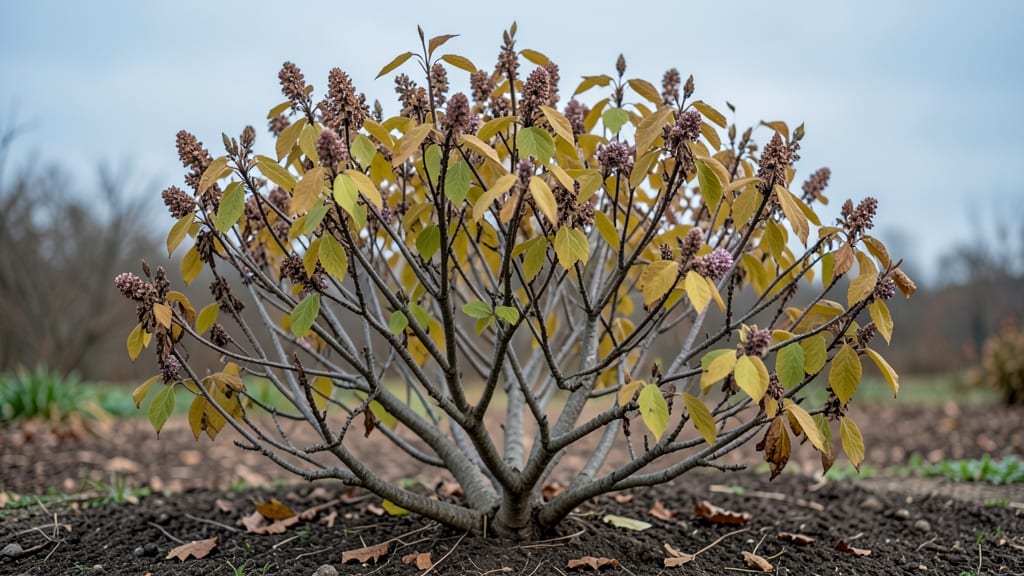
Fall is when lilac bushes reveal their true resilience—if you know the right moves. 🌿 The key isn’t just cutting back but timing it just before the first frost to protect next year’s blooms while keeping your garden smelling like spring for weeks longer.
I’ve learned the hard way that aggressive pruning too early can stunt next season’s flowers, but the right approach turns your lilac into a fragrant autumn star.
The secret lies in three simple steps: cleaning up fallen leaves (they harbor pests), shaping the bush to encourage dense growth, and applying a light mulch to insulate roots.
Most gardeners skip the mulching part, but it’s what keeps my lilacs thriving through winter—and ready to burst with purple clouds by May. You’ll notice new growth starting in early spring, proof that your fall work paid off.
By winter’s end, you’ll have a bush that smells like a memory lane of spring, even when snow blankets the ground. The blooms may be dormant, but the roots are busy storing energy for next year’s show.
This isn’t just about pruning—it’s about setting your lilac up for a showstopping comeback that makes neighbors jealous.
Works for any lilac variety, from classic French hybrids to hardy common lilacs. The same principles apply whether you’re in a cold climate or a mild one—just adjust the timing slightly. Here’s how to make it happen without the guesswork.
📚 In This Guide
- What you need
- Instructions
- Tips and common mistakes
- Wrapping up and next steps
What you need
- ● Pruning shears – Sharp, clean shears (bypass style recommended) to trim dead or overgrown branches.
- ● Gloves – Heavy-duty gardening gloves to protect your hands from thorns and debris.
- ● Fertilizer – A balanced, slow-release fertilizer (10-10-10 or similar) or organic options like compost or aged manure.
- ● Mulch – 2–3 inches of organic mulch (shredded bark, straw, or wood chips) to insulate roots.
- ● Watering can or hose – For deep, thorough watering (aim for 1–1.5 inches per week, adjusting for rain).
- ○ Fungicide (optional but helpful) – Copper-based or neem oil spray to prevent fall diseases like powdery mildew.
- ● A well-draining location – Lilacs hate soggy roots, so ensure your bush isn’t planted in a low-lying or waterlogged area.
- ● Sunlight access – At least 6 hours of direct sun daily (though they tolerate partial shade).
- ● Time of day for pruning – Best done on a dry, overcast morning to reduce stress on the plant.
- ● Weather check – Avoid pruning if frost or rain is forecasted within 24–48 hours.
- ● Plant food spray – For an extra boost of nutrients during fall growth.
- ● Pruning saw – For thicker branches that shears can’t handle.
- ● Disinfectant (rubbing alcohol or bleach solution) – To clean tools between cuts and prevent disease spread.
- ● Fall blooms fertilizer – A phosphorus-rich formula (like 5-10-10) to encourage next year’s buds.
Step-by-Step guide to late-season lilac care for next year's blooms
Fall is where you set the stage for next spring's fragrance—here's how to keep your lilacs thriving.
🌿 Step 1: Prune for Shape and Next Year's Flowers
Wait until after the first hard frost to prune—this prevents stressing the plant before dormancy. I use clean, sharp pruners to remove any dead, diseased, or crossing branches first. These are your "bad actors" that steal energy from healthy growth. Cut back to the nearest outward-facing bud or branch junction, making angles just above the bud to encourage new growth in the right direction.
For shaping, I focus on opening up the center of the bush. Lilacs bloom on old wood, so never cut back more than one-third of the plant in a single season. You'll see where the bush naturally thins out—those are your target branches. After pruning, rake up all the clippings to prevent fungal diseases from overwintering in the debris.
💧 Step 2: Water Deeply Before the Ground Freezes
Give your lilacs a deep watering in late fall, about 4-6 weeks before your first hard frost. This helps establish roots before dormancy and prevents winter desiccation. Water until the soil is moist 12 inches deep—you'll know it's enough when water runs out the drainage holes if your bush is in a container, or when the topsoil feels evenly damp.
I like to water in the late afternoon so the foliage has time to dry before evening. This prevents fungal issues like powdery mildew, which can still develop in mild fall weather. If your bush is in a pot, move it to a sheltered spot against a wall or under an eave to protect it from drying winter winds.
☀️ Step 3: Mulch to Protect Roots and Retain Moisture
Spread a 2-3 inch layer of mulch around the base of your lilac, keeping it 3-4 inches away from the trunk to prevent rot. I use shredded bark or wood chips because they break down slowly and improve soil structure over time. This mulch layer acts like a blanket, protecting roots from extreme temperature swings and retaining moisture during winter's dry spells.
Don't pile mulch against the trunk—this creates a moist environment that encourages rot. Instead, create a slight depression around the trunk to allow water to drain away. In containers, mulch helps regulate soil temperature, which is especially important for potted lilacs that can heat up or cool down too quickly compared to in-ground plants.
✂️ Step 4: Fertilize Lightly for Spring Prep
Apply a balanced, slow-release fertilizer (10-10-10 ratio) in late fall, following package instructions for application rates. This gives roots a gentle nutrient boost as they prepare for dormancy. I avoid high-nitrogen fertilizers in fall—they encourage tender new growth that won't survive winter. Instead, focus on phosphorus and potassium to strengthen root systems and overall plant health.
Water the fertilizer in well to help it penetrate the soil. You won't see immediate results, but this timing ensures your lilac has the nutrients it needs to break dormancy strong in spring. If your soil is particularly poor, you might consider a soil test first—sometimes less is more when it comes to fall feeding.
🪴 Step 5: Inspect for Pests and Diseases Before Dormancy
Do a final walk-around of your lilac to check for signs of pests like scale insects or borers. I look for sticky residue on leaves (a sign of aphids or scale) or small holes in stems (borer activity). Treat any issues you find with an appropriate organic pesticide or horticultural oil before the plant goes fully dormant. Once winter arrives, treatment options become much more limited.
Remove any remaining flower spikes or seed pods that might harbor pests or diseases. These can become overwintering sites for problems that will resurface next spring. If you notice any suspicious spots on leaves, prune them out and dispose of them in the trash—not the compost—where they could spread.
Tips & tricks for perfect late-season lilac care
These simple strategies will help you prepare your lilacs for next year's spectacular blooms without the guesswork.
Pruning Precision: When shaping your lilac in Step 1, look for branches that cross or grow inward—they're the ones stealing sunlight from healthier growth. I always cut just above an outward-facing bud at a 45-degree angle to encourage new shoots in the right direction. This creates a more open center that lets air circulate, preventing fungal issues that can develop in dense foliage. Remember, you're only removing up to one-third of the plant, so be selective with your cuts.
Timing is Everything: The 4-6 week window before your first hard frost for that deep watering in Step 2 is crucial. I check my local frost date forecast and mark my calendar. If you're unsure when your first frost will be, err on the side of earlier rather than later—roots need that moisture before the ground freezes solid. For container lilacs, I add a moisture meter to ensure that 12-inch depth is properly hydrated, as pots dry out much faster than in-ground plants.
Mulch Like a Pro: That 2-3 inch layer of mulch in Step 3 isn't just decoration—it's insulation. I like to use shredded bark because it breaks down slowly and improves soil structure over time. The key is keeping it 3-4 inches away from the trunk to prevent rot. For potted lilacs, I spread mulch right up to the container's edge since there's no trunk to worry about, but I still avoid piling it against the sides where moisture can get trapped.
Fertilizer Strategy: While applying that 10-10-10 fertilizer in Step 4, I always water it in thoroughly to help it reach those deep roots. The slow-release formula means you won't see immediate results, but this timing gives your lilac the nutrients it needs to break dormancy strong in spring. If your soil is particularly poor, consider a soil test first—sometimes less fertilizer is better than overdoing it, especially with the phosphorus and potassium focus we want for root health.
Pro Tips for Lilac Bush In Fall
- These simple strategies will help you prepare your lilacs for next year's spectacular blooms without the guesswork.
- Pruning Precision: When shaping your lilac in Step 1, look for branches that cross or grow inward—they're the ones stealing sunlight from healthier growth.
- Timing is Everything: The 4-6 week window before your first hard frost for that deep watering in Step 2 is crucial.
Frequently asked questions
Got questions about keeping your lilac bush vibrant and fragrant through fall? You’re not alone! Here are answers to the most common concerns—plus a few pro tips to keep your shrub thriving as the seasons change.
Do lilac bushes lose their leaves in fall?
Yes! Lilacs are deciduous, meaning they’ll shed their leaves in autumn—just like maples or oaks. Don’t panic: This is normal! The bush enters dormancy to conserve energy for spring blooms. Prune dead leaves in early winter to reduce pests and improve airflow.
When should I prune lilacs in fall?
Light pruning (removing dead or overgrown branches) can happen in late fall (after leaf drop but before hard frost), but avoid heavy pruning. Save major cuts for late winter or early spring (before buds swell) to prevent stunted growth. Fall pruning risks exposing stems to frost damage.
How do I protect my lilac bush from fall frost?
Lilacs are hardy (USDA Zones 3–7), but young plants or late blooms may need help. Mulch the base with 2–3 inches of organic mulch (like shredded bark) to insulate roots. Cover tender branches with frost cloth if temperatures dip below 20°F. Water deeply before the first freeze to hydrate roots.
Can I still plant lilacs in fall?
Fall is a great time to plant lilacs—cooler temps and moist soil help roots establish before winter. Choose bare-root or container-grown plants and plant before the ground freezes. Water regularly (but avoid soggy soil) and mulch heavily to protect new roots.
Why are my lilac leaves turning yellow or spotted in fall?
Yellow leaves could signal nutrient deficiency (add compost or a balanced fertilizer) or pests (like aphids or spider mites). Spotty leaves might mean fungal disease (like powdery mildew). Prune affected branches, improve airflow, and apply neem oil if needed. Test soil pH (ideal: 6.0–7.0).
Pro Tip: Extend your lilac’s fragrance!
Cut half-bloomed spring flowers in late summer/early fall, dry them, and store in airtight jars. The dried blooms retain scent and make stunning potpourri! Bonus: The bush focuses energy on root growth, setting it up for a bigger, healthier bloom next spring.
Wrapping up and next steps
Your lilac bush doesn’t have to fade into fall—with the right care, it can reward you with fragrance and beauty well into the season. From pruning techniques to winter prep, these steps ensure your shrub stays vibrant and healthy.
Now’s the perfect time to roll up your sleeves and give your lilac the love it deserves!
🌿 Next steps:
- Schedule a quick pruning session before winter sets in.
- Mulch and protect your bush for a head start in spring.
- Keep an eye out for pests—early action prevents bigger problems.