
Flowers
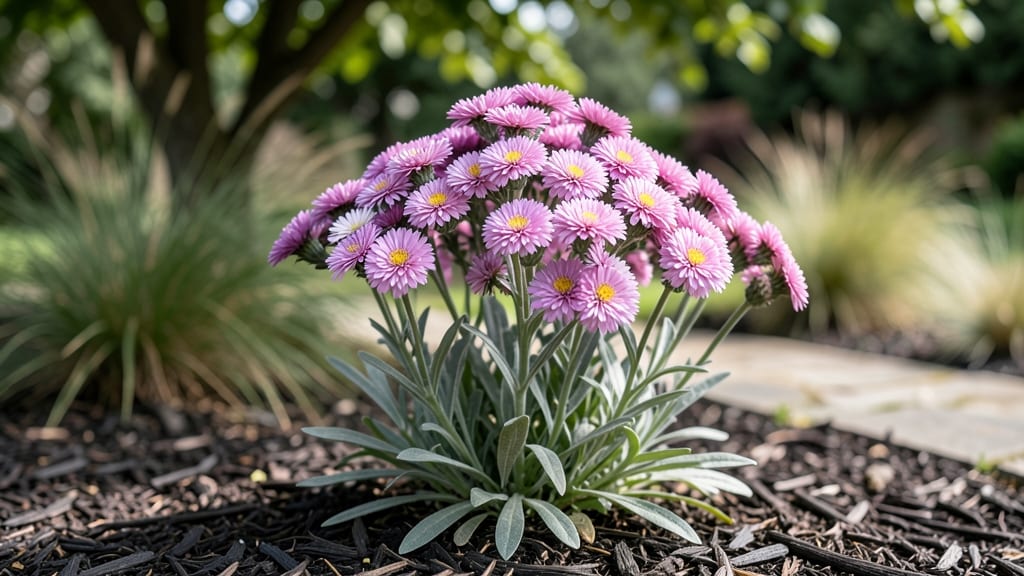
A bush featuring pink flowers with bright yellow centers is most commonly a Butterfly Bush (Buddleia), Pink Abelia, or Weigela, though Dwarf Bush Honeysuckle and Pink Spirea also produce this striking color combination. These shrubs thrive in full sun to partial shade and serve as pollinator magnets, especially for butterflies and bees.
These vibrant shrubs aren't just beautiful—they're nature's pollinator superstars. 🌸 The tubular-shaped flowers of Butterfly Bushes, for example, are specifically designed to attract hummingbirds and butterflies, while their late-summer blooming period extends your garden's color show when many other plants have faded.
I've noticed that Pink Abelia stands out for its glossy leaves and continuous blooming habit, making it a favorite for low-maintenance gardens. What's fascinating is how these plants often rebloom if you deadhead spent flowers, giving you that pink-and-yellow pop well into fall.
If you're trying to identify yours, start by examining the leaves: Butterfly Bushes have lance-shaped foliage, while Weigela's are broader and slightly fuzzy. 🌿 Dwarf Bush Honeysuckle typically grows in dense mounds, while Pink Spirea has a more open, airy habit.
Most of these varieties are hardy in zones 5-9, meaning they'll thrive in a wide range of climates with minimal fuss—just make sure they get well-draining soil and regular watering during their first growing season.
💡 In This Article
- Why Butterfly Bushes Dominate Pink-and-Yellow Flower Displays
- How to Identify and Care for Pink-Flowered Shrubs with Yellow Centers
Why Butterfly Bushes dominate pink-and-yellow flower displays
Butterfly Bushes (Buddleia) produce those signature pink blooms with yellow centers because of their unique flower structure. Their tubular-shaped flowers are specifically adapted to attract nectar-feeding pollinators like butterflies and hummingbirds.
The yellow center acts as a visual beacon, drawing insects toward the pink petals where the nectar lies hidden. This color combination isn't just pretty—it's a sophisticated evolutionary adaptation that ensures pollination success.
The secret to their prolific blooming lies in their growth habit. Butterfly Bushes are fast-growing shrubs that can reach heights of 6-10 feet with some cultivars like 'Pink Delight' staying more compact at 4-6 feet.
Their woody stems produce abundant flower spikes that continue blooming for 6-8 weeks during late summer and early fall, long after many other garden plants have finished flowering. The key to this extended display is their ability to produce new flower buds continuously throughout the season.
What makes Butterfly Bushes particularly dominant in gardens is their hardiness and adaptability. Most varieties thrive in USDA zones 5-9, making them suitable for a wide range of climates.
The 'Lo & Behold' series, for example, was specifically bred to be more compact and less invasive than traditional Butterfly Bushes, growing only 3-4 feet tall while still producing abundant flowers. This makes them ideal for smaller gardens where space is limited but color impact is desired.
Botanically, the yellow center of Butterfly Bush flowers contains the reproductive organs (stamens and pistils) that attract pollinators. The pink petals create a striking contrast that makes the flowers highly visible from a distance.
This color pattern is particularly effective at catching the eye of butterflies, which are drawn to both the color and the scent. The flowers also have a slightly sweet fragrance that becomes more pronounced on warm, sunny days when pollinators are most active.
One fascinating aspect of Butterfly Bush biology is their seed production. After pollination, the flowers develop into seed pods that can produce thousands of tiny seeds. While this makes them excellent for wildlife, it also explains why they can sometimes become invasive in certain climates.
The trade-off between their beauty and potential invasiveness is why many gardeners opt for sterile cultivars like 'Pink Microbud' that produce fewer seeds while maintaining their stunning appearance.
For gardeners looking to maximize their pollinator appeal, Butterfly Bushes are unbeatable. Their flowers contain high concentrations of nectar, providing essential fuel for migrating butterflies and bees. I've observed that a single Butterfly Bush can attract dozens of pollinators in just a few hours on a warm afternoon.
This makes them not just beautiful garden plants, but essential components of any pollinator-friendly landscape.