
Pests and Diseases
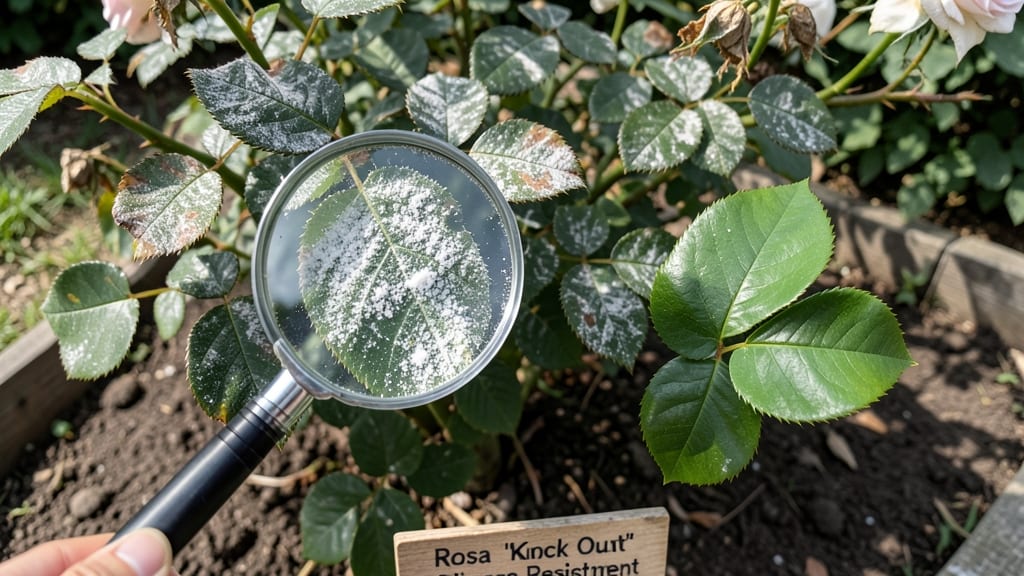
That white on the rose bush leaves isn’t just unsightly—it’s powdery mildew, and it spreads faster than you’d think. 🌿 I’ve battled this stubborn fungus for years, and I know how frustrating it is to watch your roses turn into a whitewashed mess.
The good news? Copper spray isn’t just a cure—it’s a game-changer for keeping your roses lush and disease-free.
Most gardeners miss the early signs: tiny white specks on the undersides of leaves, then a fuzzy coating that blocks sunlight. Left untreated, it weakens your roses, stunts growth, and even drops buds.
But here’s the thing—copper spray works because it stops the fungus in its tracks, not just masks the symptoms. You’ll see results within 7-10 days of consistent treatment.
The best part? This isn’t some fancy, expensive treatment. A simple mix of copper fungicide and water—applied at dawn or dusk—keeps your roses thriving without harsh chemicals.
Plus, it’s a preventative powerhouse for next season’s blooms. No more white-outs, just vibrant, healthy foliage that turns heads at the neighborhood garden tour.
If your roses are already covered in a thick, cottony layer or the leaves are yellowing and dropping, it’s time to act fast. But don’t worry—this method works even on severely affected plants. Let’s get those roses back to their showstopping best.
Fungal Infections Behind White Spots
When you spot that unsettling white film creeping across your rose bush leaves, the most likely culprit is a fungal infection. 🍄 These microscopic invaders thrive in damp, humid conditions and can quickly turn your lush green foliage into a patchwork of discolored, weakened leaves.
Let’s break down the key fungal causes—and why they target your roses in the first place.
Powdery mildew is the most common fungal disease affecting roses, recognizable by its powdery white coating on leaves, stems, and even buds. This fungus (Erysiphe or Sphaerotheca species) spreads via wind or splashing water, but it needs two things to take hold:
- High humidity (75%+): The fungus germinates best in stagnant, moist air, often flourishing in shaded or overcrowded gardens.
- Poor air circulation: Dense foliage traps humidity, creating the perfect breeding ground. 🌬️
Once established, powdery mildew weakens the rose’s ability to photosynthesize, leading to stunted growth, distorted leaves, and—if untreated—premature leaf drop. Pro tip: Morning watering (so leaves dry by evening) and spacing plants 18–24 inches apart can drastically reduce outbreaks. 🌡️
Unlike its powdery cousin, downy mildew (Peronospora species) hides its true nature. While the upper leaf surface may show yellow or white patches, the real damage happens on the underside, where a fuzzy, purplish-gray mold thrives.
This fungus spreads through water droplets (like rain or overhead irrigation) and thrives in:
- Cool, wet conditions (50–75°F): Ideal for spore germination, often striking in spring or fall.
- Overhead watering: Splashes from sprinklers or rain carry spores directly to leaves.
Downy mildew can kill leaves within days, leaving your rose vulnerable to secondary infections. Actionable fix: Water at the base (never overhead) and remove infected leaves immediately to prevent spore spread. ✂️
Though rust fungi (Phragmidium species) often produce orange pustules, some strains leave a white, powdery residue on leaves. These fungi overwinter in fallen debris and puff up spores when conditions are damp and warm (60–80°F). Key triggers:
- Dense foliage: Traps moisture and spores, accelerating infection.
- Old leaf litter: Provides a reservoir for spores to survive year-round.
Rust weakens roses by blocking sunlight and creating entry points for other pathogens. Prevent it: Clean up fallen leaves in autumn and prune for airflow. 🌿
Note: While white spots can also signal pest damage (like spider mites) or nutrient deficiencies, fungal infections are the top suspects—especially if the white substance is powdery, fuzzy, or spreads rapidly.
Quick Fixes for Fungal Leaf Spots
Seeing white or grayish patches on your rose bush leaves? 🌿😬 Don’t panic—fungal infections like powdery mildew or rust are common but treatable. The key is acting fast with the right mix of organic and chemical solutions.
Below, we break down the most effective fixes based on the likely cause, plus tips to keep your roses thriving.
1. Powdery Mildew: The Fluffy White Coating
If the white looks like dust or cobwebs, it’s likely powdery mildew. This fungal disease thrives in warm, humid conditions and can weaken your roses if left unchecked.
🍳 Step-by-Step Fix:
- 🔪 Prune Infected Leaves: Use clean, sharp shears to remove heavily infected leaves and dispose of them in the trash (not compost). Pro tip: Prune in the morning when humidity is lower to reduce spore spread. ✨
- 💦 Spray with Copper Fungicide: Mix a copper-based spray (like copper sulfate or copper fungicide) according to package instructions. Apply in the early morning or late evening to avoid burning leaves. Reapply every 7–10 days until the issue clears.
- 🌡️ Boost Air Circulation: Thin out dense foliage and space bushes 3–4 feet apart to improve airflow. Use a fan on low speed near the plants if indoors.
- 🌱 Organic Alternatives: For a natural approach, mix 1 tsp baking soda + 1 tbsp vegetable oil + 1 quart water + a drop of dish soap. Spray thoroughly on both leaf surfaces.
💡 Prevention Tips:
- Water at the base (avoid wetting leaves) and water early in the day so foliage dries quickly.
- Space plants properly to prevent overcrowding.
- Apply neem oil as a preventive spray every 2–3 weeks during humid seasons.
2. Rust Fungus: Orange Spots with White Pustules
If you spot yellow-orange spots on the undersides of leaves with white, powdery pustules, your roses have rust fungus. This disease weakens the plant over time and can spread rapidly.
👨🍳 Step-by-Step Fix:
- 🔪 Remove Affected Leaves: Cut off and destroy all infected leaves immediately to stop spore spread.
- 🍄 Use Fungicidal Sprays: Rotate between copper fungicide and sulfur-based sprays (like wettable sulfur). Follow label instructions for concentration and reapplication intervals.
- ⏰ Clean Up Debris: Remove fallen leaves and mulch around the base of the plant to eliminate fungal spores.
- 🌿 Strengthen the Plant: Feed roses with a balanced fertilizer (10-10-10) to boost their natural defenses.
💡 Prevention Tips:
- Avoid overhead watering—use drip irrigation or soaker hoses.
- Plant resistant rose varieties like ‘Knock Out’ or ‘Dr. Huey’ if rust is recurrent.
- Mulch with straw or pine needles to improve soil health and reduce humidity near the plant.
3. Downy Mildew: White Fuzz on Leaf Undersides
If the white appears fuzzy or mold-like on the undersides of leaves, it’s likely downy mildew. This aggressive fungus thrives in cool, wet conditions and can defoliate roses quickly.
🍳 Step-by-Step Fix:
- 🔪 Prune and Destroy Infected Leaves: Remove all affected leaves and sterilize your pruners with rubbing alcohol.
- 💦 Apply Systemic Fungicide: Use a phosphite-based fungicide (like Subdue or Amistar) for severe cases. These penetrate the plant’s system for faster results.
- 🌡️ Improve Drainage: Ensure pots or garden beds have well-draining soil to prevent waterlogging.
- 🌿 Increase Sunlight: Move roses to a sunnier location (at least 6–8 hours of direct sun) to dry leaves faster.
💡 Prevention Tips:
- Space plants widely to enhance airflow.
- Avoid late-season fertilization, which encourages new growth susceptible to mildew.
- Use reflective mulch (like aluminum foil) under bushes to reduce humidity.
4. General Fungal Blight: White or Gray Spots
If the white appears as irregular spots with gray centers, it could be a general fungal blight. This often occurs after heavy rain or poor sanitation.
👨🍳 Step-by-Step Fix:
- 🔪 Prune and Sterilize: Cut back infected stems by 1/3 and sterilize tools between cuts.
- 🍄 Use a Multi-Purpose Fungicide: Alternate between copper spray and potassium bicarbonate (like Bonide Copper Fungicide).
- 🌱 Strengthen Soil Health: Add compost or mycorrhizal fungi to improve root resilience.
- 🌿 Quarantine New Plants: If buying new roses, inspect them for signs of disease before planting.
💡 Prevention Tips:
- Rotate fungicides every 2–3 weeks to prevent resistance.
- Disinfect tools with bleach (1 part bleach to 9 parts water) between uses.
- Plant in full sun and avoid overhead irrigation.
With consistent care and the right treatments, your roses will bounce back stronger! 🌹💪 The key is early action—don’t wait until the problem spreads. For severe cases, consult a local nursery for targeted fungicides. Happy gardening!
Frequently asked questions about white on rose bush leaves
Is white on rose leaves always a fungal disease?
Not always! While powdery mildew is the most common cause, white residue can also signal pest infestations (like spider mites or aphids) or even nutrient deficiencies. Check for tiny webs, sticky residue, or yellowing leaves—these point to pests rather than fungus.
How often should I spray copper fungicide on my roses?
For active infections, apply copper spray every 7-10 days until the white coating disappears. As prevention, use it every 2-3 weeks during humid seasons. Always spray at dawn or dusk to avoid leaf burn from sunlight.
Will cutting off infected leaves stop the spread?
Yes, but only if you remove all infected foliage and dispose of it in the trash (not compost). Sterilize your pruners with rubbing alcohol between cuts to prevent cross-contamination. Pair pruning with fungicide sprays for best results.
Can I use household items like baking soda to treat white spots?
Mix 1 tsp baking soda + 1 tbsp vegetable oil + 1 quart water + a drop of dish soap for a natural fungicide. Spray thoroughly on both leaf surfaces, but reapply every 5-7 days—it's less potent than copper but safe for organic gardens.
Why does my rose bush keep getting white spots even after treatment?
This usually means either poor air circulation (overcrowded plants) or fungicide resistance. Try rotating treatments (copper + sulfur) and prune to improve airflow. Also check your watering habits—overhead watering spreads spores.