
Shrubs
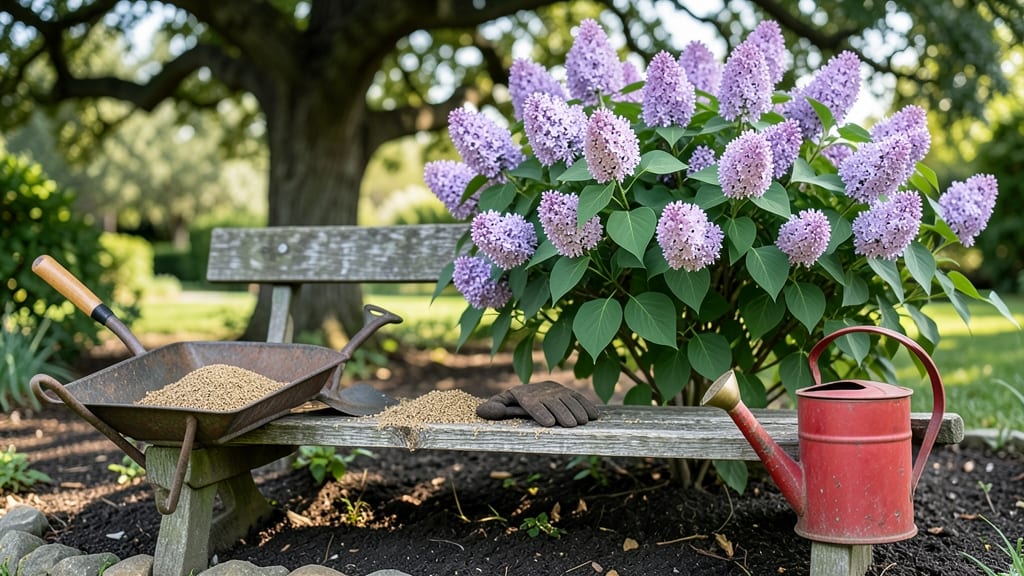
Feeding lilac bushes the right way unlocks vibrant blooms and stronger stems—it’s all about the balance of nitrogen and soil pH.
Struggling to get your lilac bushes 🌸 to bloom as vibrantly as they should? The secret isn’t just water—it’s what you feed them. Too much nitrogen turns your shrubs into leafy monsters, while the wrong pH stunts growth entirely.
I’ve seen weak stems turn into lush, fragrant blooms just by tweaking the fertilizer routine.
Lilacs thrive in slightly acidic to neutral soil (pH 6.0–7.0), but most gardeners overlook this detail. A quick soil test can reveal if your bushes are starving for nutrients—or drowning in them.
The key is feeding at the right time: early spring and after flowering, never in fall or winter.
In this guide, I’ll break down the best organic and synthetic fertilizers, how to avoid common mistakes, and exactly when to feed for long-term vitality. No more guesswork—just stronger blooms every season.
Optimal soil pH and nutrient requirements for lilac bushes
Your lilac bushes may look healthy, but without the right soil pH and nutrient balance, they’ll skip their signature fragrant blooms. The key to vibrant lilacs starts underground—specifically, with soil that’s slightly acidic to neutral and rich in the right minerals.
Let’s break down exactly what your lilacs need to thrive and how to give it to them.
Lilacs thrive in soil pH between 6.0 and 7.0, which is considered mildly acidic to neutral. If your soil is too alkaline (above 7.0), nutrients like iron and manganese become locked away, causing yellowing leaves and poor growth.
Testing your soil is the first step—it’s like giving your lilacs a health check before their big bloom season.
Beyond pH, lilacs crave a balanced diet of three essential nutrients: nitrogen (N) for leafy growth, phosphorus (P) for root development, and potassium (K) for overall plant health. The classic 10-10-10 fertilizer ratio works well, but timing and application matter just as much as the numbers on the bag.
A soil test kit (available at garden centers for ~$20) is your best friend here. It reveals whether your soil is deficient in nitrogen, phosphorus, or potassium—or even if it’s too acidic or alkaline.
For example, if your test shows a pH of 7.5, you’ll need to lower it with sulfur to bring it back into the ideal range for lilacs.
Organic fertilizers like compost, manure, or worm castings release nutrients slowly, feeding your lilacs all season without the risk of burning roots. Synthetic fertilizers, on the other hand, offer precise nutrient ratios but require careful timing—too much too soon can overstimulate growth and reduce blooms.
For example, a 10-10-10 synthetic fertilizer is great in early spring, but switch to a low-nitrogen formula (like 5-10-10) after blooming to encourage next year’s buds.
If your lilacs are already established (3+ years old), focus on top-dressing with compost in early spring and fall. This improves soil structure and adds nutrients gradually.
For younger bushes, a balanced fertilizer applied in early spring (just as new growth appears) gives them the boost they need to develop strong roots and stems for future blooms.
One common mistake is over-fertilizing with nitrogen, which results in lush foliage but fewer flowers. Lilacs need a balance—too much nitrogen shifts their energy toward leaves instead of blooms.
If your bush is leafy but flower-sparse, cut back on nitrogen and add more phosphorus and potassium to encourage blooming.
To test your soil’s pH at home, mix a spoonful of soil with water in a cup and use a pH test strip.
For a more accurate reading, send a sample to your local cooperative extension service—they’ll provide a detailed report on nutrient levels and pH. This small investment can save you from guessing and ensure your lilacs get exactly what they need to shine.
Remember, lilacs are perennials, meaning they’ll reward you for years if you give them the right care now. Start with the right soil pH, feed them a balanced diet, and soon you’ll be smelling those intoxicating blooms every spring—no mystery fertilizers required!
Best organic and synthetic fertilizers for lilac growth
Feeding your lilac bushes correctly is the key to those fragrant, abundant blooms you dream of. Unlike many shrubs, lilacs thrive on a balanced approach—too much nitrogen means leafy growth but no flowers, while poor nutrition leads to weak stems and sparse blooms.
The right organic and synthetic fertilizers can transform your lilacs from lackluster to show-stopping in just one season.
Timing matters just as much as the fertilizer itself. Lilacs need a spring feeding to kickstart growth and a light summer boost to sustain flowering, but fall and winter are no-feed zones.
Over-fertilizing in late summer can actually reduce next year’s blooms, so patience is key. Let’s break down the best options to keep your lilacs healthy, blooming, and thriving.
For organic fertilizers, compost is my top recommendation. Work a 2-inch layer into the soil in early spring to improve soil structure and microbial activity. Worm castings are another powerhouse—they release nutrients slowly, mirroring nature’s timing.
Apply 1 cup per shrub in spring and again after flowering. Bone meal (3-4-1 NPK) is excellent for phosphorus, which encourages root and flower development. Sprinkle ½ cup per bush in early spring for a bloom boost.
If you prefer synthetic options, a balanced 10-10-10 fertilizer is ideal for lilacs. Use ½ cup per shrub in early spring and again after flowering. For a slow-release solution, try osmocote or poly-coated granules (14-14-14).
These feed your lilacs gradually over 3-4 months, reducing the risk of over-fertilization. Always follow package instructions—more isn’t better with lilacs!
One critical mistake I see is fertilizing after mid-summer. Lilacs need time to harden off before winter, and late-season feeding can delay dormancy, making them vulnerable to cold damage.
Stick to spring and early summer applications, and your lilacs will reward you with healthier stems and bigger blooms next year.
Pro tip: Pair your fertilizer with a 2-inch layer of mulch (like shredded bark) to retain moisture and regulate soil temperature. This simple step can double the effectiveness of your fertilizer while protecting roots. Just keep mulch 6 inches away from the trunk to prevent rot.
Remember, lilacs are low-maintenance once established, but they do appreciate a little extra love in spring. Whether you choose organic or synthetic, consistency is key. Start with a soil test to check pH (aim for 6.0–7.0), and adjust your feeding plan accordingly.
Your lilacs will thank you with vibrant blooms and lush foliage for years to come! 🌸