
Size
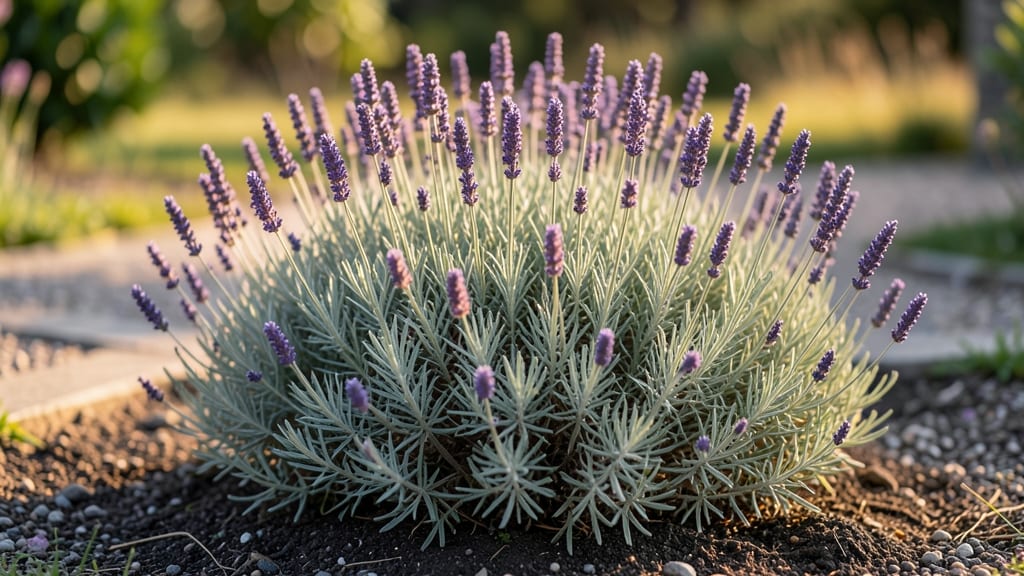
Growing a lavender bush to its full size means spacing it just right—2 to 3 feet apart for standard varieties, but closer for dwarf types—to unlock that signature fragrance and robust growth.
Picture this: you’ve planted your lavender, watered it, and given it plenty of sun, but it’s still struggling to thrive. The issue might not be what you’re doing—it could be how close you planted it to its neighbors.
Crowded lavender bushes compete for nutrients, leading to weak stems and poor fragrance.
Lavender isn’t just about pretty purple blooms—it’s about creating a garden that smells like summer. The right spacing ensures strong roots, better airflow, and maximum fragrance, while poor spacing can lead to disease or stunted growth.
In this guide, I’ll break down the ideal spacing for different lavender varieties, how to prune for the perfect size, and common mistakes that keep your bushes from reaching their full potential.

How far apart should lavender bushes be planted for optimal growth?
Getting the lavender bush spacing right is the difference between a fragrant, thriving garden and one filled with weak, leggy plants. Lavender thrives on air circulation and sunlight exposure, so cramming bushes too close together creates a breeding ground for fungal diseases and root competition.
The ideal distance depends on the lavender variety—English lavender (Lavandula angustifolia) behaves differently than French lavender (Lavandula stoechas), and their spacing needs reflect that.
Most gardeners overlook how root spread affects spacing. Lavender roots can extend 18-24 inches beyond the plant’s canopy, meaning you need to account for both the bush’s height and its underground expansion. Planting too close forces roots to compete for nutrients, weakening both growth and fragrance intensity.
On the flip side, spacing them too far apart wastes garden space and dilutes that dreamy lavender scent you’re craving.
For English lavender, the gold standard for gardeners, aim for 24-36 inches apart. This variety matures at 18-24 inches tall with a 24-36 inch spread, so this spacing ensures roots don’t overlap while still creating a lush, fragrant hedge.
If you’re growing French lavender, which can reach 24-36 inches tall with a 36-48 inch spread, increase the distance to 36-48 inches apart. This prevents the taller stems from leaning or breaking under their own weight.
Spacing also impacts fragrance intensity. When lavender bushes are too close, they compete for sunlight and nutrients, leading to weaker essential oil production. The result? A garden that looks full but smells disappointingly mild.
Proper spacing ensures each plant gets 6+ hours of direct sunlight daily, which is critical for oil development and that signature lavender aroma. Think of it like a perfume factory—more space means more potent scent!
Don’t forget about soil aeration. Lavender roots need well-draining soil to prevent root rot, and proper spacing helps maintain loose, airy soil. If you’re planting in clay-heavy soil, increase spacing to 48 inches apart to give roots room to breathe.
Amend the soil with sand or gravel to improve drainage, but avoid compacting it during planting. A loose soil structure keeps roots healthy and encourages robust growth.
Another pro tip: container gardening changes the spacing game. If you’re growing lavender in pots, use one plant per 12-15 inch container for dwarf varieties or one plant per 18-24 inch container for standard types.
Containers dry out faster, so ensure they have drainage holes and use a cactus/succulent mix to mimic lavender’s natural soil preferences. Group containers in a way that mimics in-ground spacing—24-36 inches apart for English lavender, 36-48 inches apart for French.
When planting, dig holes twice as wide as the root ball but only as deep as the container. This encourages roots to spread outward rather than downward, which is key
Common lavender spacing mistakes that stunt growth (and how to fix them)
Your lavender bushes might look healthy on the surface, but poor spacing can silently sabotage their growth. Overcrowding steals nutrients, while underspacing leaves plants vulnerable to wind damage and weak stems.
Even aggressive pruning can shrink your lavender’s natural size if done at the wrong time. Let’s fix these mistakes before they turn your fragrant garden into a stunted disappointment.
First, let’s tackle the biggest culprit: overcrowding. When lavender bushes are planted too close—typically within 12-18 inches of each other—they compete for water, sunlight, and nutrients. This leads to compacted roots, weak stems, and a loss of that signature lavender fragrance.
Even worse, crowded plants attract pests like spider mites, which thrive in dense, shaded conditions.
⚠️ callout-warning
If your lavender bushes are less than 18 inches apart, they’re likely suffocating each other. Signs of overcrowding include:
- Leggy stems reaching for sunlight
- Pale, sparse foliage with weak fragrance
- Fungal spots on leaves (from poor airflow)
Fix it now: Thin out crowded plants immediately—aim for 24-36 inches between standard lavender bushes. For dwarf varieties, 12-18 inches is ideal.
On the flip side, underspacing (planting too far apart) creates gaps that look unnatural and waste garden space. While lavender needs room to breathe, spacing them more than 4 feet apart can lead to isolated, leggy growth as they stretch toward the center of the garden.
The sweet spot? 24-36 inches for most varieties, adjusted for your lavender’s mature size.
Poor soil drainage is another spacing-related mistake. Lavender roots rot quickly in soggy soil, and compacted soil from overcrowding worsens drainage issues. If your lavender sits in a low-lying area or heavy clay, amend the soil with gravel or sand to improve airflow.
Elevate plant beds slightly to prevent water pooling around the roots.
Pruning plays a role too—over-pruning in late summer or early fall can stunt new growth. Always prune right after flowering (late summer) to encourage bushier, fuller stems.
Avoid cutting into old wood, as lavender struggles to regrow from bare stems. For compact varieties, a light trim in spring keeps them tidy without sacrificing size.
If your lavender is already struggling, transplanting might be the answer. The best time to move lavender is in early spring or fall, when temperatures are mild. Dig up the plant, trim any damaged roots, and replant it with proper spacing.
Water deeply for the first week to reduce transplant shock, and avoid fertilizing for 6-8 weeks to let roots establish.
With the right spacing, your lavender will reward you with vibrant blooms, intense fragrance, and sturdy stems that last for years. Start with these fixes, and your garden will smell like a Mediterranean retreat in no time. 🌿