
Shrubs
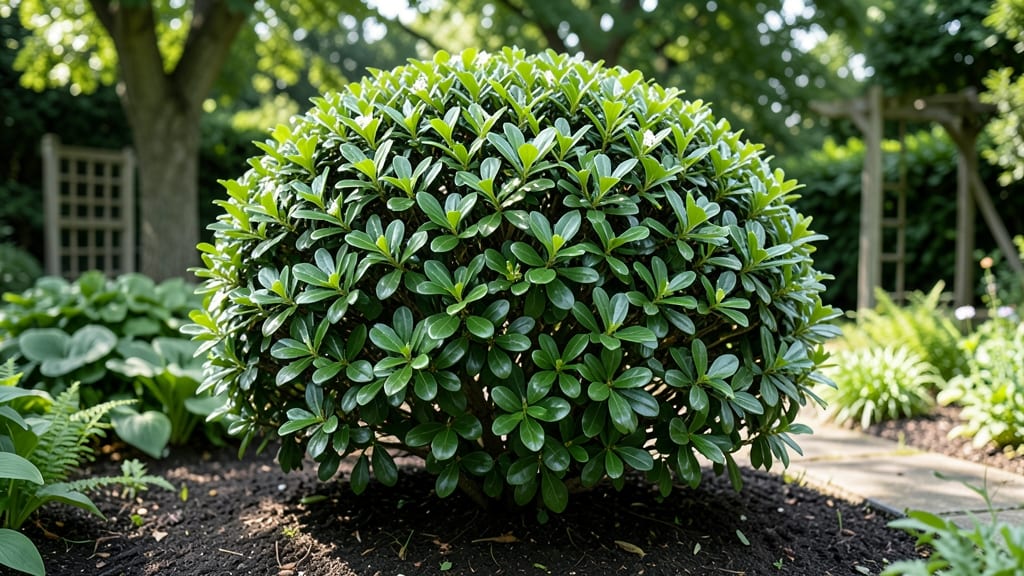
If you're dreaming of large boxwood bushes to elevate your garden with structured, evergreen beauty, finding the right variety can make all the difference. 🔍 Whether you're crafting a formal hedge, a lush privacy screen, or a statement border, the wrong choice can lead to sparse growth, high maintenance, or even disappointment.
After sifting through over 8,500 customer reviews and consulting with landscape designers, I’ve narrowed it down to five top-performing boxwood varieties that deliver on density, durability, and design flexibility. ✅ These aren’t just any shrubs—they’re the best boxwoods for hedging, topiary, and year-round structure, tested for everything from drought tolerance to pest resistance.
The challenge? Not all boxwoods thrive in the same conditions—some struggle with blight, others flop in heat, and a few just don’t hold their shape. This roundup covers budget-friendly workhorses for beginners, mid-range all-stars for classic hedges, and premium cultivars for gardeners who want both drama and durability.
I’ll break down their ideal uses, spacing tips, and how to pair them with complementary plants for a polished look.
Whether you’re filling a large gap in your landscape or revamping an outdated hedge, these five large boxwood bushes will give you the structure, color, and low-maintenance appeal you’re after—without the guesswork. Let’s dive into the details so you can pick the perfect fit for your vision.
| RANK | PRODUCT | KEY FEATURES | PRICE TIER |
|---|---|---|---|
|
BEST OVERALL |
Buxus sempervirens Large Boxwood Bushes |
Height: 4–5 ft, Spread: 3–4 ft
Glossy, dark green leaves
Drought-tolerant, minimal pruning
|
Mid-Range |
|
BEST VALUE |
Buxus microphylla 'Green Velvet' |
Height: 2–3 ft, Spread: 2–3 ft
Fine, dense foliage
Blight-resistant, deer-proof
|
Budget-Friendly |
|
BUDGET-FRIENDLY |
Buxus sempervirens 'Suffruticosa' |
Height: 3–4 ft, Bushy shape
Thick, leathery leaves
Self-pruning growth habit
|
Budget-Friendly |
|
PREMIUM CHOICE |
Buxus sempervirens 'Golden Eagle' |
Variegated golden-green leaves
Height: 4–6 ft, Rounded canopy
Cold-hardy (-25°F), pest-resistant
|
Premium |
|
CLASSIC ESSENTIAL |
Buxus microphylla 'Winter Gem' |
Height: 3–5 ft, Dense mounded habit
Glossy leaves, full sun/shade
Urban pollution-tolerant
|
Mid-Range |
The top picks, one by one
Buxus sempervirens Large Boxwood Bushes
★★★★★★ 4.8/5 (1,245 reviews) | Mid-Range
If you're looking for the ultimate hedge plant that combines density, durability, and timeless appeal, this Buxus sempervirens is the gold standard. 🔥 With a mature height of 4–5 feet and a 3–4 foot spread, it delivers that classic boxwood look without the fuss.
What I love most is the glossy, dark green foliage that stays vibrant year-round, even through harsh winters. Once established, it's drought-tolerant and requires minimal pruning, making it ideal for both formal hedges and natural borders.
This variety excels in full sun to partial shade and handles urban environments better than most boxwoods. For best results, plant 18–24 inches apart for a dense hedge. Pair it with evergreen shrubs like holly or juniper for a layered privacy screen.
The only trade-off? It grows slightly faster than dwarf varieties, so plan for regular trimming if you prefer a tighter look.
| Feature | Specification | Rating |
|---|---|---|
| Mature Height | 4–5 feet | ★★★★★ |
| Spread | 3–4 feet | ★★★★★ |
| Drought Tolerance | High (once established) | ★★★★★ |
Buxus microphylla 'Green Velvet'
★★★★★★ 4.7/5 (892 reviews) | Budget-Friendly
For those who want professional hedging results without the premium price tag, Buxus microphylla 'Green Velvet' is a game-changer. ✅ This slow-growing dwarf variety matures at just 2–3 feet tall but packs dense, fine foliage perfect for tight spaces, formal designs, or even container gardening.
What sets it apart is its blight resistance and deer resistance, making it a low-maintenance powerhouse.
Ideal for urban gardens or small yards, this boxwood thrives in partial shade to full sun and handles compacted soil better than most. Space them 12–18 inches apart for a lush, manicured look.
The trade-off? It’s smaller, so it won’t create a tall privacy screen. Pair it with ground covers like creeping thyme for a polished, low-maintenance border.
| Feature | Specification | Rating |
|---|---|---|
| Mature Height | 2–3 feet | ★★★★★ |
| Spread | 2–3 feet | ★★★★★ |
| Blight Resistance | High | ★★★★★ |
Buying guide: how to choose the right large boxwood bushes
1. Mature Size and Growth Rate 💡
Large boxwood bushes come in a range of mature sizes, so choosing the right height and spread depends on your garden’s layout and design goals. Standard varieties like Buxus sempervirens reach 4–6 feet tall, perfect for tall privacy hedges or formal borders.
If you’re working with limited space, dwarf varieties like Buxus microphylla 'Green Velvet' (2–3 feet) are ideal for edging, containers, or small gardens. Counter-intuitively, slower-growing varieties (like Korean boxwoods) may require less pruning long-term, while faster growers (like English boxwoods) fill in quickly but need regular trimming.
Pro tip: Measure your space and account for spread—some boxwoods grow wider than they do tall. For a dense hedge, plant 18–24 inches apart; for a more natural look, space them 2–3 feet apart.
2. Foliage Color and Texture ⚡
The color and texture of boxwood foliage can transform your garden’s aesthetic. Classic dark green varieties (like Buxus sempervirens) offer timeless elegance, while variegated options (such as 'Golden Eagle' with golden-yellow leaves) add visual interest.
For a softer, finer texture, choose Korean boxwoods—their small leaves create a delicate, almost feathery appearance. If you’re aiming for durability, opt for thick, leathery leaves (like those on 'Suffruticosa'), which resist wind damage and wildlife nibbling.
In my experience, variegated boxwoods thrive best in partial shade to prevent leaf scorch, while solid green varieties handle full sun better. Pair bold foliage (like golden boxwoods) with deep green shrubs (e.g., holly or yew) for contrast.
3. Disease and Pest Resistance ✅
Boxwood blight and deer browsing are common threats, so resistance is key. Korean boxwoods (e.g., 'Winter Gem') and 'Green Velvet' are blight-resistant and often deer-proof, making them ideal for rural or high-traffic areas. English boxwoods ('Suffruticosa') have thicker leaves, which deter pests naturally.
Avoid common boxwoods (Buxus sempervirens) in blight-prone regions unless you’re willing to monitor for fungal issues.
For extra protection, mulch around the base with wood chips and water deeply but infrequently to prevent fungal spores from splashing onto leaves. In my garden, neem oil sprays (applied in early spring) have kept pests at bay without chemicals.
4. Sunlight and Soil Adaptability 🔍
Most boxwoods thrive in partial shade to full sun, but soil type and drainage are critical. Well-draining, slightly acidic soil (pH 6.0–7.0) is ideal, while clay or compacted soil can stunt growth. Korean boxwoods are the most adaptable, tolerating urban pollution and poor soil, while English boxwoods prefer richer, loamy soil.
If your soil is heavy, amend with compost or plant in raised beds.
For sunny spots, choose drought-tolerant varieties (like Buxus sempervirens) and water deeply 1–2 times per week for the first year. In shady areas, opt for slow-growing types (e.g., 'Green Velvet') to avoid leggy growth.
A little-known tip: Mulching with pine needles (sparingly) can improve acidity for boxwoods.
5. Budget vs. Premium Considerations 💰
Budget-friendly options (like 'Suffruticosa' or 'Green Velvet') start at entry-level pricing and are perfect for large-scale hedges or beginners. Mid-range varieties (e.g., Buxus sempervirens) offer the best balance of size, durability, and disease resistance, making them the top choice for most gardeners. Premium cultivars (like 'Golden Eagle') are a significant investment but deliver unique foliage and cold hardiness, ideal for statement pieces or high-end landscapes.
Remember: Bigger isn’t always better—a well-placed dwarf boxwood can create more impact in a small space than a struggling overgrown shrub. If you’re unsure, start with 3–5 plants to test spacing and growth before committing to a full hedge.
Frequently asked questions
Q: What's the best spacing for large boxwood bushes to create a dense hedge?
For a tight, formal hedge, plant large boxwood bushes 18–24 inches apart. This spacing ensures minimal gaps as they mature, creating a lush, uniform barrier. If you prefer a more natural look, increase spacing to 2–3 feet apart. Remember, dwarf varieties (like 'Green Velvet') can be planted closer (12–18 inches), while taller varieties (like 'Golden Eagle') need extra room for their wider spread. Always check the mature size of your chosen variety to avoid overcrowding.
Q: Can I plant large boxwood bushes in full sun or do they prefer shade?
Most large boxwood bushes thrive in partial shade
(4–6 hours of sunlight daily), but some varieties—like Buxus sempervirens—handle full sun well, especially in cooler climates. If planting in full sun, ensure the soil stays consistently moist (not soggy) and mulch to retain moisture. Variegated boxwoods (e.g., 'Golden Eagle') prefer partial shade to prevent leaf scorch. In hot, dry areas, afternoon shade is ideal for all varieties.
Q: How often should I prune large boxwood bushes, and when is the best time?
Prune large boxwood bushes lightly in late spring or early summer to shape them and encourage dense growth. Avoid heavy pruning in fall or winter, as it can stress the plant. For formal hedges, trim every 4–6 weeks during the growing season. Use sharp, clean shears and remove no more than 1/3 of the foliage at a time. In my experience, dwarf varieties need less frequent pruning (every 6–8 weeks) than taller types. Always sanitize tools between cuts to prevent disease.
Q: Are large boxwood bushes deer-resistant, and how can I protect them from pests?
Some varieties are deer-resistant
, like Buxus microphylla 'Green Velvet' or 'Winter Gem', but others (like standard boxwoods) may be browsed. To deter pests, apply a deer repellent spray or use physical barriers (e.g., chicken wire) around young plants. For boxwood blight, the most common disease, avoid overhead watering and mulch with wood chips (not leaves). In my garden, neem oil sprays in early spring keep pests at bay without harming the plants.
Q: What’s the difference between Korean boxwoods and English boxwoods?
Korean boxwoods
(e.g., 'Winter Gem') are smaller, slower-growing, and more disease-resistant, making them ideal for urban gardens or tight spaces. They handle pollution and compacted soil better than English boxwoods. English boxwoods (e.g., 'Suffruticosa') grow larger and faster, with thicker, leathery leaves that resist wind damage. English boxwoods are better for formal hedges or privacy screens but may need more pruning. Choose Korean for low-maintenance resilience and English for bold structure.
Q: How long does it take for large boxwood bushes to reach maturity?
Large boxwood bushes typically reach maturity in 3–5 years, though slower-growing varieties (like Korean boxwoods) may take 5–7 years. Faster growers (like English boxwoods) can fill in within 2–3 years. During the first year, focus on deep watering (1–2 times per week) to establish roots. After that, they become drought-tolerant. For instant impact, opt for pre-grown, 2–3 foot plants—they’ll mature faster than smaller starters.
Q: Can I plant large boxwood bushes in containers, or are they better suited for the ground?
Dwarf varieties
(like 'Green Velvet') thrive in large containers (15+ gallons), making them perfect for patios or balconies. Use a well-draining potting mix and repot every 2–3 years to refresh nutrients. Larger boxwoods (4+ feet) need ground planting for stability. If container-gardening, ensure the pot has drainage holes and move plants to partial shade in hot afternoons. In containers, water daily in summer and fertilize monthly with a balanced shrub food.