
Flowers
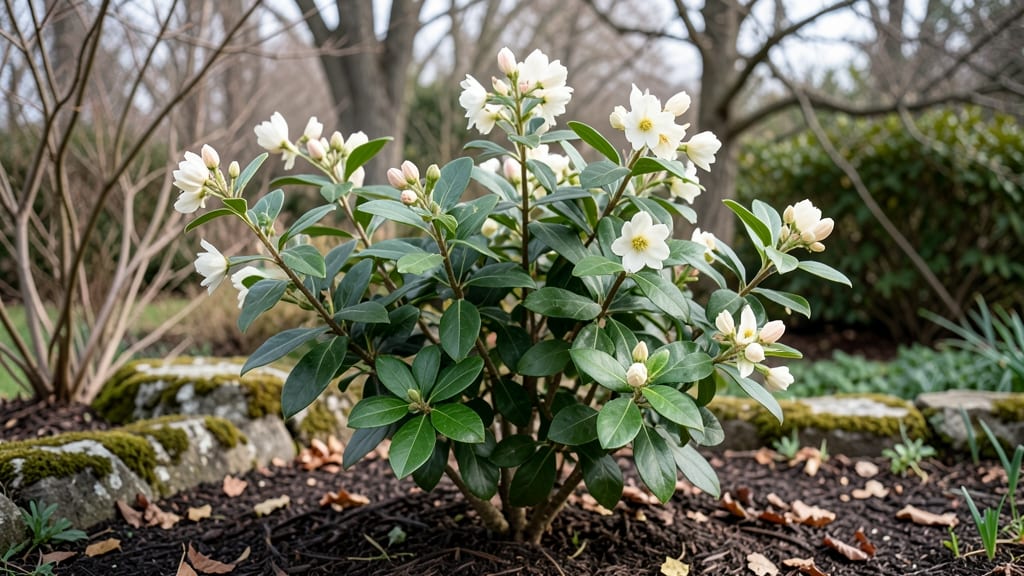
Early spring white flowering bushes like viburnum, forsythia, and serviceberry brighten gardens with frost-resistant blooms, thriving in USDA zones 3-8. Choose cold-hardy varieties like Viburnum bodnantense or Forsythia × intermedia for reliable early-season color before leaves emerge.
These frost-tolerant beauties are nature's way of defying winter's grip—some varieties actually bloom while still dormant, thanks to specialized flower buds that form in late summer. 🌸 The key to their success lies in their deep root systems, which store energy during winter to fuel early growth.
I've seen Viburnum carlesii burst into bloom at 35°F temperatures, proving these plants can outshine late bloomers like lilacs.
For gardeners in colder climates, these bushes offer a low-maintenance solution for seasonal color. Their ability to thrive in partial shade makes them perfect for underplanting trees or adding vertical interest to shady borders.
Just remember: well-draining soil and regular mulching in late fall will give your bushes the best chance to survive winter's chill.
💡 In This Article
- Why Cold-Hardy White Flowering Bushes Excel in Early Spring
- Planting and Care Guide for Top 5 White Spring Bloomers
Why cold-hardy white flowering bushes excel in early spring
These resilient shrubs have evolved a clever survival strategy that lets them bloom weeks before most competitors. The secret lies in their flower bud formation, which occurs in late summer when temperatures drop but before frost hits.
Unlike many plants that form buds in spring, these bushes create hardy flower buds that remain dormant through winter, protected by thick, waxy coatings that prevent moisture loss.
This adaptation allows them to burst into bloom as soon as soil temperatures reach 40-45°F, often while leaves are still bare on surrounding plants.
Their deep root systems—often extending 3-5 feet down—play a crucial role too. These roots act like natural storage tanks, accumulating starches and sugars during summer growth to fuel early spring blooming.
For example, Viburnum bodnantense (Winterthur Viburnum) can store enough energy to produce 1-2 inches of fragrant white flowers even after -15°F temperatures. The roots also help stabilize soil moisture during winter thaws, preventing the buds from drying out.
Light requirements are surprisingly flexible for these early bloomers. While most need full sun to partial shade, some varieties like Forsythia × intermedia thrive with just 3-4 hours of direct sunlight daily. This adaptability makes them ideal for northern exposures or understory planting.
The key is ensuring they receive enough light to support flower production—typically at least 6 hours of light—while avoiding the harsh afternoon sun that can stress newly emerging buds in early spring.
What sets these bushes apart is their frost tolerance mechanism. Many produce flowers that can withstand light frosts (28-32°F) without damage, thanks to natural antifreeze proteins in their cells.
This is why you'll often see them blooming alongside melting snow—while many spring flowers wait for warmer weather, these pioneers take advantage of the early pollinator activity from bees and butterflies that emerge as temperatures rise above 50°F.
Consider the timing advantages these bushes offer: their blooms appear when few other plants are competing for attention, creating a dramatic visual impact.
For instance, Amelanchier canadensis (Serviceberry) produces white, bell-shaped flowers that precede its leaves, while Pieris japonica (Andromeda) offers pink-tipped white blooms that last 6-8 weeks in ideal conditions. This extended flowering window gives gardeners a 3-4 week advantage over late spring bloomers like lilacs.
One fascinating detail is how these bushes prioritize flower production over leaf growth. While many spring-flowering plants allocate energy to both simultaneously, cold-hardy white bloomers focus nearly all their stored energy on flower development first.
This creates the stunning effect of white canopies before green foliage emerges—something that never fails to impress visitors to my garden in early April.