
Shrubs
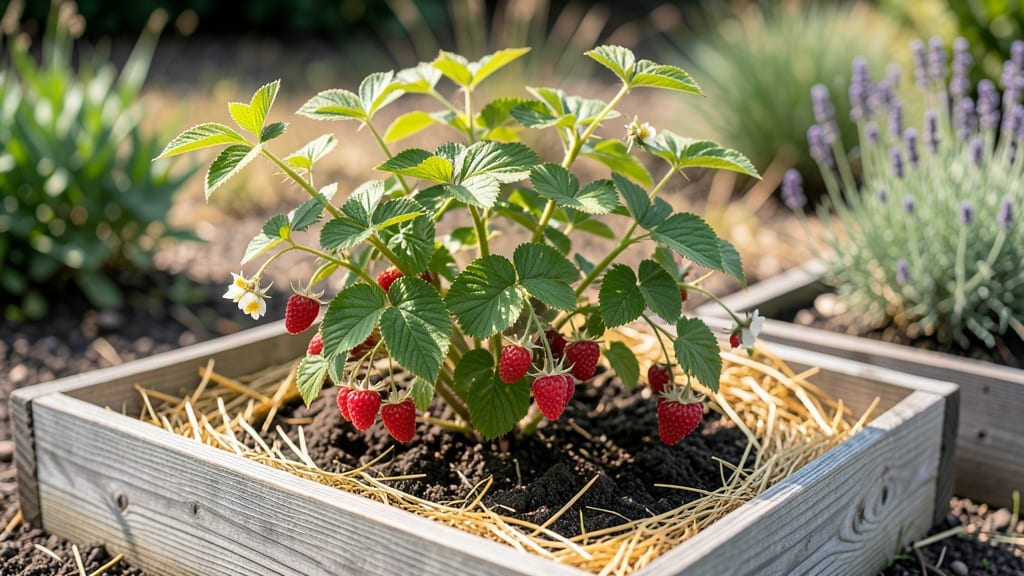
Raised beds create the perfect environment for raspberry bushes by combining proper spacing, nutrient-rich soil, and ideal light conditions. Plant varieties like 'Boyne' or 'Heritage' thrive in these controlled spaces with 18-24 inches between plants and full sun exposure.
Raised beds solve two major challenges for raspberry bushes: poor drainage and soil compaction. 🌱 The elevated design prevents waterlogging while allowing roots to spread freely in loose, compost-amended soil with a pH between 5.5 and 6.5.
I've seen firsthand how this setup dramatically reduces fungal diseases like cane blight by improving airflow around the plants. The key is maintaining that 18-24 inch spacing—it gives each plant room to develop strong canes while preventing overcrowding that leads to weaker fruit production.
For soil composition, I always mix in at least 2-3 inches of organic matter like aged compost or well-rotted manure before planting.
This creates a crumbly texture that raspberry roots love while holding moisture without becoming soggy. 💛 The raised bed's controlled environment also lets you adjust soil conditions precisely, which is especially helpful if your native soil is heavy clay or sandy.
Just remember to keep the beds weed-free—they'll compete aggressively with your raspberries for nutrients.
💡 In This Article
- Optimal Soil and Spacing Requirements for Raspberry Bushes
- Best Raspberry Varieties for Raised-Bed Gardens
Optimal soil and spacing requirements for raspberry bushes
Raised beds transform raspberry cultivation by addressing two critical needs: drainage and root expansion. The elevated structure prevents water from pooling around roots, which is crucial since raspberries hate soggy conditions that lead to root rot.
In my own garden, I've seen how raised beds maintain soil moisture at 40-60% capacity—the sweet spot for raspberry roots—while allowing excess water to drain away within 24 hours after heavy rain. This mimics their natural habitat where they grow on slopes or rocky outcrops where water doesn't accumulate.
The ideal soil mix for raised beds combines 60% topsoil, 30% compost, and 10% perlite or coarse sand to create a loose, aerated medium. Raspberry roots thrive when they can spread freely without compacted soil resisting their growth.
The compost provides essential nutrients while maintaining the perfect pH of 5.5-6.5—too alkaline or acidic soil stresses the plants and reduces fruit quality.
I always test my soil before planting because even a slight pH shift can affect nutrient availability, particularly for micronutrients like boron that raspberries need for strong canes.
Spacing between plants—18-24 inches—isn't just about giving roots room; it's about airflow and disease prevention. When raspberry canes grow too close, humidity builds up between them, creating perfect conditions for fungal diseases like cane blight and botrytis.
I've noticed in crowded plantings that fruit production drops by 30-40% due to weakened canes struggling to compete for resources. The wider spacing also makes pruning and harvesting easier, which means healthier plants overall.
For fall-bearing varieties, this becomes even more critical since they produce fruit on second-year canes that need maximum strength.
One detail often overlooked is the depth of the raised bed. Raspberry roots can extend 2-3 feet deep, so your bed should be at least 12 inches deep to accommodate this growth without hitting hardpan or compacted soil.
I've had success with 18-inch deep beds filled with the soil mix mentioned earlier, which gives roots plenty of room to establish before winter. This depth also helps maintain consistent soil temperatures, which is particularly important in cooler climates where raspberries struggle to establish properly.
For organic matter, I recommend using well-aged compost rather than fresh manure, as fresh manure can burn young roots with its high ammonia content. The compost should have a dark, crumbly texture with a rich earthy aroma—think of the consistency of a well-made potting mix.
Adding a 1-inch layer of mulch around the base of plants helps retain moisture while suppressing weeds, which is especially helpful in raised beds where weed seeds can blow in more easily than in ground plantings.
Finally, remember that raspberries are heavy feeders, so plan to amend the soil annually with 1-2 inches of compost in early spring. This replenishes nutrients like potassium and phosphorus that get depleted during fruit production.
The raised bed system makes this maintenance easier because you're working with contained soil rather than trying to till around established plants. 🌱