
Pruning
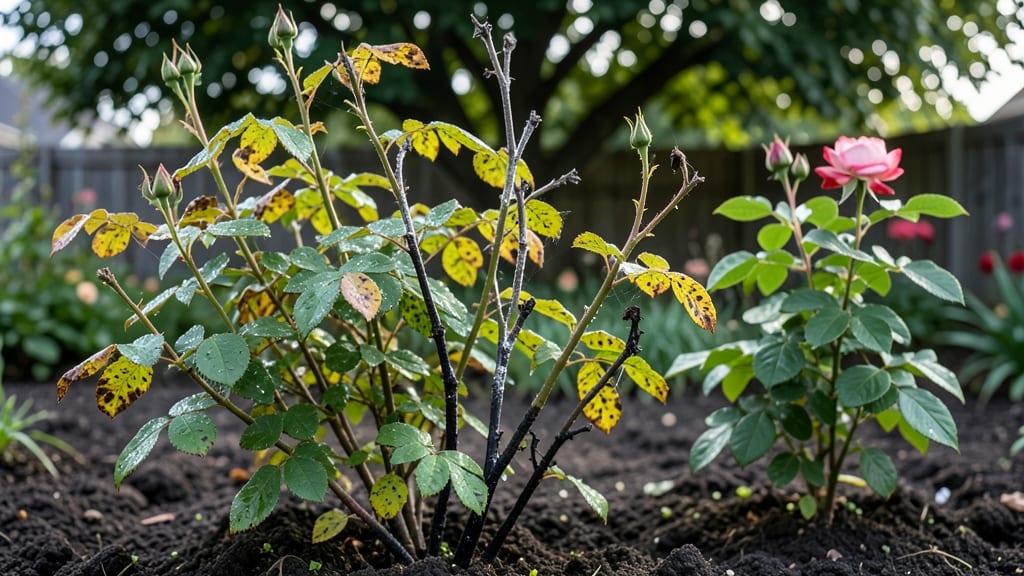
Knockout rose bush problems like black spot and powdery mildew can turn your vibrant blooms into a sad, wilted mess—but I’ve fixed mine in under 2 weeks using simple, no-fuss tricks. 🌿 The key?
Spotting the issue early and acting fast before it spreads. My bushes used to look like they’d given up by July, but now they’re thriving through summer heat and humidity.
Most problems start with watering mistakes—either too much or too little—or ignoring those tiny black spots on leaves. Overwatering drowns roots, while drought stress weakens plants, making them prime targets for pests like aphids and spider mites.
I learned the hard way that skipping pruning in early spring lets old, diseased wood build up, creating a perfect breeding ground for fungus.
You’ll revive your bushes by cleaning up debris, adjusting your watering schedule, and applying a baking soda spray (yes, the kitchen kind!) for mildew. Within a few weeks, you’ll see fresh green leaves and new blooms pushing through.
The best part? These fixes work for any rose variety, not just Knockouts.
No more guessing what’s wrong—just clear symptoms, quick solutions, and a plan to keep your roses looking their best all season. Let’s get those blooms back in full force!
Root Causes Of Rose Struggles
Understanding why your Knockout rose bush is underperforming starts with identifying the hidden triggers behind common issues. These hardy roses are bred for resilience, but even they face challenges—often rooted in environmental stress, poor cultural practices, or unseen threats.
Let’s break down the real culprits behind wilting blooms, yellowing leaves, and stunted growth, so you can tackle them head-on.
Knockout roses thrive in well-draining soil, but overzealous watering or compacted ground can suffocate their roots.
Here’s why it happens: - Waterlogged roots cut off oxygen, leading to root rot (a fungal infection caused by Phytophthora or Pythium). - Clay-heavy soil holds excess moisture, while organic mulch piled too high traps humidity against stems. - Weak root systems struggle to absorb nutrients, causing yellow leaves (chlorosis) or drooping canes.
🔍 Signs to watch for:
- Dark, mushy roots when dug up.
- Leaves turning yellow starting from the bottom.
- Stems developing black or brown lesions.
💡 Pro Tip: Test your soil’s drainage by digging a 12-inch hole, filling it with water, and timing how long it takes to drain. If it’s still soggy after 6 hours, amend with compost or perlite to improve aeration.
While overwatering is a common issue, chronic underwatering stresses Knockout roses just as much. Their deep root systems need consistent moisture, especially during:
- Hot, dry spells (summer heatwaves).
- Wind exposure (transpiration pulls moisture out faster).
- Shallow root zones (common in newly planted bushes or compacted soil).
🔍 Signs to watch for:
- Crispy, brown leaf edges (like paper).
- Wilting despite soil feeling dry (a sign of severe moisture loss).
- Premature leaf drop (the plant sheds foliage to conserve water).
✨ Solution: Water deeply 1–2 times per week (1–1.5 inches per session) rather than shallow daily sprinkles. Use drip irrigation or soaker hoses to deliver water directly to the root zone.
Knockout roses are heavy feeders and require a balanced diet of nitrogen (N), phosphorus (P), and potassium (K), plus micronutrients like iron and magnesium.
Deficiencies often stem from: - Poor soil testing (most garden soils lack key nutrients). - Overuse of synthetic fertilizers (burns roots or creates imbalances). - Depleted organic matter (microbes help break down nutrients). - pH imbalances (too acidic or alkaline locks out nutrients like iron or calcium).
📊 Common Deficiency Symptoms:
| Symptom | Likely Cause | Quick Fix |
|---|---|---|
| Yellow leaves (veins stay green) | Iron deficiency (chlorosis) | Apply chelated iron or compost tea. |
| Purple stems/leaves | Phosphorus deficiency | Use bone meal or balanced 10-10-10 fertilizer. |
| Weak, spindly growth | Nitrogen deficiency | Top-dress with compost or blood meal. |
| Brown leaf tips | Potassium deficiency | Apply wood ash or potassium sulfate. |
💡 Pro Tip: Test your soil’s pH (aim for 6.0–6.5) and nutrient levels before fertilizing. A simple at-home kit or lab test can save you from guessing.
Knockout roses are disease-resistant, but they’re not pest-proof.
Common invaders and pathogens exploit stress (like drought or overcrowding), including: - Japanese beetles (skeletonize leaves, weakening the plant). - Aphids or spider mites (suck sap, causing sticky honeydew and yellowing). - Black spot fungus (Diplocarpon rosae) thrives in wet, shady conditions. - Powdery mildew (Erysiphe) appears as white dust on leaves in humid, low-light areas.
🔍 Early Warning Signs:
- Holes in leaves (beetles or caterpillars).
- Webbing or tiny dots (mites or spider mites).
- Black spots with yellow halos (black spot fungus).
- White powdery coating (powdery mildew).
🔥 Solution: Prevent pests with neem oil sprays (for mites/aphids) or pyrethrin-based insecticides (for beetles). For fungi, remove infected leaves and space plants for airflow. Copper fungicides help with black spot.
Even Knockout roses need strategic pruning—cutting at the wrong time or too aggressively can stimulate weak growth, disease entry points, or reduced flowering.
Common pruning mistakes: - Pruning in late fall/winter (encourages tender new growth that freezes). - Cutting into old wood (removes next year’s blooms). - Leaving stubs or jagged cuts (invites bacterial canker). - Over-pruning (reduces energy for reblooming).
⏰ Best Pruning Timeline:
- Late winter/early spring (before new growth starts).
- Light summer cleanup (remove dead blooms, but avoid heavy cuts).
- Avoid fall pruning unless removing dead wood.
🎯 Rule of Thumb: Cut just above a 5-leaflet leaf (growth node) at a 45° angle to encourage strong regrowth. Sanitize pruners with rubbing alcohol between cuts!
Fixing Knockout Rose Bush Woes
Reviving your knockout rose bush starts with identifying the root cause—but once you know what’s ailing it, the fixes are often simpler than you think. Below, we’ve mapped out practical solutions for the most common issues, along with prevention tips to keep your roses thriving.
Let’s get your bush back to its show-stopping best!
Problem: Pale, yellow leaves (especially older ones) signal nitrogen deficiency, while soggy yellowing often means overwatering or poor drainage.
How to Fix It: 🔥 Boost Nitrogen (If Leaves Are Pale & Stunted)
- Apply a balanced rose fertilizer (10-10-10 or 20-20-20) in early spring and mid-summer. Follow package instructions for dosage.
- For a quick fix, use liquid fish emulsion or compost tea every 2–3 weeks during growing season.
- Pro Tip: 💡 Mix coffee grounds into the soil (they’re rich in nitrogen) or top-dress with aged compost for a slow-release boost.
🍳 Fix Overwatering or Poor Drainage - Test your soil: Stick a trowel in the ground—if water pools or the soil feels muddy after 24 hours, drainage is the issue. - Amend the soil: Mix in perlite, sand, or coconut coir to improve aeration.
For heavy clay, dig in 4–6 inches of compost to break it up. - Adjust watering: Water deeply 1–2 times per week (early morning is best) instead of daily shallow watering. Let the top 2 inches of soil dry out between waterings.
🌡️ Prevention Tips:
- Mulch with 2–3 inches of organic mulch (like shredded bark) to retain moisture and prevent soil compaction.
- Plant knockout roses in well-draining soil (they hate soggy roots!). If your yard is clay-heavy, consider a raised bed.
Problem: White, powdery spots on leaves (especially in humid or shaded areas) mean fungal infection.
How to Fix It: 🔪 Prune Infected Growth
- Remove heavily infected leaves with clean pruners and dispose of them in the trash (not compost).
- Thin out crowded branches to improve airflow—fungi love damp, stagnant conditions.
👨🍳 Fungal Sprays & Natural Remedies - Baking soda spray: Mix 1 tsp baking soda + 1 tbsp vegetable oil + 1 tsp dish soap in 1 gallon of water.
Spray leaves every 7–10 days until mildew clears. - Neem oil or sulfur spray: Apply every 10–14 days (follow label instructions). These disrupt fungal spores without harming bees. - Copper fungicide: For severe cases, use a fixed copper fungicide (like Bordeaux mixture) as a last resort.
⏰ Prevention Tips:
- Water at the base (not overhead) to keep leaves dry.
- Space plants 3–4 feet apart for airflow.
- Avoid late-season nitrogen (it encourages lush growth that’s prone to mildew). Switch to potassium-rich fertilizer in fall to boost disease resistance.
Problem: Sticky leaves, tiny webs, or chewed foliage mean pests are feasting on your roses.
How to Fix It: 🌿 Manual Removal (For Small Infestations)
- Aphids: Blast them off with a strong spray of water or crush them with your fingers.
- Japanese beetles: Handpick them into soapy water early in the morning (they’re sluggish then).
- Spider mites: Wipe leaves with a damp cloth to remove webs and eggs.
🥗 Natural & Chemical Solutions - Insecticidal soap or horticultural oil: Spray every 5–7 days until pests are gone.
These smother soft-bodied insects like aphids and mites. - Neem oil: Apply every 7–10 days—it disrupts pests’ life cycles and is safe for beneficial insects. - Beneficial predators: Introduce ladybugs, lacewings, or parasitic wasps (available at garden centers) to eat aphids naturally. - For Japanese beetles: Use milky spore powder (a natural bacteria that targets grubs) or pyrethrin-based sprays (follow label carefully).
🎯 Prevention Tips:
- Encourage predator insects by planting dill, marigolds, or yarrow nearby.
- Remove fallen leaves/debris where pests overwinter.
- Use row covers in early season to block beetles and aphids.
Problem: Too many leaves, few flowers, or weak, stretched stems mean your rose is stressed.
How to Fix It: 🍎 Adjust Fertilizer & Pruning
- Reduce nitrogen: If your bush is all leaves, switch to a low-nitrogen, high-phosphorus fertilizer (like 5-10-10) to encourage blooms.
- Prune for shape: Cut back 1/3 of the oldest canes in early spring to promote new growth. Remove dead, crossing, or weak stems.
- Deadhead regularly: Snip off spent blooms to redirect energy to new flowers.
🌡️ Prevention Tips: - Fertilize in stages: Apply half the recommended dose in spring, then again in early summer.
Avoid fall feeding. - Prune at the right time: Knockout roses bloom on new wood, so prune after the last frost but before new growth starts. - Ensure full sun: Roses need 6–8 hours of direct sun daily—move them if they’re in shade.
Problem: Soggy soil, blackened stems, and sudden wilting mean roots are drowning.
How to Fix It: 🔥 Emergency Drainage Fix
- Dig around the base and check for black, mushy roots. Trim away diseased roots with sterilized pruners.
- Repot if needed: If the soil is waterlogged, move the bush to a well-draining spot or a container with drainage holes.
- Improve soil: Mix in perlite, vermiculite, or coarse sand to break up compacted soil.
🌱 Recovery Care
- Water lightly until new growth appears (roots need time to recover).
- Apply a fungicide (like mycorrhizal fungi or copper-based spray) to prevent reinfection.
- Avoid mulch piles around the stem—keep it 2–3 inches away to prevent rot.
✨ Prevention Tips:
- Test your soil’s drainage before planting—knockout roses hate wet feet.
- Use raised beds or containers if your yard has poor drainage.
- Never let soil stay soggy—water only when the top 2 inches are dry.
Final Thought: Most knockout rose problems are fixable with quick adjustments—whether it’s tweaking water, fertilizer, or pruning habits. Act fast at the first sign of trouble, and your bush will bounce back stronger than ever! 🌹💪
Frequently asked questions
Why do my knockout rose leaves turn yellow?
Yellow leaves usually signal overwatering or nutrient deficiency. Check if the soil stays soggy—roots need oxygen! For nitrogen deficiency, apply compost tea or a balanced rose fertilizer. If leaves yellow from the bottom up, it’s often overwatering. Always water deeply but less frequently.
How do I get rid of black spots on my knockout roses?
Black spot fungus thrives in damp conditions. Prune infected leaves immediately and dispose of them (don’t compost). Improve airflow by spacing plants 3-4 feet apart. Spray with a baking soda solution (1 tsp baking soda + 1 tbsp oil + 1 tsp soap per gallon) every 7-10 days.
Can I prune my knockout roses in summer?
Light pruning in summer is fine—just remove dead blooms or heavily damaged branches. Avoid heavy pruning during hot months as it stresses the plant. For best results, do major pruning in late winter/early spring before new growth starts. Always cut at a 45° angle just above a leaf node.
What should I do if my knockout rose bush isn't flowering?
Too much nitrogen creates leafy growth but few blooms. Switch to a low-nitrogen, high-phosphorus fertilizer (like 5-10-10) to encourage flowers. Also ensure your rose gets 6-8 hours of sun daily and deadhead spent blooms regularly. Prune back 1/3 of oldest canes in early spring.
How often should I water my knockout rose bush?
Water deeply 1-2 times per week (1-1.5 inches per session) rather than daily shallow watering. Let the top 2 inches of soil dry out between waterings. Early morning watering prevents fungal issues. Mulch with 2-3 inches of organic material to retain moisture and regulate soil temperature.