
Shrubs
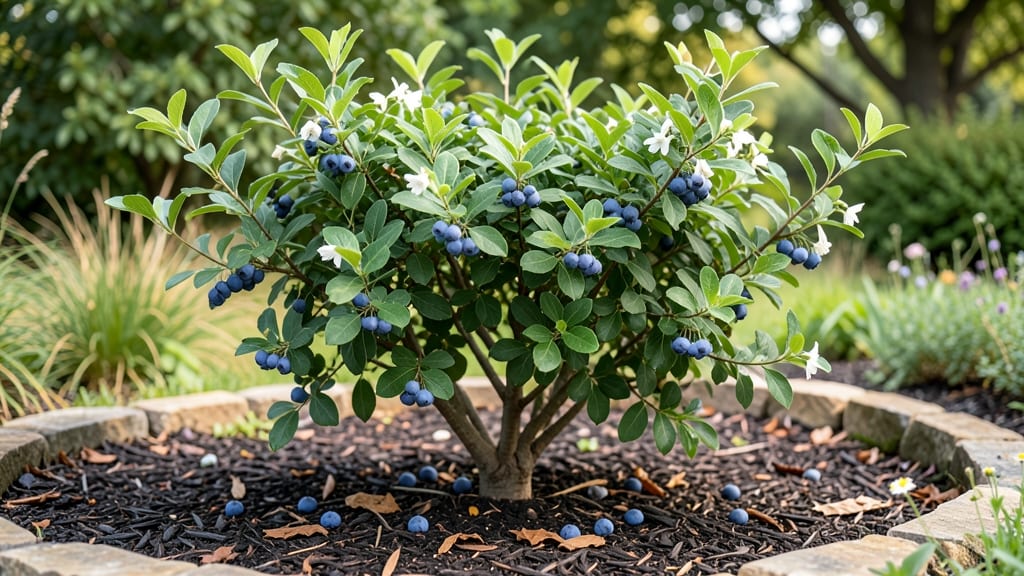
Blueberry bushes grow 3 to 8 feet wide at maturity, depending on the variety 🫐—a fact that can make or break your garden layout if you don’t plan ahead.
Picture this: You’ve spent months selecting the perfect blueberries for your yard, only to realize your bushes are crammed together like sardines, competing for sunlight and nutrients. That’s how spacing mistakes happen—and how you end up with smaller harvests and more pests.
The good news? Knowing the right spacing rules saves you from pruning battles later. Standard varieties need 5 to 6 feet between plants, while dwarf types thrive in just 2 to 3 feet.
Below, I’ll break down the exact widths by type and how to arrange them for maximum yield.
You’ll also discover how to adjust spacing for your soil type, prune for control, and even squeeze blueberries into small spaces—without sacrificing those sweet, juicy berries.
Blueberry bush width by variety: mature size guide for common types
When planning your blueberry garden, understanding how wide each variety grows is essential for proper spacing and long-term health. Blueberry bushes vary dramatically in width—from compact dwarf varieties under 3 feet to sprawling standard bushes reaching 8 feet or more.
The right spacing ensures good airflow, reduces disease risk, and maximizes fruit production.
Most gardeners focus on height when choosing blueberry varieties, but canopy width determines how much space you’ll need between plants. For example, a rabbiteye blueberry can spread nearly 10 feet wide at maturity, while a lowbush variety stays under 3 feet.
Knowing these differences helps you design a garden that fits your space while avoiding overcrowding.
Below is a detailed comparison of mature widths for the most common blueberry types, including northern highbush, southern highbush, rabbiteye, and lowbush varieties. This guide also highlights dwarf and semi-dwarf options perfect for containers, small yards, or urban gardens.
| Variety | Mature Width | Mature Height | Best For | Spacing Needs |
|---|---|---|---|---|
| Northern Highbush (e.g., 'Bluecrop', 'Jersey') | 5–7 feet | 6–10 feet | Zones 3–7, large gardens | 8–10 feet between bushes |
| Southern Highbush (e.g., 'Premier', 'O'Neal') | 6–8 feet | 8–12 feet | Zones 7–10, warm climates | 10–12 feet between bushes |
| Rabbiteye (e.g., 'Climax', 'Tifblue') | 8–10 feet | 10–15 feet | Zones 7–9, deep South | 12–15 feet between bushes |
| Lowbush (e.g., 'Patriot', 'Jersey') | 2–3 feet | 1–3 feet | Wild harvests, small spaces | 3–4 feet between bushes |
| Dwarf Northern Highbush (e.g., 'Top Hat', 'Pink Lemonade') | 2–3 feet | 3–5 feet | Containers, patios, small yards | 4–5 feet between bushes |
| Semi-Dwarf (e.g., 'Sunshine Blue', 'Peach Sorbet') | 4–5 feet | 5–7 feet | Small gardens, raised beds | 6–8 feet between bushes |
Widths are approximate and can vary based on soil, pruning, and climate.
If you're working with limited space, dwarf varieties like 'Top Hat' or 'Pink Lemonade' are ideal—they fit perfectly in containers or small garden beds while still producing abundant fruit. These varieties stay under 3 feet wide, making them a top choice for urban gardeners or balconies.
For larger gardens, northern highbush and southern highbush varieties dominate with widths of 5–8 feet. These are the workhorses of commercial and home blueberry patches, but they require careful planning to avoid overcrowding.
For example, planting 'Bluecrop' (a popular northern highbush) too closely will lead to poor airflow, increasing the risk of fungal diseases like botrytis.
In warmer climates, rabbiteye blueberries can spread even wider—up to 10 feet. These varieties thrive in the deep South but need ample space to prevent branches from shading each other, which reduces fruit quality. If you're growing rabbiteye varieties, consider spacing them 12–15 feet apart for optimal growth.
For wild harvests or naturalized areas, lowbush blueberries are the smallest option, rarely exceeding 3 feet in width. They’re perfect for woodland gardens or areas where you want a low-maintenance, native plant. However, they produce smaller berries and require more plants per acre to yield a comparable harvest.
When designing your blueberry patch, always account for mature width and height to ensure proper airflow and sunlight penetration. A well-spaced garden reduces competition for nutrients and water, leading to healthier bushes and bigger harvests.
For example, a 6-foot-wide bush like 'Jersey' needs at least 8 feet of space between it and its neighbors.
Pro tip: If you're unsure about spacing, err on the side of giving your bushes more room. You can always add new plants later, but overcrowding is much harder to fix.
And remember, pruning can help control width over time, but it’s always better to start with the right spacing from day one.
Proper spacing rules to prevent overcrowding and maximize yields
Blueberry bushes thrive when given enough space to spread their roots and branches—crowding reduces air circulation, increases disease risk, and limits fruit production. The ideal spacing depends on the variety, but most standard blueberries need 4 to 6 feet between plants to avoid competition for nutrients and sunlight.
Dwarf varieties, like Top Hat or Peach Sorbet, can handle closer spacing (2 to 3 feet), making them perfect for small gardens or containers.
Soil type plays a critical role in spacing decisions. In heavy clay soils, roots struggle to penetrate, so plants need extra space (6+ feet) to compensate. Meanwhile, sandy soils drain quickly, allowing roots to spread wider—reduce spacing slightly (3 to 5 feet) to encourage stronger root systems.
Climate also matters: In hot, dry regions, wider spacing (5 to 7 feet) helps prevent moisture stress, while cooler, wetter climates can tolerate tighter arrangements.
- Northern Highbush: 5–6 ft apart (rows 8–10 ft apart)
- Southern Highbush: 6–7 ft apart (rows 10–12 ft apart)
- Rabbiteye Varieties: 7–8 ft apart (rows 12–15 ft apart)
- Dwarf/Semi-Dwarf: 2–4 ft apart (rows 4–6 ft apart)
- Container-Grown: 1 plant per 15–20 gallon pot (no crowding)
One of the biggest mistakes gardeners make is planting blueberries too close to other shrubs or trees. Blueberries are shallow-rooted and compete aggressively with deep-rooted plants like maples or oaks. Keep them at least 10 feet away from trees to avoid root competition.
If growing in rows, maintain 8 to 12 feet between rows to allow for easy harvesting and maintenance. This also prevents the spread of fungal diseases like botrytis, which thrives in dense, humid conditions.
Pruning habits can also affect how much space your blueberries need. Regular pruning (removing dead or crossing branches) keeps bushes 30–50% smaller than their natural width, reducing the need for extra spacing.
For example, a Bluecrop bush left unpruned might spread 8 feet wide, but with annual pruning, it can stay within 5 feet. Always prune in late winter or early spring before new growth begins to encourage stronger, more compact growth.
If you’re planting blueberries in containers or raised beds, spacing becomes even more critical. Since roots are confined, reduce spacing to 2–3 feet for dwarf varieties but ensure each plant has at least 15–20 gallons of soil to prevent root binding.
Use well-draining, acidic soil mixes (pH 4.5–5.5) and large pots (18+ inches deep) to support healthy root growth. In containers, mulch heavily to retain moisture and regulate temperature, which helps offset the reduced space.
Remember, proper spacing isn’t just about yield—it’s about longevity. Overcrowded blueberry bushes produce fewer berries, attract pests, and are more susceptible to diseases like mummy berry or powdery mildew.
By following these guidelines, you’ll create an environment where your bushes can thrive for decades, producing juicy, flavorful berries year after year. Start with the right spacing, and your blueberry patch will thank you with a bountiful harvest! 🫐