
Shrubs
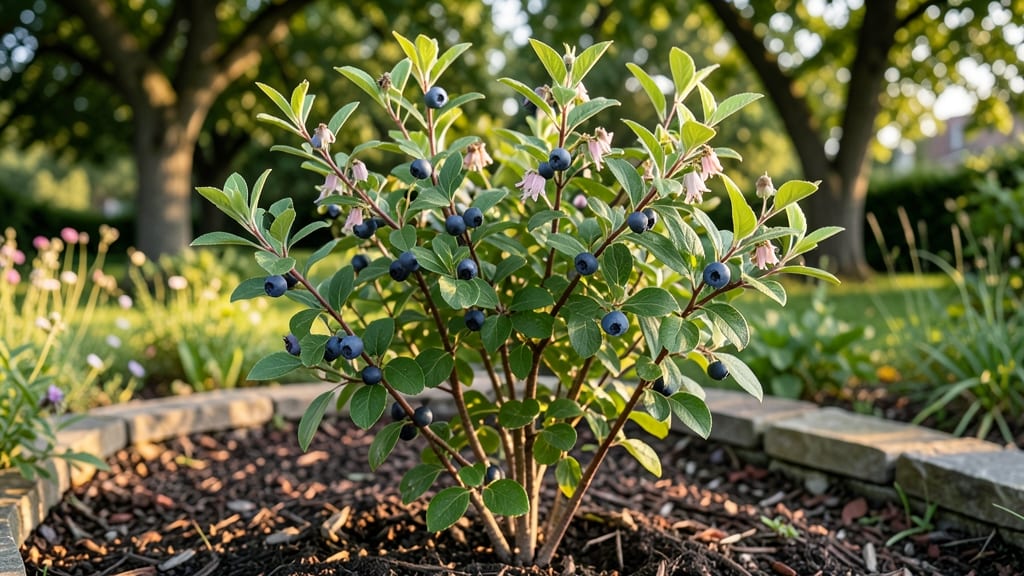
Blueberry bushes produce fruit every year once established, but the first harvest usually arrives in their third year—and knowing this timeline can save you from years of waiting.
Picture this: You’ve spent months tending to your 🫐 blueberry bush, only to stare at empty branches in its second year. That’s normal—most varieties need two growing seasons to build enough energy for fruit.
But here’s the secret: proper care in those early years can shift that timeline forward by a full year.
Beyond age, soil pH, sunlight, and pruning play huge roles in how often your bush fruits. A well-maintained plant in zone 6a can yield berries annually, while neglected ones might skip years—or worse, never produce.
The good news? With the right techniques, you can turn that "waiting game" into a reliable harvest every June through August.
In this guide, I’ll break down the exact fruiting cycle—from that first hesitant bloom to peak production—plus the 3 key fixes that jumpstart yields. Ready to turn patience into pounds of berries?
Blueberry bush fruit production timeline: first, second, and mature year harvest expectations
Blueberry bushes follow a predictable fruiting cycle, but many gardeners rush to expect fruit too soon. The first year after planting is all about root and stem growth, with zero fruit production.
This isn't a failure—it's biology! Understanding this timeline helps you set realistic expectations and provides the right care at each stage.
Your blueberry bush will begin producing small clusters of berries in its second year, but yields will be modest. Full production typically kicks in by year three to five, depending on the variety and growing conditions.
Southern climates may see earlier fruiting, while northern zones might delay production by a year or more.
| Stage | Fruit Production | Plant Height | Key Care Focus |
|---|---|---|---|
| Year 1 | None | 1-2 ft | Root establishment, watering, mulching |
| Year 2 | Minimal (1-2 lbs) | 3-4 ft | Pruning, light fertilization, pest control |
| Years 3-5 | Moderate (5-10 lbs) | 5-6 ft | Regular pruning, soil testing, consistent watering |
| Mature (6+ years) | Peak (10-20+ lbs) | 6-12 ft | Renewal pruning, organic matter, disease prevention |
Southern highbush varieties (Vaccinium corymbosum) often produce fruit in their second year, while rabbiteye (Vaccinium ashei) and lowbush (Vaccinium angustifolium) types may take 3-4 years to reach full production. Climate plays a huge role—warmer zones like USDA zones 7-9 see earlier fruiting, while colder zones (zones 3-6) may delay production by a year or more.
During the first year, focus on establishing a strong root system by providing 1-2 inches of water weekly and maintaining acidic soil (pH 4.5-5.5).
Avoid fertilizing heavily—this encourages leaf growth at the expense of root development. Mulch heavily with pine needles or peat moss to conserve moisture and acidify the soil naturally.
Your second-year bush will produce small clusters of berries, but yields will be sparse (1-2 pounds total). This is normal! Prune aggressively in late winter to remove dead or weak wood and open the canopy for better airflow.
Apply a balanced fertilizer (10-10-10) in early spring to support the plant's energy demands for both growth and fruiting.
By years three to five, your blueberry bush enters its peak production window, yielding 5-10 pounds annually under ideal conditions.
This is when you'll see the most dramatic difference based on your care routine. Prune annually to remove old canes (over 5 years) and encourage new growth. Test soil pH every spring—blueberries are extremely sensitive to alkaline soil, which can stunt fruit production.
Mature bushes (6+ years old) can produce 10-20+ pounds of berries per season if well-maintained. However, production naturally declines after 15-20 years.
To extend your bush's productive life, practice renewal pruning every 3-5 years, removing older canes at the base to stimulate new growth. Thin fruit clusters in early summer to improve berry size and reduce disease pressure.
One common misconception is that blueberry bushes produce fruit every other year. While some varieties may show alternate-year bearing, most modern cultivars produce fruit annually once established. Over-fertilizing with nitrogen can actually reduce fruiting by encouraging excessive
Why your blueberry bush might not produce fruit—and how to fix it
Blueberry bushes are famously patient—often waiting 2 to 3 years before producing their first meaningful harvest. If your bush is past that window but still bare, don’t panic.
The issue likely stems from one of four common pitfalls: immature age, poor pruning practices, inadequate sunlight, or soil pH imbalances. Each of these factors can stall flowering and fruiting, even in healthy-looking plants.
First, let’s address the elephant in the garden: age matters more than you think. Most blueberry varieties need 3 to 5 years to reach peak production. If your bush is younger than 3 years, it’s likely still focusing on root and stem growth rather than fruiting.
Patience is key—think of it as investing in a long-term crop, not a quick harvest. Even mature bushes can take 1 to 2 years to recover after major pruning or transplanting.
⚠️ callout-warning
🌱 How Often Do Blueberry Bushes Produce Fruit?
Year 1-2: Rarely any fruit (focus on root/foliage growth). Year 3-4: Light harvest (1-2 lbs per bush). Year 5+: Peak production (5-10 lbs annually). Note: Southern-highbush varieties may fruit earlier (Year 2-3), while northern-highbush types take longer.
Pro Tip: If your bush is 4+ years old and still not fruiting, check for pruning mistakes or soil acidity first.
Next, let’s talk pruning mistakes, which are the #1 culprit for stalled fruit production. Over-pruning—especially in late winter or early spring—can remove next year’s flower buds before they form.
Always prune after harvest (late summer/early fall) to preserve fruitwood (older stems that bear fruit) while removing water sprouts (vigorous but non-fruiting growth). Aim to keep 50-70% of last year’s stems intact to ensure flowering.
Another sneaky thief of blueberry productivity is insufficient sunlight. These shrubs crave 6+ hours of direct sun daily, and even partial shade can reduce flowering by 30-50%.
If your bush is in a shady spot, consider relocating it to a sunnier area or pruning nearby trees/shrubs to improve light exposure. Yellowing leaves or sparse foliage are classic signs of light deprivation—address this quickly to revive fruiting potential.
Finally, soil pH is the silent saboteur of blueberry harvests. These plants thrive in acidic soil (pH 4.5-5.5), and even a slight shift toward neutral (pH 7) can halt flowering.
Test your soil’s pH using a home test kit or send a sample to your local Cooperative Extension Service. If the pH is too high, amend the soil with elemental sulfur or peat moss in early spring or fall.
Aim for a gradual adjustment—adding 1 lb of sulfur per 100 sq ft can lower pH by 1 point over 2-3 months.
To troubleshoot your specific issue, grab a notebook and check off these diagnostic steps: ☑️ Is your bush 3+ years old?
(If not, wait and nurture.) ☑️ Does it receive full sun (6+ hours) daily? ☑️ Have you pruned after harvest in the last year? ☑️ Is your soil pH between 4.5-5.5? If any of these are missing, prioritize fixing them this season.
With the right care, even a struggling bush can rebound and deliver bountiful harvests within 1-2 years.