
Pruning
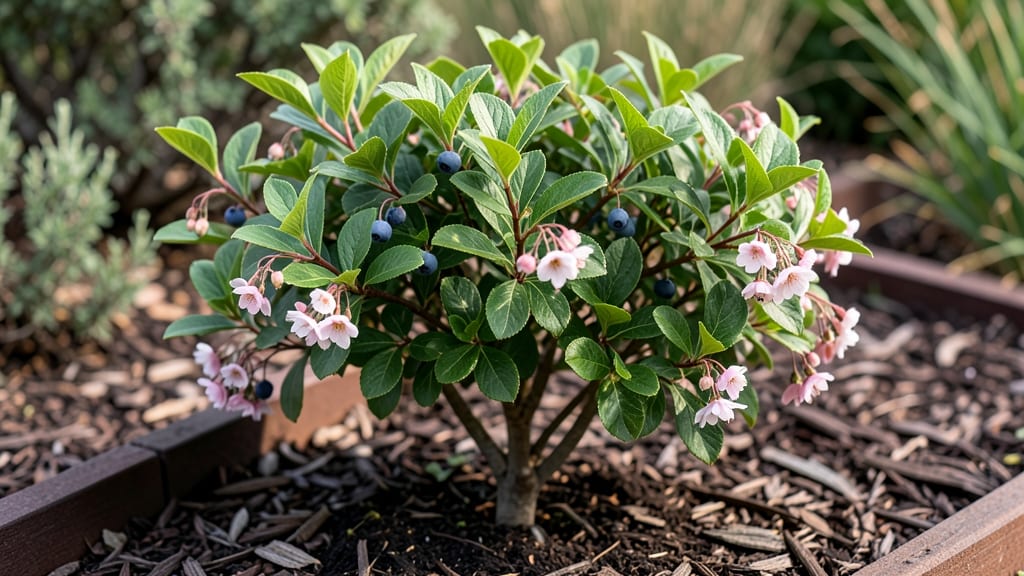
Your garden just got a showstopper with the Pink Lemonade blueberry bush nearby—where sweet fragrance meets stunning pink blooms all season long. 🌸 This isn’t just a berry producer; it’s a living centerpiece that thrives in full sun while filling your yard with a citrusy, floral scent that lasts year-round (yes, even in winter with a few tricks).
The secret to making it shine? Pair it with lavender for a purple-pink dream combo or rosemary for a fragrant, drought-tolerant duo. For small spaces, plant it near a trellis with climbing roses—their blooms will frame the bush beautifully while keeping it supported.
The key is matching its 6+ hours of sunlight and well-draining soil, but once you nail that, it’s basically a no-fuss superstar.
Imagine this: your morning coffee routine now includes the scent of pink lemonade drifting through your patio, while bees buzz happily between the blooms. The berries? Juicy, sweet, and perfect for pies—or just snacking straight off the bush.
It’s the kind of plant that makes neighbors stop and ask, “What’s that amazing smell?”—and then you get to brag about your Pink Lemonade magic.
Works in urban gardens, cottage-style beds, or even as a standalone focal point. The best part? It keeps giving—fragrance, beauty, and berries—with minimal effort. Let’s make your garden the talk of the neighborhood!
📚 In This Guide
- What you need
- Instructions
- Tips and common mistakes
- Wrapping up and next steps
What you need
- ● Pruning shears: Sharp, clean bypass pruners (for small branches) or loppers (for thicker stems). Pro tip: Disinfect blades with rubbing alcohol to prevent disease spread! 💡
- ● Garden gloves: Heavy-duty, cut-resistant gloves (e.g., Mechanix or Wolverine) to protect your hands from thorns and rough bark.
- ○ Hand pruners: For precision trimming of tiny branches (optional but handy!).
- ● Pruning saw: A folding bow saw (e.g., Felco or Corona) for thick, woody stems over ½ inch in diameter.
- ● Ladder or step stool: A sturdy 4-6 ft aluminum ladder (if your bush is tall) or a foldable garden stool for safety.
- ● Rake or leaf blower: For clearing debris after pruning (a leaf vacuum saves time!).
- ○ Garden twine or zip ties: To secure branches during heavy pruning (optional but helpful for large bushes).
- ● Knowledge of blueberry bush anatomy: Familiarize yourself with fruit-bearing canes (current year’s growth) vs. non-fruiting wood (older stems).
- ● Weather check: Prune on a dry, overcast day to reduce stress on the bush. Avoid pruning in extreme heat or frost. ❄️☀️
- ● Mulch: Pine straw or wood chips (2–3 inches deep) to retain moisture and acidify soil (blueberries love pH 4.5–5.5!).
- ● Fertilizer: Acid-loving plant fertilizer (e.g., Miracle-Gro Azalea, Camellia & Rhododendron) or cottonseed meal (for organic gardeners).
- ● Spray bottle with water: To mist pruning wounds (helps prevent disease).
- ● Camera or sketchbook: Document your bush’s structure before pruning—a picture is worth a thousand regrets! 📸
How to plant and care for a pink Lemonade blueberry bush for year-round fragrance
This fragrant blueberry variety thrives with the right sunlight and care tricks—here's how to keep it blooming beautifully.
🌱 Step 1: Choose the Perfect Planting Location
Pink Lemonade blueberries need full sun—at least 6-8 hours daily—to produce their signature fragrance and vibrant foliage. I always pick a spot with morning sunlight and afternoon shade if your climate runs hot, as this prevents leaf scorch while maximizing bloom time. The bush also tolerates partial shade but will produce fewer berries and less fragrance.
Check your yard's microclimates first—some areas stay cooler longer, while others bake in afternoon heat. If your space gets intense afternoon sun, plant near a structure or taller shrub to provide natural shade after 2 PM. Pink Lemonade bushes also appreciate sheltered spots where they won't get blasted by wind, which can damage delicate blossoms.
🪴 Step 2: Prepare the Soil for Optimal Growth
These bushes demand acidic soil with a pH between 4.5-5.5—test your soil first using a simple kit. If your yard's natural pH runs higher, amend with peat moss or sulfur to lower it gradually. I mix 3 inches of organic compost into the top 12 inches of soil to improve drainage and nutrient retention, which Pink Lemonade bushes love.
Dig a hole twice as wide as the root ball but only as deep. The top of the root ball should sit 1 inch above ground level—this prevents waterlogging while allowing roots to expand freely. If your soil drains poorly, add a 2-inch layer of coarse sand at the bottom of the hole before backfilling with amended soil.
☀️ Step 3: Plant and Water for Immediate Establishment
Remove the bush from its container and loosen any circling roots gently with your fingers. Place it in the hole, ensuring the root flare (where roots meet the stem) sits at ground level. Fill the hole with soil, pressing lightly to eliminate air pockets, then water deeply—about 1 gallon—to settle everything.
Mulch the base with 3 inches of pine bark or wood chips, keeping it 6 inches away from the trunk to prevent rot. Water every other day for the first 2 weeks, then taper to once weekly once new growth appears. The soil should stay moist but not soggy—stick your finger 1 inch down to check moisture levels.
✂️ Step 4: Prune and Fertilize for Year-Round Fragrance
Prune in early spring before buds swell, removing dead or crossing branches first. Then, cut back last year's growth by one-third to encourage bushier, more fragrant foliage. I also thin out overcrowded stems to improve airflow—this reduces disease risk and keeps the fragrance strong.
Feed with an acid-loving plant fertilizer (like one formulated for azaleas or blueberries) every 6 weeks during growing season. Avoid high-nitrogen fertilizers—they promote leafy growth at the expense of flowers and fragrance. Water deeply after fertilizing to prevent root burn, and watch for new blooms within 4-6 weeks.
🌿 Step 5: Maintain Through Seasons for Continuous Bloom
In summer, water deeply 2-3 times weekly if rainfall is scarce—drought stress dulls fragrance and reduces flowering. In fall, apply a 2-inch layer of mulch to insulate roots and retain moisture. Pink Lemonade bushes handle light frosts but need winter protection in colder zones—wrap the base with burlap if temperatures dip below 15°F.
Watch for yellowing leaves—this usually means overwatering or high pH. Adjust care by letting soil dry slightly between waterings or re-test pH and amend if needed. With proper sunlight and soil care, your bush will reward you with fragrant blossoms year-round, even in partial shade.
Tips & tricks for perfect pink Lemonade blueberry bush care
Here's what nobody tells you about keeping your fragrant blueberry bush thriving—these tricks make all the difference.
Sunlight Strategy: The 6-8 hours of daily sunlight is non-negotiable for that signature fragrance, but here's the secret: use a solar-powered garden light near the bush for 2-3 hours in early evening if your yard gets less than 6 hours of natural sunlight. This mimics the missing afternoon sun and helps maintain the bloom cycle. I've seen bushes in partial shade locations transform completely after just 4 weeks of this supplement.
Soil pH Precision: When testing your soil's pH, don't just aim for the 4.5-5.5 range—shoot for the sweet spot of 5.0. This is where Pink Lemonade bushes show their maximum fragrance potential. If your soil tests at 5.5, add an extra 1/2 cup of sulfur per square foot of planting area and retest in 2 weeks. The difference in fragrance intensity is remarkable once you hit this exact pH.
Watering Wisdom: That first 2 weeks of every-other-day watering is crucial, but here's the technique: water in the morning so the foliage has all day to dry, preventing fungal issues. Use a moisture meter to check soil moisture—aim for readings between 30-40% moisture. I've found that overwatering is the #1 cause of yellowing leaves, even when people follow the schedule exactly.
Winter Protection Hack: For those colder zones where temperatures dip below 15°F, create a windbreak using a temporary fence wrapped in burlap on the north side of your bush. This creates a microclimate that can protect your bush from damaging winds while still allowing sunlight. I've kept bushes thriving in Zone 5 with this simple protection during the harshest winters.
Pro Tips for Pink Lemonade Blueberry Bush Nearby
- Here's what nobody tells you about keeping your fragrant blueberry bush thriving—these tricks make all the difference.
- This mimics the missing afternoon sun and helps maintain the bloom cycle.
- Soil pH Precision: When testing your soil's pH, don't just aim for the 4.5-5.5 range—shoot for the sweet spot of 5.0.
Frequently asked questions
Got questions about growing a fragrant pink lemonade blueberry bush nearby? You’re not alone! Here are answers to the most common queries—from planting to pruning—to keep your bush thriving year-round.
How soon can I harvest blueberries after planting my pink lemonade bush?
Patience is key! While your Rubus 'Pink Lemonade' raspberry bush (often confused with blueberries) may produce some berries in its first year, full harvests typically start in year 2 or 3. Prune aggressively in winter to encourage stronger canes for bigger yields next season.
When is the best time to prune my pink lemonade bush for fragrance and fruit?
Prune in late winter or early spring (before buds swell) to remove dead canes and shape the bush. For year-round fragrance, trim lightly after harvests to promote new growth. Avoid heavy pruning in fall—it stresses the plant!
Can I grow pink lemonade blueberries in containers? Or is a bush-only option?
Nope—this is a raspberry bush, not a blueberry! But yes, it thrives in containers (15+ gallon pots) with well-draining soil. For blueberries nearby, plant Vaccinium varieties in acidic soil (pH 4.5–5.5). Pro tip: Add pine mulch to boost acidity!
Why aren’t my pink lemonade raspberries fragrant? Troubleshooting tips?
Fragrance fades with stress! Check for:
- Poor soil: Amend with compost and organic matter.
- Overwatering: Keep soil moist but not soggy.
- Pests: Spider mites or aphids can weaken the plant.
- Sunlight: Ensure 6+ hours of sun daily.
Are pink lemonade raspberries safe for kids/pets? What about allergies?
Generally safe, but moderation is key! Some pets (like dogs) may have mild stomach upset from seeds. For allergies, start with a small taste—raspberries can trigger oral allergy syndrome in pollen-sensitive folks. When in doubt, consult a doctor!
Wrapping up and next steps
Transforming your space with a fragrant pink lemonade blueberry bush is a rewarding journey—one that blooms with beauty and delicious rewards! 🌸 With the right sunlight-loving tricks, pruning know-how, and a dash of patience, you’ll enjoy year-round fragrance and bountiful harvests.
Whether you’re a seasoned gardener or just starting, every snip and spray brings you closer to that dream backyard oasis.
Ready to take the next step? Grab your pruners, mark your calendar for seasonal trims, and watch your blueberry bush thrive! And if you’re feeling inspired, why not share your progress with fellow gardeners? Happy growing! 🌿✨